




Hiring Hacks: 7 ATS integrations to streamline your hiring process
- Home >
- Workstream Blog >
- Hiring Hac...

Get the latest with Workstream
Always stay current with hiring news by subscribing to our email updates
Unlocking the full potential of your hiring process requires strategically integrating essential tools that enhance efficiency, compliance, and the applicant experience. In today's fast-paced business landscape, where every hire counts, leveraging technology to its fullest is paramount.
Let’s explore the transformative impact of integrating key functionalities into your applicant tracking system (ATS). From seamless background checks to automated onboarding, from mobile recruiting to dynamic video interviews, we'll delve into the power of these integrations and equip your organization with the tools it needs to thrive in the competitive world of hourly recruitment.
1. Background checks
Background checks help you make informed decisions and maintain a secure work environment. By integrating background check services directly into your ATS, you can offer peace of mind to management and customers alike.
An ATS integration with a reputable background check provider like Checkr can significantly boost efficiency. It allows managers to track the progress of background checks and view results transparently. Moreover, by integrating these tools into your hiring process, you reduce the risk of human error and enhance data security, ensuring sensitive applicant information is handled with the utmost confidentiality.
2. E-Verify
For employers in the United States, verifying employee eligibility to work is a legal requirement. E-Verify is a government program that helps employers confirm the work eligibility of new hires. Integrating E-Verify into your ATS simplifies this process and ensures compliance with state regulations.
E-Verify provides a legal framework for confirming employment eligibility and helps maintain a legal workforce, which is crucial for businesses. 98.3% of work-authorized employees are confirmed immediately or within 24 hours through E-Verify. This swift verification process helps expedite the onboarding of eligible new hires, reducing delays and eliminating potential compliance issues.
Look for an ATS that acts as an E-Verify Employer Agent, enabling the system to submit new hire verification on your behalf. You can seamlessly complete the necessary steps without leaving your ATS platform by incorporating E-Verify into your onboarding process.
3. WOTC
The Work Opportunity Tax Credit (WOTC) is a valuable tax credit offered by the US government to employers who hire individuals from target groups, such as veterans or those with previous involvement in the criminal justice system. Despite the potential benefits, many companies miss out on claiming WOTC due to the cumbersome paperwork involved.
According to a US Department of Labor report, approximately 20% of new hires are eligible for WOTC, making it a valuable opportunity for businesses to save on their tax expenses. However, manually completing the required paperwork can be time-consuming and error-prone. An ATS integration with WOTC.com can be a game-changer, as it automates the entire process, ensuring you don't miss out on eligible tax credits.
By using an integrated ATS and WOTC platform, you not only save time but also improve the accuracy of the information submitted. The ATS can automatically identify eligible candidates based on specific criteria, streamlining the process and maximizing your chances of claiming the tax credit.
4. Payroll
Smoother payroll processes mean less time spent on administrative tasks and more focus on strategic HR initiatives. If you're still manually entering worker information from your ATS into your payroll provider, it's time to give your keyboard a break.
Manual data entry increases the risk of errors and consumes valuable time that HR professionals could otherwise dedicate to improving the worker experience.
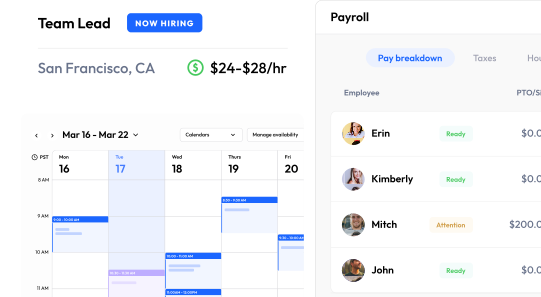
Integrating your ATS with your payroll system streamlines the flow of data, eliminating the need for duplicate entries and reducing the risk of errors. This integration ensures that employee information, including hours worked and compensation, seamlessly transfers from your ATS to payroll, saving time and effort for HR professionals.
5. Onboarding automation
The onboarding process sets the tone for a new hire's experience and significantly impacts their long-term engagement with the company. By integrating onboarding automation tools into your ATS, you can create a seamless and personalized onboarding journey for new hourly employees.
With the help of an integrated ATS, you can automate essential onboarding tasks, such as collecting tax forms, signing company policies, and setting up training modules. This streamlined process saves time and ensures that new employees feel welcomed and supported from day one, leading to higher retention rates and increased productivity.
6. Mobile recruiting
A mobile-friendly ATS allows you to reach a broader pool of applicants who prefer to search for jobs and apply on their smartphones or tablets.
According to a report by Glassdoor, 58% of job seekers use mobile devices to search for jobs at least once daily. Furthermore, 35% of applicants have applied for a job directly from their mobile devices. Integrating mobile recruiting into your ATS allows you to tap into this mobile-savvy applicant pool and provide a user-friendly application process, enhancing the overall candidate experience.
Recruiters can also review applications, schedule interviews, and communicate with applicants on the go, improving efficiency and responsiveness.
7. Video interviewing
Incorporating video interviewing tools into your ATS can revolutionize how you conduct initial applicant assessments. Video interviews provide a more dynamic and personal touch to the hiring process, allowing you to gauge an applicant’s communication skills, body language, and cultural fit.
ATS integrations with video interviewing platforms enable recruiters to easily schedule, conduct, and review video interviews within the same system. This saves time and allows for better collaboration among hiring teams, leading to more informed hiring decisions.
Bring your HR tools together for a streamlined HR experience
Investing in these must-have hourly ATS integrations can significantly improve your recruiting process, making it more efficient, compliant, and applicant-friendly. By consolidating essential HR functions within a single platform, you can streamline operations, reduce manual tasks, and focus on what truly matters: finding the best hourly employees to help your business thrive.