



How to set up online ordering for your restaurant
- Home >
- Workstream Blog >
- How to set...

FREE RESOURCES
Join 30,000+ operators staying ahead on restaurant hiring, payroll, and compliance.
Get the latest with Workstream
Always stay current with hiring news by subscribing to our email updates
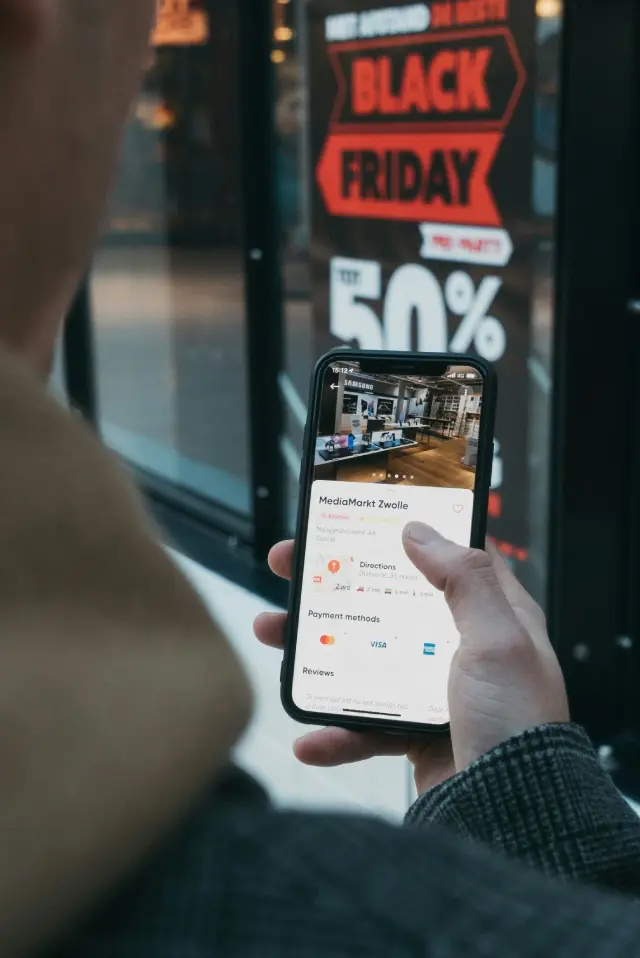
If you're a restaurant owner or manager, then you know how important it is to stay ahead of the curve. And due to how much the ongoing pandemic has changed where and how people eat, online ordering is essential for any restaurant that wants to survive.
But what’s the best way to do it? Should you put all your faith in third-party delivery apps like GrubHub and DoorDash? Or is it best to set up an in-house online ordering system for your restaurant?
In this blog post, we’ll help you answer those questions by looking at:
- Some recent survey data showing the importance of online ordering for restaurants in 2022
- What things to consider before setting up your ordering system
- How to set up an online ordering system for your restaurant (without relying exclusively on third-party delivery services)
- 5 qualities of the best online ordering systems for restaurants
Why is online ordering important for restaurants?
There are many reasons why online ordering is important for restaurants. Let’s look at a few stats that demonstrate what we mean.
- Great way to reach more customers. In a 2021 survey, 53% of consumers consider takeout and delivery to be essential to their way of life. (National Restaurant Association)
- Preferred way for customers to place orders. 67% of consumers prefer using a restaurant’s website or app for food delivery instead of third-party apps. (Square)
- Online orders tend to increase sales. Restaurants have reported that online orders are 20% larger than orders placed over the phone. (ChowNow)
And, although there currently isn’t data to support it, we’re sure you can imagine a few other benefits of online ordering.
For example, it can help increase customer loyalty since customers can create accounts with your restaurant's online ordering system. This allows them to save their favorite orders and track past orders. Additionally, online ordering systems frees up time that your staff would otherwise spend taking orders in person or over the phone.
Those benefits sound great, right? Well, before you decide to get started with taking online orders, start by making sure you’ve thought everything through.
Factors to consider before setting up an online ordering system for your restaurant
Before setting up an online ordering system, make sure you’ve considered the following things so that you do it in a way that best benefits your restaurant and your customers.
Third party-app delivery or in-house delivery
Can customers place orders directly on your restaurant’s website? Or will they have to go through a third-party delivery service app? There are pros and cons to each option.
Some of the key benefits of using a third-party delivery service app like GrubHub include that they're often easier for customers to use and they take care of payment processing for you. But that also means that you get less control over the customer experience and keep less profit.
That being said, if your restaurant’s website or app isn't designed to handle online orders or isn’t user-friendly, customers may get frustrated and leave your site without ordering. In that case, you're better off leaving it to the apps and taking a look at this post on third-party delivery service apps instead!
Online ordering software
If you decide you want to process orders on your restaurant’s website, then you need to decide which software you want to use. There are many different types of online ordering software available, so it's important to find one that fits the needs of your business.
If you need help deciding, check out this post from Bentobox on 8 of the best online ordering systems for restaurants.
Customer details
One of the advantages of having an online ordering system is that it makes it easy to collect customer data. And you can use that data to support your restaurant marketing and branding.
So, decide how much information you want customers to share before they place an order. Do you want them to create an account? Will they need to enter their contact information each time? Do you want them to sign up for a loyalty program?
Delivery charges
Another thing you'll need to decide is how much you're going to charge for delivery. Many restaurants offer free delivery for orders over a certain amount. But you'll need to make sure that the amount is high enough that it's worth it for you and your customers.
How to set up an online ordering system for your restaurant
Online ordering is a great way for you to increase your restaurant’s sales and improve customer satisfaction. And by following these steps, you can set up your own online ordering system and start benefiting from all of the advantages that it has to offer.
Step 1 - Choose your software
As we mentioned in the previous section, there are many online ordering software for you to choose from. Take some time to go through the features of each one to find the one that best suits your needs. Ideally, you’ll choose one that has all of the features we share in the next section of this blog post.
Step 2 - Set up your menu
Next, you’ll need to upload your menu onto your ordering system. But, before you do, you need to consider whether you’d like to include all of your menu items or a select few.
For example, you may decide to exclude menu items that are difficult to package well into your delivery containers. For the menu items you do list, be sure to also add pictures and any additional information that you think could be of interest to your customers.
Step 3 - Add an online ordering button to your website
Make sure customers know where and how to make online orders whenever they visit your website. To do that, place a button that says something like “Order Now” at the top of your website.
If you’re unsure of how to add this feature to your site, then you may need to consult with a web developer. Also, test out the ordering system yourself before launching to make sure everything works smoothly.
Step 4 - Promote your new online ordering system
Adding a button to your website isn’t enough. You have to let customers know about your new online ordering platform wherever you can. Promote it on your in-house menus, social media pages, email signatures, flyers and any other marketing materials.
5 qualities of the best online ordering systems for restaurants
When researching the software options for your online ordering system, we recommend choosing one that has the following qualities.
User-friendly interface
You want an online ordering system that is easy for your customers to navigate. The layout should be straightforward, with clear buttons and labels. Your customers should be able to find what they are looking for quickly and easily.
Customizable menus
Your menu should be customizable so that you can showcase your best dishes and drinks. You should also be able to tailor the menu for different occasions, like Happy Hour and festive holiday menus.
Integrated payment system
Your online ordering system should have an integrated payment system so that customers can pay for their orders with ease. This will avoid any confusion at checkout and make the process smoother for your customers.
Order tracking and history
You want an online ordering system that allows you to track orders and view past transactions. This will help you keep tabs on what items are popular with your customers.
POS integration
You also want to choose an online ordering system that integrates into the Point-of-Sales system you’re already using. This will make managing orders and becoming proficient in the new software easy for you and your staff.
Final thoughts
Online ordering systems are becoming more popular every day, so your restaurant should offer this service if you want to stay competitive. By following the key considerations and steps we’ve shared in this post, you can create an online ordering system that works best for your business!
And if you want more tips on how to improve your restaurant, check out the rest of our blog where we discuss topics like how to start a ghost kitchen in 2022!