



THE HOURLY WAGE INDEX
How much should you pay your hourly workers?
The wage wars rage on. With 3.5 million open hourly jobs in the U.S., employers are competing more than ever to attract applicants—and how much you're willing to pay could be your advantage.
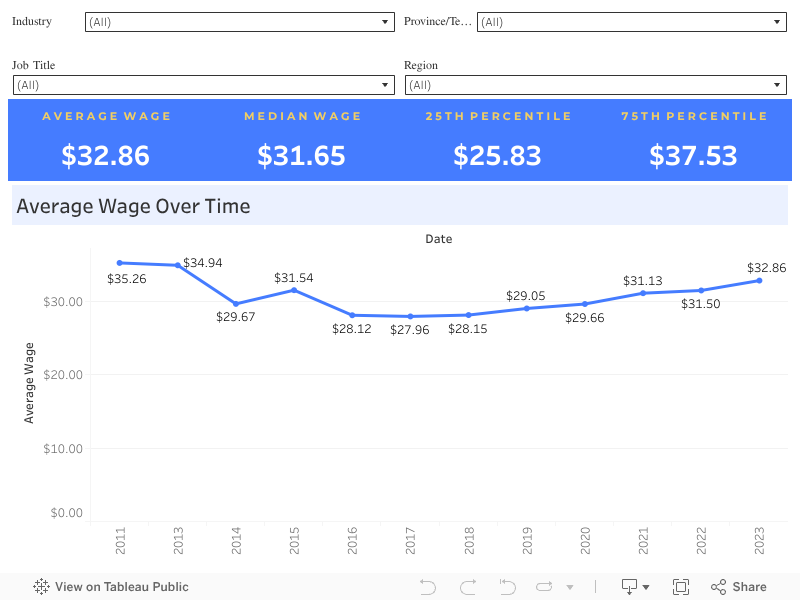
Discover how your pay practices stack up against other regions, positions, and industries.
Learn about wages and labor laws in your state
- Alabama
- Alaska
- Arizona
- Arkansas
- California
- Colorado
- Connecticut
- Delaware
- Florida
- Georgia
- Hawaii
- Idaho
- Illinois
- Indiana
- Iowa
- Kansas
- Kentucky
- Louisiana
- Maine
- Maryland
- Massachusetts
- Michigan
- Minnesota
- Mississippi
- Missouri
- Montana
- Nebraska
- Nevada
- New Hampshire
- New Jersey
- New Mexico
- New York
- North Carolina
- North Dakota
- Ohio
- Oklahoma
- Oregon
- Pennsylvania
- Rhode Island
- South Carolina
- South Dakota
- Tennessee
- Texas
- Utah
- Vermont
- Virginia
- Washington
- West Virginia
- Wisconsin
- Wyoming

Wages aren’t everything!
While pay is one of the main factors that hourly employees consider when choosing to join (or stay at) a company, it’s not the end all be all. Research shows that advancement opportunities, supportive management, and schedule flexibility are all incredibly important as well.
Want to learn more about this trend? We dive deep into the data behind which perks and benefits matter most to hourly workers. Check out our full conversation with expert Sara Wasserteil of Cara Collective.
What is the difference between gross wages and net wages?
It's important to remember that the Hourly Wage Index data above reflects gross wages, or the amount of money an employee earns before accounting for payroll deductions like taxes, benefits, or wage garnishments. Due to variability in tax rates across locations, slightly lower gross wages in a certain location might result in higher take home pay, or vice versa.
What is a good hourly wage?
It's important to remember that the Hourly Wage Index data above reflects gross wages, or the amount of money an employee earns before accounting for payroll deductions like taxes, benefits, or wage garnishments. Due to variability in tax rates across locations, slightly lower gross wages in a certain location might result in higher take home pay, or vice versa.
Offering competitive pay is one of my top priorities—what other resources do you have that might help?
It's important to remember that the Hourly Wage Index data above reflects gross wages, or the amount of money an employee earns before accounting for payroll deductions like taxes, benefits, or wage garnishments. Due to variability in tax rates across locations, slightly lower gross wages in a certain location might result in higher take home pay, or vice versa.
Still have questions?
Learn more about paying, hiring, and retaining the hourly workforce
We're here to help!
A Workstream hiring specialist can help you identify high impact ways to improve your applicant experience, and even help you determine what is a good hourly wage for your location and business.
