




No one can deny the immense scale at which the coronavirus impacted businesses worldwide. In the US alone, more than 3.28 million Americans filed for unemployment benefits, with many seeing their savings entirely wiped out over the short time frame of a few months.
As consumers became increasingly wary, the restaurant industry was not spared from the ill effects of the pandemic. Over 110,000 restaurants were predicted to have permanently closed. Additionally, full-service restaurants, which were hit the hardest, saw a decrease in order by 71% in the March of 2020. Even though many resumed operations, their transactions were still down by as much as 42%. The QSR industry (quick service restaurant industry), however, didn't experience quite as dramatic as an impact.

What is a quick-service restaurants? The QSR industry is comprised of many well-known restaurants, including McDonalds, Subway, Burger King, and more. And during the pandemic, the QSR industry was the only restaurant type that moved into positive sales territory was the world was engulfed by the crisis.
How exactly was the QSR industry able to flourish even in such turbulent times? Let’s dig deeper.
Hiring Trends in the QSR Industry
What is a quick-service restaurants? The QSR industry is comprised of many well-known restaurants, including McDonalds, Subway, Burger King, and more. And during the pandemic, the QSR industry was the only restaurant type that moved into positive sales territory was the world was engulfed by the crisis.
How exactly was the QSR industry able to flourish even in such turbulent times? Let’s dig deeper.
What is QSR in the Industry?
As we briefly mentioned above, QSR stands for Quick Service Restaurant, a term that broadly describes a particular segment of the restaurant market that specializes in fast food. Unlike full-service or table service establishments, QSRs offer a limited menu of food items that are quickly prepared and served.
Popular restaurant chains like McDonald's, Wendy's, and Dunkin are prime examples of QSRs in America. The QSR market has seen considerable growth over the years, with a Compounded Annual Growth Rate (CAGR) that points to its resilience and adaptability, even amidst challenges like the COVID-19 pandemic.
QSRs heavily utilize technology to improve customer experience. From point-of-sale systems to self-service kiosks and mobile apps, the industry has embraced digitalization to meet consumer demands. Market size, customer loyalty, and partnerships with third-party providers like delivery services are all crucial aspects that contribute to the success of a QSR business.
What is the Difference Between Fast Food and QSR?
While the terms "fast food" and "Quick Service Restaurant (QSR)" are often used interchangeably, there are subtle differences between them. Fast-food restaurants, a subset of the QSR industry, generally serve a limited menu of high-turnover food items at a low price. Think of classics like the Big Mac at McDonald’s or the Frosty at Wendy’s. On the other hand, fast-casual restaurants like Chipotle also fall under the QSR umbrella but offer more menu options and slightly better customer experience in terms of food quality and atmosphere.
In America, the fast food industry is virtually synonymous with the QSR market, but the QSR experience can differ greatly depending on the restaurant chains involved. For example, fast-casual restaurants might have loyalty programs, partnerships with local food service providers, and a wider range of menu items, thus offering a different kind of QSR experience. Dunkin focuses on coffee and breakfast items, while Mexican chains like Taco Bell offer different menu options altogether.
In summary, the QSR experience varies significantly across fast-food and fast-casual restaurants, each catering to distinct consumer preferences. Whether it's Dunkin's coffee focus or Taco Bell's unique Mexican offerings, diversity within the QSR market keeps dining fresh and exciting.
Hiring Trends in the QSR Industry
Despite unemployment across the nation, the quick service restaurant industry bucked the trend and continuously staffed up as on-premise dining resumed. Moreover, some expanded their drive-thru outlets to meet increasing demand, and more personnel were required to man their additional drive-thru booths. The industry not only thrived, but it also generated jobs for people throughout an unprecedented time.
According to DailyPay, the QSR industry saw a 28% increase in hiring from May 11 to June 14 alone. To draw a clearer picture, employment in the sector rose by 1.4 million in the month of May, making up half of the increase in US employment. It is clear that the QSR industry still grew despite the setbacks from the pandemic.
As we gradually moved back to pre-crisis conditions, the need to hire more people promptly continued to be vital in keeping restaurants running. At Workstream, we helped over 5000 hiring managers rehire during this reopening phase. Drop us a message here to find out how you can optimize your hiring, so you can focus on growing your business.
Changing Consumer Taste and Preferences
The pandemic caused the public to be more cautious of where they spent their time outside, in a bid to prevent getting infected by the coronavirus. Even as restaurants reopened, it took a while for in-restaurant dining to reach pre-pandemic levels. As such, much of the public still preferred purchasing foods that were quickly prepared for takeout than to eat in a fine dining restaurant. The coronavirus brought upon us a new normal, and getting our food fast, is among that normal.
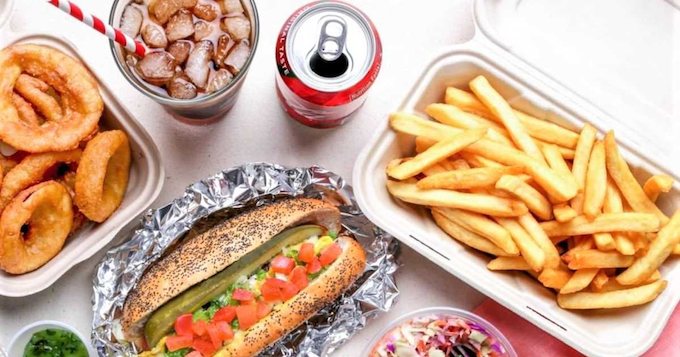
The pandemic also caused consumers to turn towards comfort food to uplift their spirits. Many now prefer foods that can provide a nostalgic appeal. And how did QSRs help them achieve such sentiment? Well, by serving the crowd’s favorites , of course!
That was exactly what local restaurants in the major cities had done, and their business was able to thrive despite the pandemic, even with the new dine-in regulations. In turn, their takeout services escalated massively since that’s the only alternative way their customers could satisfy their cravings. In fact, the earnings from their takeout services were able to offset the loss they had incurred from the lack of dine-in customers. For Comal Next Door, a burrito shop located in Berkeley, their business was flourishing so well during the pandemic that they were able to open a new section location in Oakland.
It is, however, important to note that comfort foods are unique to your community. So, remember to use a data-driven approach in deciding what your consumers’ favorites are before pushing them out during such a crisis!
The Rise of Drive-Thrus
The ability of QSRs to thrive despite the pandemic was also in part due to their symbolic drive-thrus. Since contactless services were encouraged to prevent mass infections of the coronavirus, the use of drive-thrus was as timely as ever. According to a report by the NPD Group, drive-thru visits increased by 26% in April, May, and June 2020 quarters, and made up 42% of all restaurant visits in the US.
McDonald’s themselves reported that 90% of their US sales were from their drive-thru lanes and their outlets which included a drive-thru tend to pick up faster than others. Of course, they were not the only ones benefiting from this feature - fast-food chains Chipotle and Taco Bell also saw a surge in customers served through their drive-thru lanes. Aside from the fact that it attracted customers during this pandemic, drive-thrus are also ideal growth targets since they operate from a small area, resulting in possibly lower overheads.
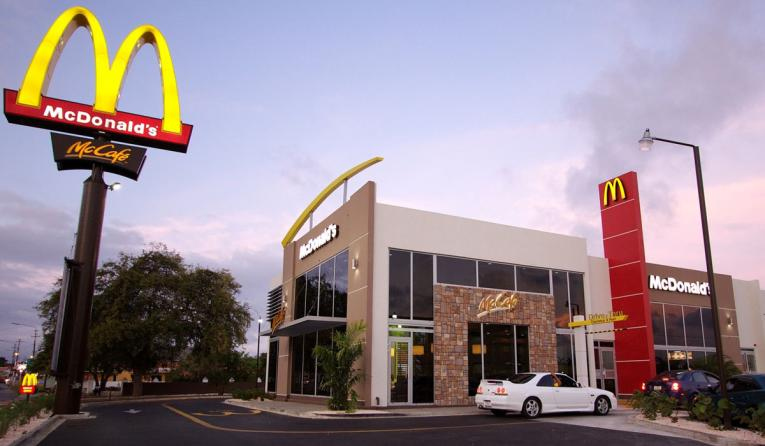
One thing’s for sure, drive-thrus are a good way to expand your QSR in times of a pandemic. After all, what better way is there to get your food than in the comfort of your car?
Ease of Online Ordering
The coronavirus brought about a new normal for us as we saw the implementation of working-from-home arrangements and social distancing measures, among others. Fortunately, with the proliferation of technology, this transition to the new normal was a breeze for most.
With the limitations that came with dining-in and the extra precautionary measures consumers are taking, digital orders are bound to increase, and understandably so. Chipotle saw their digital sales growing 216% year-over-year while Yum!’s (owner of Taco Bell, Pizza Hut, and KFC) increased from $1 billion to $3.5 billion from the same quarter in 2019.
With a limited dine-in capacity, many consumers were deterred by the possibility of long wait-times at their favorite restaurants. So, why not just order-in instead of going through the hassle of getting dressed, only to be disappointed by the lack of seats? Additionally, ordering online reduced the risk of being exposed to the coronavirus, which made it a no-brainer for most. The pandemic also galvanized QSR owners into expanding their digital platform or partnering up with third-party delivery services to reduce contact between their staff and the public.
With their increased online presence tied in with the new normal, it was no wonder why QSRs were able to keep their business afloat amidst the ongoing pandemic. If you have not built your online platform yet, you’re really missing out.
The “New Normal”
Now that we’ve gone through (most of) the factors which contributed to the QSRs’ success during the pandemic, it is time we discuss the ‘new normal’ and how we should adapt ourselves to it. To keep up with other QSRs in the industry, consider incorporating all of the above into your operations. Additionally, here are a couple of pointers you might want to take note of:
Change in Schedules
The implementation of work-from-home arrangements means that morning commute dramatically decreased , resulting in much fewer breakfast orders during the peak morning periods. Thus, consider making different arrangements to your staff’s shifts to accommodate the ‘new’ peak periods or even temporarily halting your breakfast options to simplify operations. Starbucks, for instance, moved its employees’ shifts towards the new peak hours after observing more customers coming in at later timings.
Priority on Hygiene and Safety of Food Preparation
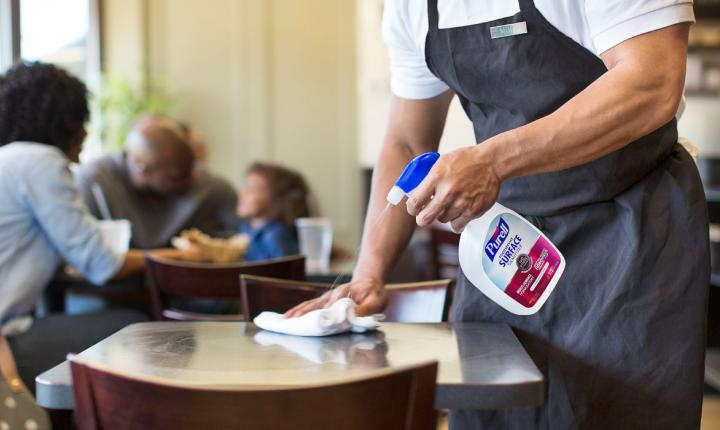
Unsurprisingly, consumers’ emphasis on food hygiene and safety has risen in light of the coronavirus pandemic. Gone are the days where reviews involved only food quality and customer service. You can expect to see increased scrutiny on your QSR’s operations, e.g. how hygiene is maintained on the premises. To gain the trust of your consumers, consider being transparent with your food preparations, and sanitize your restaurants right. Additionally, ensure that your employees are aware of your restaurants’ protocol and guidelines .
The QSR industry, in particular, thrived amidst the pandemic as their products proved versatile enough to adapt to unprecedented situations. If you are a QSR industry franchise owner, consider expansion opportunities we have suggested above to get ahead of your competitors. While the experience of COVID-19 was incredibly challenging for many, and will continue to impact trends and habits for years to come, it's also worth reflecting on some of the important takeaways from that once-in-a-lifetime experience.
Want to stay updated? For the latest news on the QSR industry, subscribe to our blog.