



5 Things Amy Hom Does Differently at a 24 Location Restaurant Group (And what a two-location operator can copy)
- Home >
- Workstream Blog >
- 5 Things A...

FREE RESOURCES
Join 30,000+ operators staying ahead on restaurant hiring, payroll, and compliance.
Get the latest with Workstream
Always stay current with hiring news by subscribing to our email updates
Amy Hom is Chief Operating Officer of Barcelona Wine Bar. The Spanish tapas and wine group opened in South Norwalk, Connecticut in 1996. It now runs 24 restaurants across 11 states and Washington DC, with a list of more than 400 wines. Before Barcelona she was VP of Operations at Red Robin and at sweetgreen, and Chief Operating Officer and Chief People Officer at Bluestone Lane.
I built 720 Sweets from one shop to seven locations, then sold it. At Workstream's On the Clock 2026 in Atlanta, I sat down with Amy. I picked my own sites off foot traffic reports once. A few of them never performed. So the part of this conversation about real estate landed harder than I expected. Here are five things she does differently, with the version that fits a two location operator.
1. Sit at the bar for two days before you sign the lease
Most groups hand site selection to a development team and a data set. Amy does not pretend the data is useless. She just refuses to let it decide.
"The data is one piece of a very big picture."
Amy Hom
What she does instead is slow and unglamorous. The team goes to the market and stays there.
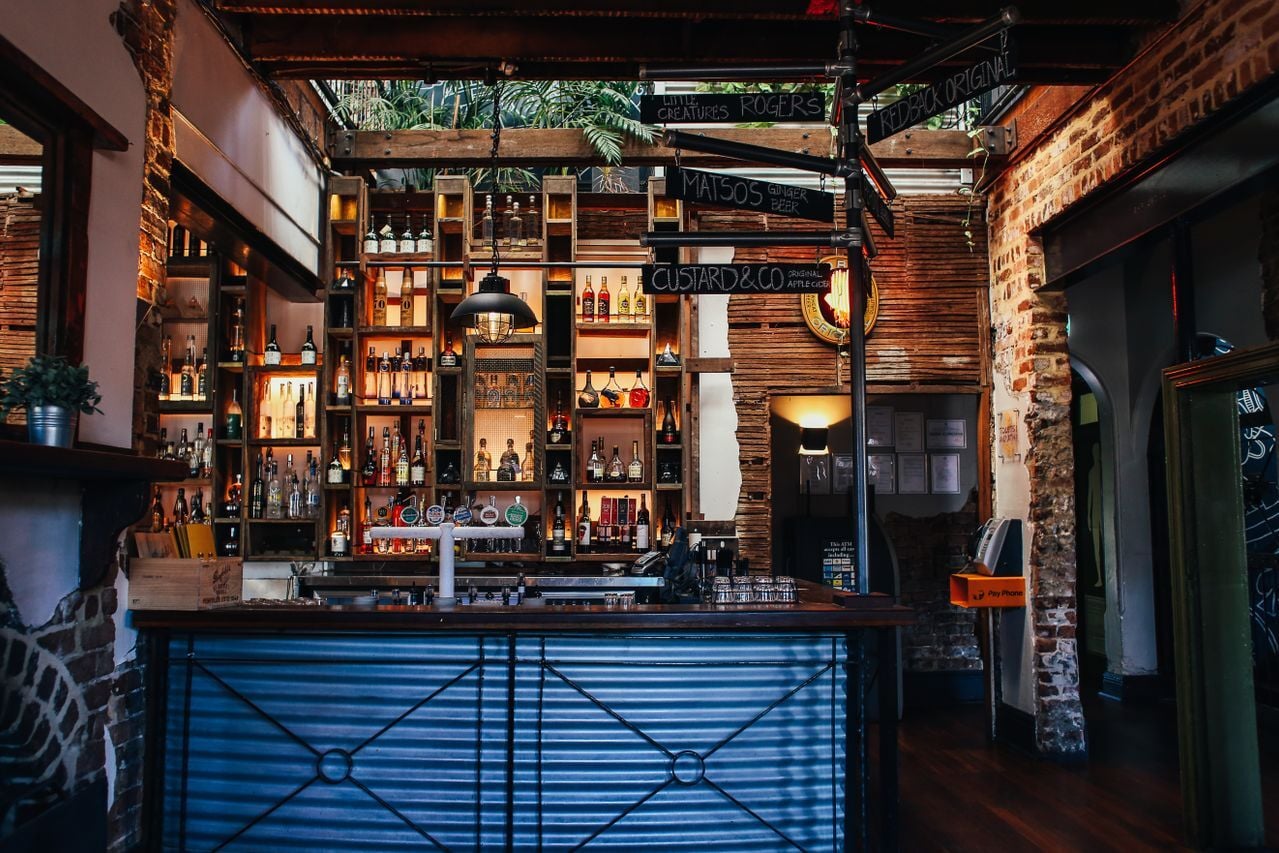
They will sit for a couple of days, hang out, and talk to all the bartenders in the area. Go to the site, order a cocktail, and ask the bartender straight out how much money they are making and what they want from the neighborhood. Then talk to the regulars, who will tell you exactly how they feel about that area whether you asked or not.
Out of that comes a question a spreadsheet cannot answer.
Can she hire here? Not just fill the shifts. Hire top candidates and really great quality people who can give great hospitality. So she looks at the service levels around her. Are they strong in that community, or are they weak? And if they are weak, can she bring that standard in and train it up, or is it simply missing from the area?
Her summary is that the biggest piece is talking to the community members, and that nothing can replace it.
The proof is in the sites the data said no to. There are times, she says, when the data tells them not to go somewhere, they go anyway, and they are successful.
What you can copy: before your next lease, spend two evenings in the neighborhood as a customer. Talk to three bartenders and three regulars. If you cannot see where your staff would come from, the rent does not matter.
2. Do not open a new location just to grow the count
Barcelona is in its 30th year and has 24 restaurants. That is under one opening a year, on average, and the slow pace is a decision, not a sign that they could not open more.
"Don't just scale to scale."
Amy Hom
She knows the line could sound like something every operator says. The difference is that her version is measured in years.
They will sit on a site for a couple of years to be sure it is the right space. They watch a community grow and try to arrive in the middle of that growth, while it is still forming rather than finished. The test she applies is whether the community will support the restaurant for the next ten, twenty or thirty years.
Deciding to add a hundred locations in a year, in her view, is not good leadership or good decision making. The work she does instead looks like homework. Pull out maps. Travel to the markets. Watch how the restaurants already there are doing. Talk to other owners and talk to their staff.
And then one question that has nothing to do with return on investment.
What energy, she asks, would we bring the community?
She points out that other operators tend to follow them into a market rather than the other way round. That only works if the first restaurant in is genuinely good.
What you can copy: write down the number of locations you want in five years, then write down why. If the only reason you can give is the number itself, you do not have a reason yet. Pick your second site on how long you think the neighborhood will keep supporting it, not on how soon you can open.
3. Build each location so it feels like the only one
This is the part that stops 24 restaurants from feeling like a chain.
"We want every Barcelona to feel like there's no other Barcelona."
Amy Hom
It starts with the building. They look for old buildings and then leave them alone.
Her line about it is the opposite of what a brand standards manual tells you to do. "We love to go into old buildings and not touch the walls." And then, plainly: "Our restaurants look the way they do on purpose."
The art is the same idea, taken further than most groups would. Barcelona runs its own art studio with a VP of creative, so every piece of art you see in the restaurants is authentic and one of a kind. Not licensed. Not printed twice.
The result is a room people treat differently. She told me that when you go into her restaurants, no one is on their cell phone. She had been at the 14th Street location in Washington DC the week before, and the room was full of wine, tapas and noise.
That is also her definition of a working restaurant. She loves tourists, she says, but the business is community based, and the only way to succeed is to create regulars. A tourist is one visit. A regular is sales you can count on next month.
What you can copy: find one thing in your store that exists only there. Real art from someone local, a table with a story, a dish that is not on the other menu. Then stop yourself from rolling it out to the second location.
4. Keep the technology where the guest never sees it
Amy runs rooms full of people who are not on their phones, and she is still firmly pro AI. The two sit together fine for her, because of where she keeps the technology.
"The guest should never know that we have any technology behind them working, but we need to capture the data."
Amy Hom
Her standard is simple. We want the technology to help us give the best guest experience, she says, and if it does not, we are using it wrong.
She has heard the objection from operators plenty of times. It hallucinates, it takes the human component out, so I am not going to use it. Her answer is that it does not, and that the objection gets the job of the technology wrong. It is a supporting actor in the play. Used properly it gives the guest more attention, not less.
In her own business it shows up in ordinary places. A new shopper program built on AI. Pulling data. Drafting an email to the team.
She does not pretend it is always right. We still do need to double check it, she says. Her example is a manager who sent in notes on a restaurant visit that AI had written, and the notes did not match what her restaurants actually look like. Her wider worry is accuracy, and she puts it to operators as a question rather than a warning. Are we going to be smart enough to challenge it at times, she asks, rather than just assuming it is telling us the truth? The inputs, in her words, are not all fully accurate yet.
She still comes down on the side of using it. Operators who are not embracing it, she thinks, are a little bit at risk, and less future forward than the ones who are. Workstream has a fuller argument for why now is the time for AI in QSR if you want the industry view next to hers.
What you can copy: pick one task the guest never sees and give it to a tool this month. Then read the output yourself before anyone acts on it.
The back office should stay out of the dining room. Every hour a manager spends on hiring paperwork, onboarding forms or payroll admin is an hour they are not on guest service, food prep or training. Workstream's all-in-one hiring, payroll, and HR platform keeps that work behind the door, so the guest never sees it. Explore All-in-one →
5. Keep every message and record in one place
When I asked what she wants from an HR system, she did not list features. She named three things, and the first one was that it makes the work simpler.
It simplifies, she says, and that matters most. Then the second thing, which is the one operators forget until an auditor calls. It is also documented, which is also very important for us, for compliance. A conversation that happened in someone's text messages is not a record.
The third is the one I hear from every multi unit operator I speak to.
"I can go to one place rather than going to a Gchat or Slack and then an email and then a text."
Amy Hom
That, she says, is what everyone is struggling with. Not the absence of tools. The number of them. A manager who has to check four places for one answer will eventually check none of them, and the message that gets missed is always the one that mattered.
She also wants the system to tell her when something is working and when it is not, instead of only storing what already happened. Workstream's look at a single employee communication app for a deskless workforce covers the same ground from the software side.
Asked what she would say to an operator who has not switched systems yet, her answer was one sentence.
She would test it. Once you test it in a couple of restaurants, she says, you find that it is simplifying your business and helping you more with compliance.
What you can copy: count how many places your team has to check to get one answer. If it is more than one, you have found your next project, and a pilot in two restaurants is enough to know.
The short version
- Go sit in the neighborhood. Two evenings and six conversations tell you more than a foot traffic report does.
- Make growth a decision, not a target. 24 restaurants in 30 years is a plan. A hundred in a year is a number somebody wanted to announce.
- Keep one thing in each store that exists nowhere else. Real art, an old wall, a dish that is only on that menu.
- Hide the technology from the guest. It should collect the data and stay out of the dining room.
- Cut the number of apps. One place to communicate, and a record you can show someone later.
None of that needs 24 restaurants. It needs the patience to wait on a site and the discipline to stop adding another app. For the software side of running more than one location, Workstream's roundup of HR software for multi unit operators is a reasonable starting point.
Frequently Asked Questions
How should a restaurant group choose its next location?
Go to the market in person and spend at least two days talking to bartenders and regulars before the data decides anything. Amy Hom, Chief Operating Officer of Barcelona Wine Bar, treats site data as one piece of a very big picture and says nothing replaces talking to community members. Her test is whether she could hire great hospitality people in that neighborhood.
How long should you watch a market before signing a lease?
Barcelona Wine Bar will sit on a site for a couple of years before committing. Amy Hom looks for a community that is still forming rather than finished. She wants to be confident it will support the restaurant for the next ten, twenty or thirty years. The slow pace is deliberate.
When should a restaurant group slow down its growth?
Whenever the target is a unit count rather than a reason, which Amy Hom calls scaling just to scale. Barcelona Wine Bar has opened 24 restaurants in 30 years, under one a year on average. Deciding to add a hundred locations in a year, in her view, is not good leadership or good decision making.
How do you stop a growing restaurant group from feeling like a chain?
Make each location physically different from the others, starting with the building. Barcelona Wine Bar takes old buildings and does not touch the walls. It also runs an in-house art studio, so every piece of art in a restaurant is authentic and one of a kind. Amy Hom's aim is for every location to feel like there is no other one.
Where should AI sit in a restaurant operation?
In the background, capturing data, where the guest never knows it is running. Amy Hom describes it as a supporting actor in the play, and says that if the technology is not helping the guest experience, the operator is using it wrong. She still double checks the output, and warns that the inputs are not all fully accurate yet.
Request a demo of Workstream →
About the author. Wilson K Lee built 720 Sweets from one shop to seven locations and sold it. He now runs wilsonklee.com, where he publishes real numbers and playbooks for food and beverage owners, and he hosted the speaker interviews at Workstream's On the Clock 2026.