



How to Hire Personal Chefs: Step-by-Step Guide for Households and Businesses
Discover how to hire personal chefs with our step-by-step guide, including expert tips on finding, interviewing, and onboarding top culinary talent for your restaurant or business.

How to Hire Personal Chefs: The Complete Guide for Small Business Owners and Households
If you’ve ever found yourself staring at an empty fridge after a long day—wishing a delicious, home-cooked meal would just appear—well, you’re not alone. Whether you’re a busy family, a restaurant franchisee, or a small business owner looking to impress clients, the decision to hire personal chefs or hire private chefs can be a game-changer. But how do you find the right fit? And what does the process actually look like? Let’s roll up our sleeves and walk through it together.
Why Hire a Personal Chef? More Than Just a Luxury
It’s easy to think that personal chef services are reserved for the rich and famous, but that’s changing fast. These days, families, busy professionals, and even restaurants are realizing the value of specialized culinary talent—not just for convenience, but for health, dietary needs, and memorable experiences. For restaurant owners, bringing in a chef for personal hire can help with menu innovation or special events, while households benefit from tailored meal plans and stress-free evenings.
Honestly, who wouldn’t want a little more time back in their day or a few less dishes in the sink?
The Benefits Go Beyond the Plate
- Customized meals to fit allergies, dietary restrictions, or lifestyle goals
- Consistent quality and presentation—no more takeout roulette
- Time savings for families and business owners alike
- Enhanced hospitality for client dinners or special occasions
And if you’re running a business, employee satisfaction and retention can get a boost from better food options or creative culinary events. It’s a win-win, if you ask me.
Where to Start: Sourcing and Recruiting Personal Cooks
So, you’re ready to recruit personal cooks or hire a chef for personal hire. But where do you even begin? The process can feel a bit like searching for a needle in a haystack, but with the right approach (and a little patience), you’ll find the perfect fit.
Define Your Needs First
- How many meals per week do you need?
- Are you looking for specialty cuisines or dietary expertise?
- Is this a full-time, part-time, or event-based role?
- Do you need someone who can also help with shopping, menu planning, or kitchen management?
Clear expectations make for smoother hiring—and happier chefs. For inspiration, check out these tips for creating clear job descriptions and handbooks, which can be adapted for private chef roles as well.
Where to Find Top Talent
- Online job boards focused on hospitality and culinary roles
- Referrals from local restaurants or catering companies
- Specialized agencies for personal chef services
- Community groups or culinary schools—sometimes the best talent is just starting out and eager to prove themselves
- Digital platforms like Workstream that streamline the hiring process for hourly and specialized roles
Don’t forget to proactively reach out to candidates who fit your criteria. Sometimes, the best chefs aren’t actively looking—they’re just waiting for the right opportunity to come knocking.
The Interview and Selection Process: Finding the Right Fit
Once you’ve got a shortlist, it’s time to dig deeper. Remember, cooking skills are just one part of the equation—personality, reliability, and flexibility matter just as much, especially if this chef will be working in your home or closely with your team.
Interview Questions That Matter
- What’s your experience with dietary restrictions or special requests?
- How do you handle feedback or last-minute changes?
- Can you provide references from past clients or employers?
- What’s your approach to menu planning and sourcing ingredients?
For more ideas, these cultural fit interview questions can help you assess whether a candidate will mesh with your family or business culture. And if you want to get creative, try a paid trial meal or tasting session—sometimes, the proof really is in the pudding.
Background Checks and Compliance
Don’t skip the paperwork. Background checks, food safety certifications, and clear contracts are crucial—especially for roles involving children, elderly family members, or sensitive dietary needs. The U.S. Department of Labor has guidelines on recordkeeping and wage compliance, which apply to private chef roles too. If you’re hiring through a platform like Workstream, much of this can be automated and tracked digitally, saving you time and headaches.
Setting Up for Success: Onboarding and Retention
Once you’ve found your chef, the real fun begins. But onboarding matters—don’t just toss them the keys to the kitchen and hope for the best.
Effective Onboarding Tips
- Share family or business preferences, allergies, and pet peeves
- Walk through your kitchen layout and equipment
- Set clear expectations around scheduling, communication, and feedback
- Discuss boundaries—privacy, guests, and off-limits areas
For a smooth start, these onboarding best practices can be adapted for personal chefs. And if you’re managing a team, Workstream’s onboarding templates make it easy to keep everyone on the same page.
Retaining Great Chefs: It’s Not All About the Money
High turnover is a headache no matter the industry. In the culinary world, it’s especially costly—losing a chef can set you back thousands in lost productivity and retraining. So, how do you keep your chef happy and engaged?
- Offer flexibility and respect their creative input
- Provide opportunities for continued learning or culinary exploration
- Recognize their contributions—sometimes a simple thank you or a holiday bonus goes a long way
- Consider benefits like paid time off or health coverage, which can be a major draw (see this DoorDash report for more on how benefits boost retention)
And if you’re running a business, don’t underestimate the power of modern HR tools. Platforms like Workstream can help you track hours, manage payroll, and keep communication flowing—so your chef can focus on what they do best: making magic in the kitchen.
Common Pitfalls and How to Avoid Them
Let me be real—hiring a personal chef isn’t always smooth sailing. Here are a few bumps to watch out for, and how to steer clear:
- Vague expectations: Spell out duties, schedules, and boundaries up front to avoid misunderstandings.
- Ignoring compliance: Stay on top of wage laws, tax reporting, and food safety certifications. The Department of Labor is a good resource.
- Forgetting about culture fit: Skills matter, but so does personality. Use cultural fit interview questions to find someone who’ll feel like part of the family—or team.
- Neglecting onboarding: A little structure up front saves a lot of headaches later. Check out these onboarding templates for a head start.
Conclusion: The Recipe for a Successful Hire
At the end of the day, learning how to hire personal chefs—or hire private chefs, or recruit personal cooks—is about more than just filling a job. It’s about finding someone who can bring joy, nourishment, and a little bit of magic to your table or your business. With clear expectations, thoughtful onboarding, and the right tools, you’ll set yourself (and your chef) up for lasting success.
And if you’re looking for a way to make the process even easier, platforms like Workstream are designed to take the stress out of hiring and managing hourly or specialized roles—so you can focus on what matters most, whether that’s family, business growth, or just enjoying a great meal.
Further Reading from Workstream
- Learn more about hiring automation for specialized roles
- Explore onboarding templates for a great new hire experience
- Discover hourly workers for hire across industries
- Get tips on interviewing for culture fit
- Contact Workstream for support on your hiring journey
.svg)


All your important HR tasks under one roof
Today’s business owners and HR teams are overwhelmed with administrative tasks: manual processes and exports, duplicative data entry, and siloed information. Workstream centralizes and simplifies people tasks so you can move fast, reduce labor costs, and simplify operations—all in one place.
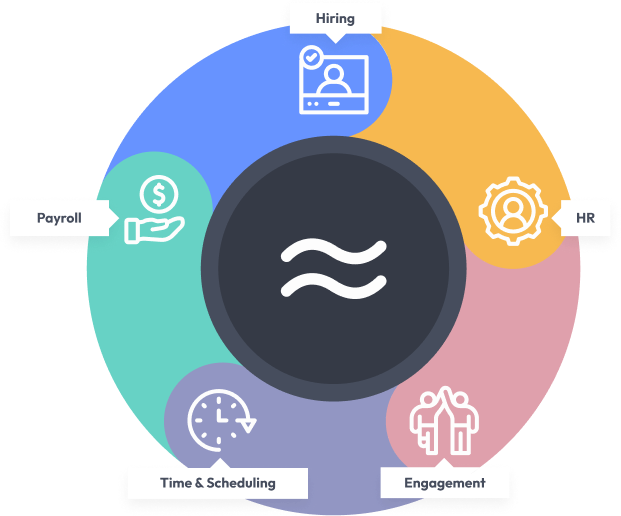

Hiring
Hire better quality workers, faster

HR
Streamline people processes and ensure employee records are always accurate

Engagement
Reduce turnover and increase worker engagement

Time & Scheduling
Manage schedules and hours worked to optimize your labor costs

Payroll
Pay your team quickly, easily, and accurately
resources
Become a hiring and onboarding expert.

Be smart with your hourly workforce
