



How to Hire Beauty Therapists: A Practical Guide for Salon Owners
Streamline how you hire beauty therapists and salon staff with Workstream’s mobile-first platform—automate recruitment, onboarding, and scheduling to build your dream team faster.

How to Hire Beauty Therapists: A Practical Guide for Salon Owners
Why Hiring Beauty Therapists Is a Whole Different Ball Game
Let’s be honest—to hire beauty therapists isn’t just about filling a chair. It’s about finding the right blend of artistry, empathy, and reliability. Your beauty salon staff are the face (and hands) of your business. If you ask me, it’s a bit like picking the perfect shade of foundation: you want a match that looks natural, lasts all day, and makes everyone feel good.
But here’s the thing: beauty therapist hiring is tough. Turnover in hospitality and personal care can be sky-high—sometimes over 70% annually! According to industry reports, that revolving door doesn’t just cost money; it drains morale and disrupts client relationships. So, what’s a savvy owner to do?
The Real Cost of Turnover in Beauty and Wellness
When you lose a spa therapist or esthetician, you’re not just losing their skills. You’re also losing their loyal clients, their product knowledge, and a bit of your brand’s soul. Studies show that replacing an hourly worker can cost up to $5,864 on average—ouch. That’s money better spent on new equipment or staff training, right?
If you want to keep your best people (and your sanity), it pays to get recruitment right the first time.
What Makes a Great Beauty Therapist? (And How Do You Spot One?)
Every salon owner has a story about the “one that got away”—the therapist who could do a perfect facial and chat up every client, but left for greener pastures. So, how do you find and keep these unicorns?
Essential Qualities to Look For
- Technical skill: Can they deliver flawless treatments? Certifications matter, but so does real-world experience.
- Empathy and communication: Clients want to feel heard and pampered. A therapist who listens is worth their weight in gold.
- Punctuality and professionalism: No-shows or late arrivals can wreck your schedule—and your reputation.
- Adaptability: Trends change fast. Today it’s brow lamination; tomorrow it’s something new. Are they eager to learn?
To dig deeper during interviews, try these motivational interviewing techniques or ask some cultural fit questions. Sometimes, the best hires aren’t just technically gifted—they’re enthusiastic about growing with your team.
Where to Find Top Talent (Hint: It’s Not Just Craigslist Anymore)
The old days of posting a sign in the window are over. These days, successful spa therapist recruitment means meeting candidates where they are—often online.
- Leverage free job boards and social media platforms like Instagram, where visual portfolios shine.
- Use creative job postings that highlight your unique culture and perks.
- Tap into referral networks—your current staff often know great people looking for their next opportunity.
- Consider digital tools that automate screening and scheduling, such as Workstream’s hiring automation.
If you’re still relying on word-of-mouth alone, you might be missing out on a whole pool of talented estheticians ready for their next move. And honestly, who has time to sift through endless resumes?
The Hiring Process: Steps for Success (and a Few Cautionary Tales)
Write Job Descriptions That Attract the Right People
Your job post is more than a laundry list of duties; it’s the first impression you make on potential hires. According to experts in hospitality hiring, clarity and personality both matter. Spell out expectations, highlight growth opportunities, and don’t forget to mention benefits—these can be a game-changer for retention (see DoorDash’s research on benefits).
If you need inspiration, check out these job posting templates for hourly workers.
Screening & Interviewing: Don’t Skip the Human Touch
Automated screening tools can save hours—Workstream customers report saving up to three hours per week per location—but don’t lose sight of the human element. Ask about real-life scenarios (“Tell me about a time you calmed a nervous client”) and watch for genuine enthusiasm. For more on this, see how top brands hire for attitude first.
Avoid common pitfalls like rushing through interviews or ignoring red flags. If someone has switched jobs every six months, dig in (gently) to understand why.
The Compliance Angle: Stay Out of Hot Water!
Disclaimer: Employment laws vary by state—always consult with an HR professional or legal advisor. But generally speaking, you’ll need to:
- Verify licenses and certifications for estheticians and massage therapists.
- Keep accurate wage and hour records (Department of Labor guidelines here).
- Avoid discriminatory language in job ads or interviews.
- Provide proper onboarding and safety training (see these onboarding templates).
If compliance makes your head spin, digital HR platforms like Workstream can help automate document collection and keep you organized—saving you from costly mistakes down the line.
Retention: Keeping Your Beauty Therapists Happy (and Employed)
The Secret Sauce: Engagement, Recognition, and Flexibility
You’ve hired the dream team—now how do you keep them? Turns out, it’s not always about pay (though fair wages matter—a lot). Engagement is key. According to Harvard Business Review research, most young hourly workers plan to leave within a year unless they feel valued and see a future with your business.
- Offer flexible schedules: Use digital scheduling tools (see how Gap does it) so staff can balance work and life.
- Recognize achievements: Celebrate milestones—big or small—to boost morale (here's how to mark anniversaries creatively).
- Create growth pathways: Encourage ongoing education and promote from within when possible.
- Listen actively: Regular check-ins go a long way toward building trust and catching issues early.
A Few Words About Benefits (Don’t Underestimate Them!)
If you think benefits are just for big corporations, think again. Even small perks—like free treatments or flexible time off—can make a huge difference. For more on this, check out what DoorDash found about benefits in recruitment. And if you’re wondering how many hours part-time staff can work before qualifying for benefits, see this breakdown on part-time hours and benefits eligibility.
Tying It All Together: The Modern Way to Hire Beauty Therapists
The beauty industry is evolving fast—clients expect more, competition is fierce, and staffing is trickier than ever. But with the right approach—and maybe a little help from technology—you can build a team that keeps clients coming back for more.
- Simplify spa therapist recruitment: Use platforms like Workstream’s hiring automation tools to cut your time-to-hire in half and reduce costly turnover.
- Create standout job posts: Show off what makes your salon special with these creative tips for job postings.
- Nail compliance: Stay organized with digital onboarding templates (see examples here) and wage recordkeeping (official DOL guidance).
- Keep staff engaged: Recognize achievements (work anniversary ideas here) and offer flexible schedules (see how tech helps here).
If you’re ready to stop searching endlessly for “search salon employee” or “hire estheticians” only to start over again next month, maybe it’s time to try something new. With smart screening, automated scheduling, and digital onboarding—all in one place—you’ll spend less time shuffling paperwork and more time building your brand.
A Few More Resources Before You Go
- 10 Must-Know Hiring Statistics for Hourly Businesses
- Restaurant Hiring: What You Need to Know
- How Five Guys Grew From 5 Stores to 1500+
- How to Use Instagram for Hourly Hiring
- About Workstream: The All-in-One HR Platform for Hourly Teams
If you’re looking to streamline your beauty therapist hiring process—and maybe even enjoy it along the way—don’t be afraid to embrace new tools and strategies. Your future team (and your bottom line) will thank you.
.svg)


All your important HR tasks under one roof
Today’s business owners and HR teams are overwhelmed with administrative tasks: manual processes and exports, duplicative data entry, and siloed information. Workstream centralizes and simplifies people tasks so you can move fast, reduce labor costs, and simplify operations—all in one place.
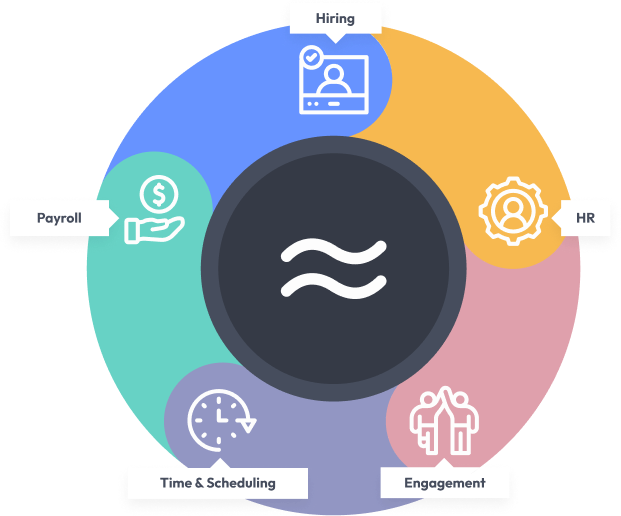

Hiring
Hire better quality workers, faster

HR
Streamline people processes and ensure employee records are always accurate

Engagement
Reduce turnover and increase worker engagement

Time & Scheduling
Manage schedules and hours worked to optimize your labor costs

Payroll
Pay your team quickly, easily, and accurately
resources
Become a hiring and onboarding expert.



Be smart with your hourly workforce
