



How to Hire Shop Assistants: Step-by-Step Guide for Finding and Keeping Top Retail Talent
Learn how to hire shop assistants efficiently with our expert tips on recruiting, interviewing, and onboarding the right talent for your small business success.

How to Hire Shop Assistants: A Practical Guide for Small Business Owners
If you run a retail shop—maybe a family-owned boutique, a bustling convenience store, or even a franchise location—you know firsthand how crucial it is to hire shop assistants who are reliable, personable, and ready to roll up their sleeves. But let's be honest: finding the right folks for these roles can feel like searching for a needle in a haystack, especially with today’s high turnover rates and shifting expectations. So, what’s the secret sauce to building a team that sticks around and actually enjoys the work? Let’s walk through the essentials, with a few side notes that might surprise you—and, if you ask me, could make all the difference.
Why Hiring Shop Assistants Is Tougher Than It Looks
First, let’s call it like it is: turnover in retail is sky-high. According to industry reports, losing a single front-line worker can cost thousands in lost productivity and retraining. That’s not just a hit to your wallet—it’s a drain on morale too. And with so many stores vying for the same talent pool, you’ve got to get creative to find retail assistants who’ll stick around.
One thing that’s often overlooked? The impact of benefits and perks. Even small gestures—like flexible scheduling or same-day pay—can tip the scales for candidates. If you’re not sure where to start, check out how instant pay access is changing the game for hourly workers. It’s not just about the paycheck anymore; it’s about the whole package.
Building a Winning Job Posting and Interview Process
Crafting Job Ads That Attract the Right People
Let’s face it, most job ads for shop assistants sound the same. So, how do you stand out? Focus on clarity, culture, and what’s in it for them. For inspiration, take a look at these job posting examples or try these creative tips to make your listing pop.
- Highlight growth opportunities—people want to know they can move up.
- Be upfront about pay and perks. Transparency builds trust.
- Share a bit about your shop’s vibe. Is it fast-paced? Family-oriented?
And don’t forget the power of digital tools. Posting on platforms like Indeed or even Instagram can help you reach a wider pool of candidates—especially those who might not be checking the classifieds.
Interviewing for Attitude, Not Just Experience
Here’s the thing: you can teach someone how to use a register, but you can’t teach them to be friendly or reliable. The best shop assistants are those who genuinely care about helping people. Borrow a page from the playbook of companies that hire for attitude and train for skill. Ask questions that get to the heart of how they handle stress, deal with tough customers, or work in a team. For a list of smart interview questions, check out these cultural fit interview questions and motivational interviewing techniques.
Recruiting and Retaining Store Staff: What Actually Works?
Where to Find Retail Assistants
Sure, you can post on job boards, but don’t underestimate the power of referrals or community connections. Sometimes your best new hire is a customer who already loves your store. If you’re looking to recruit store staff efficiently, consider these strategies:
- Tap into local schools or community centers.
- Encourage current employees to refer friends (maybe offer a bonus!).
- Use digital hiring platforms like Workstream to automate screening and scheduling—saving you hours every week.
And don’t forget to keep an eye on industry trends. For example, the American Staffing Association offers valuable insights on where the talent is moving and what they’re looking for in a job.
Onboarding: The First Impression That Lasts
Once you’ve made a hire, the real work begins. A smooth onboarding process can reduce turnover dramatically. According to recent onboarding statistics, employees who have a positive start are far more likely to stay. Use resources like these onboarding templates to make sure new hires feel welcomed and prepared from day one.
And let’s be honest, paperwork is nobody’s favorite part. That’s where digital solutions like Workstream’s onboarding tools can make life easier, letting you focus on training and team-building instead of chasing signatures.
Retention: Keeping Shop Assistants Happy and Motivated
It’s one thing to recruit shop assistants; it’s another to keep them engaged. According to Modern Restaurant Management, high turnover eats away at profits and team morale. So, what keeps people around?
- Fair pay and regular recognition—don’t underestimate a simple “thank you.”
- Flexible scheduling, which you can streamline with tools like 24-hour schedule templates.
- Opportunities for advancement or learning new skills.
- Clear communication and a sense of belonging; see how work-life balance impacts engagement.
And if you’re wondering how your retention efforts stack up, check out the latest talent retention studies for benchmarks and fresh ideas.
Compliance, Recordkeeping, and Legal Must-Knows
Let’s not sugarcoat it—hiring comes with a mountain of paperwork and rules. From wage and hour laws to anti-discrimination policies, there’s a lot to keep track of. For the basics on what records you need to keep, the U.S. Department of Labor has a handy list. And if you’re ever in doubt, don’t hesitate to consult a professional or use a platform that bakes compliance right into your workflow.
One more thing: if you’re hiring minors or part-time staff, be sure to check out the latest on part-time hours and benefits eligibility. The rules can get tricky, and mistakes can be costly.
Technology and Tools to Make Hiring a Breeze
Honestly, if you’re still juggling resumes and schedules on paper, you’re working way too hard. Modern platforms like Workstream can help you hire shop assistants faster, cut down on errors, and even reduce your HR tool costs by up to 50%. That’s not just a sales pitch—it’s a practical way to keep your sanity and your budget in check. Plus, with mobile-first features, your team can manage shifts, communicate, and even complete onboarding from their phones. Welcome to the 21st century, right?
For a deeper look at how technology is transforming retail hiring, check out these resources:
- Improving engagement for young hourly workers
- Causes of turnover in hospitality
- What makes restaurant employees happy
- Turnover and your bottom line
- How to fix high turnover rates
- How one chain keeps turnover low
- What companies can do better for hourly workers
- The real cost of turnover
- Impact of benefits on recruitment
- Causes of turnover in restaurants
- Employee onboarding statistics
- Work-life balance and engagement
- Staffing industry statistics
- Wage recordkeeping requirements
- Benefits for recruitment and retention
Wrapping Up: Your Next Great Shop Assistant Is Out There
Hiring for retail isn’t rocket science, but it does require a thoughtful approach—one that balances efficiency with empathy. Remember, your shop assistants are the face of your business. Invest in the right tools, create a welcoming environment, and stay flexible as the industry evolves. And if you’re ready to make your next hire the easy way, Workstream’s hiring automation is always there to help you cut through the noise.
Want more tips on building a stellar team? Check out these resources on restaurant hiring, calling out benefits in job descriptions, traits of committed employees, free job posting sites, and onboarding templates to set your new hires up for success.
.svg)


All your important HR tasks under one roof
Today’s business owners and HR teams are overwhelmed with administrative tasks: manual processes and exports, duplicative data entry, and siloed information. Workstream centralizes and simplifies people tasks so you can move fast, reduce labor costs, and simplify operations—all in one place.
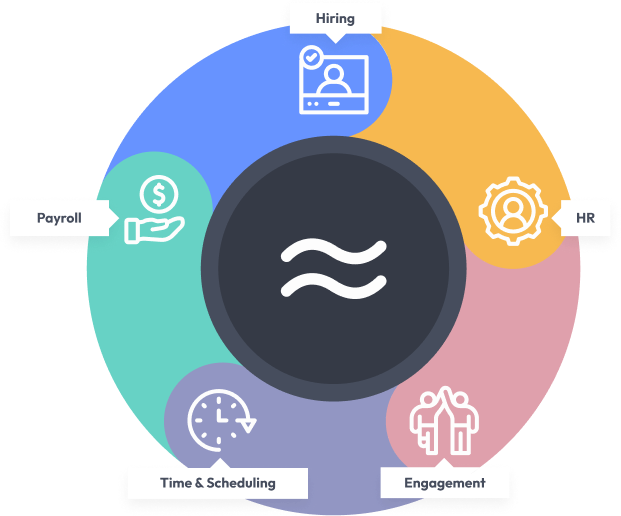

Hiring
Hire better quality workers, faster

HR
Streamline people processes and ensure employee records are always accurate

Engagement
Reduce turnover and increase worker engagement

Time & Scheduling
Manage schedules and hours worked to optimize your labor costs

Payroll
Pay your team quickly, easily, and accurately
resources
Become a hiring and onboarding expert.


Be smart with your hourly workforce
