



How to Hire Packagers: Step-by-Step Guide for Building a Reliable Packaging Team
Discover proven strategies to hire packagers efficiently. Learn key steps, tips, and best practices to streamline your recruitment process and attract top talent for your packaging team.

How to Hire Packagers: A Practical Guide for Small Businesses
If you’ve ever found yourself knee-deep in shipping boxes, scrambling to get orders out the door, you already know—finding and keeping a reliable packaging team can make or break your business. Whether you run a bustling bakery, a growing e-commerce shop, or a local meal kit service, the need to hire packagers who are fast, detail-oriented, and dependable is more important than ever. But how do you attract, assess, and retain the best packaging staff? Let’s unpack the essentials (pun intended), and sprinkle in a few real-world tips to help you build a packaging team you can count on.
Why the Right Packaging Team Matters
Here’s the thing: Your packaging crew is the last line of defense before your product reaches the customer. If something goes wrong here—damaged goods, missing items, or late shipments—it’s your brand’s reputation on the line. High turnover and disengaged workers can cost you thousands, not to mention the headaches. According to industry data, losing a single front-line employee can cost over $5,800. That’s a lot of dough for any small business.
What Makes a Great Packager?
- Attention to Detail: The best packagers spot a missing label or a torn box before it becomes a customer complaint.
- Efficiency: They move quickly without sacrificing quality—think of them as the pit crew of your operation.
- Teamwork: Packaging is rarely a solo act; collaboration keeps the line moving and spirits high.
- Reliability: Showing up on time, shift after shift, is half the battle.
Honestly, finding folks with these qualities isn’t always easy, but it’s worth the effort. For more on what makes hourly employees tick, check out this survey on employee happiness.
Step-by-Step: How to Hire Packagers Who Stick Around
1. Write a Clear, Honest Job Description
Don’t sugarcoat the work. Be upfront about the pace, the hours, and the physical demands. Use plain language, and highlight what makes your business a great place to work—whether it’s flexible shifts, free snacks, or opportunities to move up. Need inspiration? These job posting examples can help you craft a compelling pitch.
2. Source Candidates Where They Are
Packaging jobs attract a wide range of applicants, so cast a wide net. Post on local job boards, use social media (Facebook is still king for many), and don’t overlook referrals from your current team. For more ideas, see the top free job posting sites and tips for hiring on Instagram.
3. Screen for Skills and Attitude
Let’s be real: Packaging isn’t rocket science, but it does require focus and stamina. Use simple assessments or trial shifts to see candidates in action. Some businesses swear by pre-employment tests to gauge fit. And don’t underestimate the power of a quick, friendly interview—sometimes a gut feeling goes a long way. For more on interviewing, check out motivational interviewing techniques and cultural fit questions.
4. Move Fast—But Not Too Fast
Hourly workers are in high demand, and if you drag your feet, the best candidates will be gone. Automating your hiring process can help you cut your time-to-hire in half. Tools like Workstream let you schedule interviews, send reminders, and even onboard new hires—all from your phone. It’s like having a virtual HR assistant that never takes a coffee break.
5. Onboard and Train for Success
Even the most promising packagers need clear instructions and a warm welcome. Digital onboarding tools can reduce paperwork headaches and get new hires up to speed in minutes, not hours. For a smooth start, try these onboarding templates and check out advice on onboarding best practices.
Packaging Team Recruitment: Avoiding Common Pitfalls
Don’t Ignore Culture and Engagement
It’s easy to focus on speed and output, but if your team feels like cogs in a machine, turnover will skyrocket. Studies show that job satisfaction is deeply tied to retention. Simple gestures—like celebrating milestones or offering small perks—can make a world of difference. For more on this, see work anniversary celebration tips and traits of committed employees.
Compliance and Recordkeeping: Don’t Drop the Ball
Here’s a not-so-fun fact: Failing to keep proper records can cost you big time. The Department of Labor requires you to track hours, wages, and more for every nonexempt worker. Digital HR platforms like Workstream make compliance a breeze, so you can avoid those dreaded fines and lawsuits (which, by the way, can run up to $25,000 a year if you’re not careful).
Retention: Keep Your Packaging Staff Happy
High turnover is a budget-buster. According to industry research, the cost of replacing a single hourly worker can be staggering. So, what keeps people around?
- Fair pay and benefits—see how benefits impact retention
- Consistent schedules—unpredictable hours drive folks away (learn more)
- Opportunities for growth—don’t be afraid to promote from within
- Recognition—sometimes a simple “thank you” goes a long way (see why)
For more on keeping your team engaged, check out this guide to engaging young hourly workers and the impact of work-life balance.
Tech Tools and Trends: Making Packaging Team Recruitment Easier
Embrace Automation and Mobile Tools
Honestly, if you’re still juggling paper applications and spreadsheets, you’re making life harder than it needs to be. Platforms like Workstream let you manage everything—job postings, interviews, onboarding, scheduling, and payroll—in one place. You’ll save hours every week and reduce errors that can lead to costly mistakes. For a deeper look at HR tech trends, check out this HR tech guide and why turnover happens in hospitality.
Scheduling Smarter, Not Harder
Ever had a no-call, no-show on a busy shipping day? It’s the worst. Automated scheduling tools can send reminders, flag overtime risks, and let workers swap shifts—all from their phones. For practical scheduling advice, see this 24-hour schedule template and employee handbook tips.
Conclusion: Build a Packaging Team That Grows With You
Hiring the right packagers isn’t just about filling a spot on the line—it’s about building a team that cares about your business as much as you do. Take the time to hire packaging staff who fit your culture, train them well, and give them reasons to stay. With the right tools and a little heart, you can turn a revolving door into a loyal crew that helps your business thrive.
Ready to streamline your packaging team recruitment? Learn more about Workstream’s all-in-one HR and payroll platform—it’s built for businesses like yours. And if you’re curious about how other franchises have scaled their teams, check out the Five Guys growth story or how Dunkin’ did it.
Further Reading from Workstream
.svg)


All your important HR tasks under one roof
Today’s business owners and HR teams are overwhelmed with administrative tasks: manual processes and exports, duplicative data entry, and siloed information. Workstream centralizes and simplifies people tasks so you can move fast, reduce labor costs, and simplify operations—all in one place.
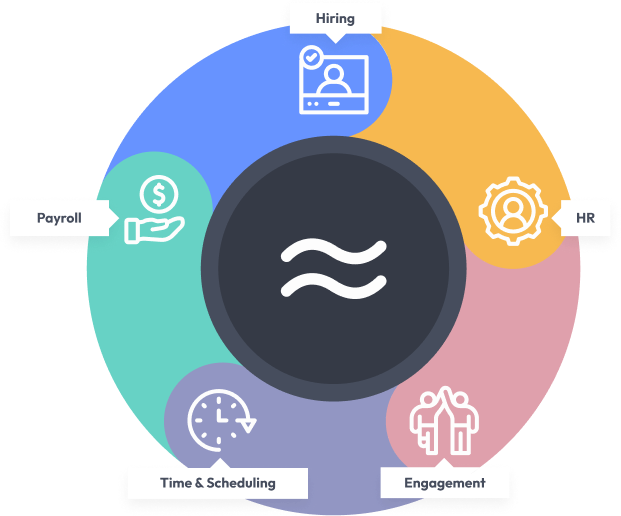

Hiring
Hire better quality workers, faster

HR
Streamline people processes and ensure employee records are always accurate

Engagement
Reduce turnover and increase worker engagement

Time & Scheduling
Manage schedules and hours worked to optimize your labor costs

Payroll
Pay your team quickly, easily, and accurately
resources
Become a hiring and onboarding expert.



Be smart with your hourly workforce
