



How to Hire Grill Cooks: Essential Tips for Restaurant Owners to Build a Great Team
Discover the best strategies to hire grill cooks for your restaurant, streamline your hiring process, and build a reliable kitchen team with these expert tips.

How to Hire Grill Cooks: A Modern Guide for Restaurant Owners
Let’s be honest—finding and keeping a great grill cook can feel like searching for a unicorn in a haystack, especially when you’re juggling a dozen other things behind the counter. But if you ask me, hiring the right person for the grill isn’t just about filling a spot on the line. It’s about building the heartbeat of your kitchen, one seared steak at a time. So, let’s walk through the ins and outs of how to hire grill cooks who’ll keep your customers coming back for more, while also making your life a whole lot easier.
Why Grill Cooks Matter—and Why They’re So Hard to Find
Grill cooks are the unsung heroes of any restaurant kitchen. They’re the ones who set the pace, keep the orders moving, and make sure every burger and steak is cooked just right. But here’s the rub: employee turnover in the restaurant industry is sky-high, and grill cooks are often the first to jump ship when things get tough. According to industry research, losing a single front-line employee can cost you nearly $6,000, and that’s not even counting the headache of recruiting and training someone new.
So, what’s driving all this churn? It’s a mix of long hours, unpredictable schedules, and sometimes, a lack of recognition. If you want to hire kitchen staff who stick around, you’ve got to think beyond the paycheck. Benefits, flexible scheduling, and a positive work environment all play a part—just ask DoorDash and Technomic, who found that offering better benefits can help restaurants attract and keep top talent.
Building a Strong Foundation: Recruiting and Screening Grill Cooks
Crafting the Perfect Job Posting
First impressions count, and your job ad is where it all starts. Be clear about what you’re looking for in a restaurant grill cook—not just the technical skills, but also the attitude and work ethic. For inspiration, check out these best job posting examples that attract quality hourly workers. And don’t forget to highlight what makes your kitchen special, whether it’s a supportive team or opportunities for advancement.
Want to stand out even more? Try these creative tips to make your job posting pop, or consider posting on platforms like Indeed or even Instagram to reach a wider pool of candidates.
Screening for Skills and Culture Fit
Once the applications start rolling in, it’s time to separate the sizzle from the smoke. Sure, experience matters, but don’t underestimate the power of attitude. Some of the best grill cooks I’ve seen were trained from scratch—they just had the right mindset. For a deeper dive into what makes a great hire, check out this Harvard Business Review story on how one fast-food chain keeps turnover rates absurdly low by hiring for attitude and training for skill.
To help you spot the right fit, consider using motivational interviewing techniques and cultural fit interview questions. And if you’re looking to recruit line cooks who mesh with your team, don’t forget to ask about their communication style and ability to handle the heat—literally and figuratively.
Onboarding and Retaining Your Grill Cook All-Stars
Streamlining the Onboarding Process
Let’s face it, paperwork is nobody’s favorite part of the job. But a smooth onboarding process can set the tone for a new hire’s entire experience. Digital onboarding tools—like those offered by Workstream—can cut onboarding time from hours to minutes, making life easier for both managers and new hires. For a few ready-to-use resources, check out these onboarding templates that ensure nothing falls through the cracks.
Keeping Your Grill Cooks Happy (and On Your Team)
Retention is where the magic happens. According to Modern Restaurant Management, the real cost of turnover goes far beyond recruitment expenses—it impacts morale, customer service, and even your bottom line. So, how do you keep your grill chefs happy?
- Recognize and reward good work—even a simple thank you goes a long way.
- Offer flexible scheduling. Tools like Workstream’s scheduling platform can help employees gain more control over their shifts.
- Invest in ongoing training and growth opportunities. For tips on training, see these effective training techniques.
- Provide benefits where possible—benefits packages are a big draw for today’s workforce.
And don’t forget, sometimes it’s the little things—like a steady schedule or a chance to learn new skills—that make all the difference. For more on why grill cooks leave (and how to stop them), take a look at this breakdown of turnover causes in hospitality.
Compliance, Payroll, and the Hidden Costs of Hiring
Staying on the Right Side of the Law
It’s easy to overlook the nitty-gritty details of compliance, but trust me, you don’t want to get caught off guard. Make sure you’re following wage and hour laws—here’s a handy recordkeeping guide from the Department of Labor. And if you’re ever unsure, it’s worth consulting with a professional or using a platform that keeps you compliant out of the box.
Payroll and Scheduling Made Simple
Payroll mistakes can be costly, not just in dollars but in employee trust. Integrated solutions like Workstream’s payroll tools are designed for hourly businesses, reducing errors and saving you time. For more on managing restaurant payroll, check out this practical approach to restaurant payroll.
And don’t forget about scheduling—efficient shift planning can help you avoid overstaffing, understaffing, and those dreaded last-minute callouts. Honestly, it’s the kind of thing that keeps managers up at night, but it doesn’t have to.
Common Pitfalls and How to Avoid Them
- Hiring in a rush and skipping reference checks. Take your time—turnover is more expensive than a few extra days of searching.
- Ignoring culture fit. A grill cook who clashes with your team can sour the whole kitchen.
- Neglecting onboarding. A rocky start can lead to early exits, so make sure your process is welcoming and thorough.
- Forgetting to communicate expectations. Clear job descriptions and regular feedback are key—see these employee handbook tips for guidance.
And remember, every restaurant is a little different. What works for a busy diner in Texas might not fly in a trendy Chicago bistro. Flexibility and a willingness to learn from your team will always serve you well.
Conclusion: Hire Grill Cooks Who’ll Fire Up Your Business
Hiring the right grill cook isn’t just about filling a gap on the line—it’s about investing in the future of your restaurant. From writing a killer job post to onboarding and retention, every step matters. And with modern tools like Workstream’s hiring automation and scheduling platforms, you can cut your time-to-hire in half, reduce turnover, and maybe even enjoy a little peace of mind for once.
So, next time you’re looking to hire grill cooks, remember: a little extra effort up front can pay off big in the long run. And if you ever need a hand, there’s no shame in turning to technology to help you hire kitchen staff, recruit line cooks, or find that perfect grill chef who’ll make your kitchen sizzle.
Further Reading from Workstream
- Learn more about restaurant hiring and how to streamline your process.
- Explore traits of committed employees to look for in your next hire.
- Check out tips for highlighting benefits in job descriptions to attract top talent.
- Discover factors driving turnover and how to improve retention.
- Find out how Dunkin’ franchisees improved hiring with Workstream.
.svg)


All your important HR tasks under one roof
Today’s business owners and HR teams are overwhelmed with administrative tasks: manual processes and exports, duplicative data entry, and siloed information. Workstream centralizes and simplifies people tasks so you can move fast, reduce labor costs, and simplify operations—all in one place.
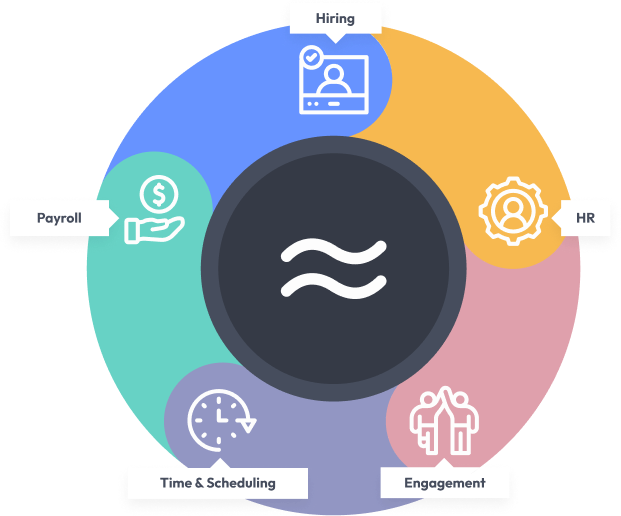

Hiring
Hire better quality workers, faster

HR
Streamline people processes and ensure employee records are always accurate

Engagement
Reduce turnover and increase worker engagement

Time & Scheduling
Manage schedules and hours worked to optimize your labor costs

Payroll
Pay your team quickly, easily, and accurately
resources
Become a hiring and onboarding expert.

Be smart with your hourly workforce
