



How to Hire Sandwich Artists: Step-by-Step Guide to Build Your Restaurant’s Dream Deli Team
Discover the best practices to hire sandwich artists, from crafting job descriptions to onboarding, and build a skilled team for your restaurant’s success.

How to Hire Sandwich Artists: Your Guide to Building a Stellar Sandwich Shop Team
Let’s face it—finding and keeping great sandwich artists can feel like assembling the perfect sub: you need the right ingredients, a dash of speed, and a whole lot of care. Whether you’re running a bustling sandwich shop, a cozy deli, or a franchise location, the process to hire sandwich artists is more competitive than ever. But don’t worry, we’re here to slice through the confusion and help you recruit, onboard, and retain the best sandwich makers in the business. Ready to build a team that keeps customers coming back for more? Let’s get rolling.
Why Hiring the Right Sandwich Artists Matters
The True Cost of Turnover
If you’ve ever lost a great sandwich shop employee, you know the pain—lost productivity, training costs, and the ripple effect on morale. According to industry research on employee turnover costs, losing a front-line worker can cost thousands. And in the restaurant world, turnover rates are notoriously high, sometimes topping 100% annually. That’s a lot of sandwiches—and dollars—slipping through your fingers.
What Makes a Great Sandwich Artist?
Sure, knife skills matter, but so do attitude, reliability, and a knack for customer service. According to research on fast-food hiring, hiring for attitude and training for skill can dramatically reduce turnover. So, next time you’re tempted to focus only on experience, remember: a smile and a willingness to learn go a long way behind the deli counter.
Step-by-Step: How to Hire Sandwich Artists Who Stick Around
1. Write a Job Description That Attracts the Right People
Your job post is your first impression. Highlight what makes your shop unique and what you offer beyond a paycheck. For inspiration, check out these job posting templates for hourly workers and creative tips to make your job ad stand out. Don’t forget to mention perks, flexibility, and growth opportunities—these matter more than you might think, especially to younger workers (see why here).
2. Source Candidates Where They Hang Out
- Social Media: Platforms like Instagram can be surprisingly effective for hourly roles. Learn how to use Instagram to hire hourly workers.
- Job Boards: Don’t underestimate the classics—Indeed, Craigslist, and specialized sites. Here’s a list of the best free job posting sites for hourly roles.
- Employee Referrals: Happy employees often know other reliable folks. Consider an internal referral program (tips on designing referral programs).
3. Screen and Interview Like a Pro
Screening doesn’t have to be a slog. Use hiring automation tools to save time and reduce bias. When it’s time to interview, focus on soft skills, reliability, and cultural fit. For a leg up, try these motivational interviewing techniques and cultural fit interview questions. Remember, a quick, friendly process can reduce no-shows and keep top candidates engaged (more on what hourly workers want).
4. Onboard Fast—But Don’t Skimp on Training
Speed matters, but so does a warm welcome. A strong onboarding process can reduce turnover by half, according to recent onboarding statistics. Use digital tools to streamline paperwork and get new hires up to speed quickly—check out these onboarding templates for ideas. And don’t forget to cover food safety and customer service basics; a well-trained team means fewer headaches down the road (why food handler certificates matter).
5. Offer Benefits and Flexibility—It Pays Off
Benefits aren’t just for big corporations. Even small perks, like flexible schedules or instant pay access, can help you recruit and retain top talent. Learn how companies like Starbucks use benefits to keep their teams happy in this guide to hourly worker benefits. And for a deeper dive, see how instant pay access is changing the game for hourly employees.
Common Pitfalls (And How to Avoid Them)
Ignoring Culture Fit
Ever hired someone with a great resume who just didn’t “get” your shop’s vibe? Culture fit is crucial, especially in small teams. Use these interview questions to spot red flags early.
Slow, Clunky Processes
In this job market, candidates won’t wait around. If your hiring process drags, you’ll lose out. Automated platforms like Workstream can cut time-to-hire in half and keep candidates engaged from start to finish.
Neglecting Employee Engagement
Engaged employees are less likely to leave—and more likely to upsell that extra cookie. For tips on keeping your deli counter server motivated, check out this survey on what makes restaurant employees happy and these ways to boost engagement for hourly teams.
Retaining Your Sandwich Artists: The Secret Sauce
Recognition and Growth
Even part-time sandwich makers want to feel valued. Recognize great work, celebrate milestones (like a 10-year work anniversary), and offer paths for advancement. This isn’t just feel-good stuff—job satisfaction directly impacts turnover.
Scheduling That Works for Everyone
Flexible, predictable schedules are a huge draw. Unstable shifts can drive workers away (see the research). Use digital scheduling tools to give your team more control—just look at how Gap improved employee satisfaction with better scheduling.
Compliance and Recordkeeping
Don’t let paperwork trip you up. Stay on top of wage and hour recordkeeping requirements to avoid costly mistakes. Platforms like Workstream help automate compliance, saving you time and reducing risk.
Conclusion: Build Your Dream Team—And Keep Them
Hiring the right sandwich artists, deli staff, and counter servers isn’t just about filling shifts. It’s about creating a team that’s proud to wear your logo and serve your customers. With streamlined hiring, smart onboarding, and a focus on engagement, you’ll not only fill your roster—you’ll build a workplace people want to stick with. And honestly, isn’t that the best recipe for success?
Curious how technology can help you hire sandwich artists faster and keep them longer? Explore Workstream’s platform or check out these resources for more:
.svg)


All your important HR tasks under one roof
Today’s business owners and HR teams are overwhelmed with administrative tasks: manual processes and exports, duplicative data entry, and siloed information. Workstream centralizes and simplifies people tasks so you can move fast, reduce labor costs, and simplify operations—all in one place.
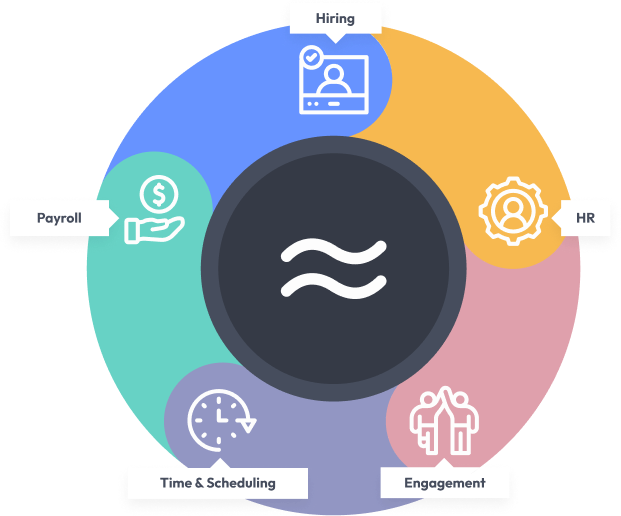

Hiring
Hire better quality workers, faster

HR
Streamline people processes and ensure employee records are always accurate

Engagement
Reduce turnover and increase worker engagement

Time & Scheduling
Manage schedules and hours worked to optimize your labor costs

Payroll
Pay your team quickly, easily, and accurately
resources
Become a hiring and onboarding expert.


Be smart with your hourly workforce
