



How to Hire Yard Workers: Find, Recruit, and Retain Top Yard Crew for Your Business
Discover effective strategies to hire yard workers, streamline your hiring process, and build a reliable landscaping team for your business success.

How to Hire Yard Workers: A Smart Guide for Small Businesses
If you’ve ever tried to hire yard workers—whether for your landscaping business, a busy garden center, or even a multi-unit restaurant with outdoor seating—you know it’s not as simple as sticking a “Help Wanted” sign in the window. The process can feel a bit like herding cats, especially in the spring rush or right before a big event. But don’t sweat it. Let’s break down how to hire yard staff, recruit the best grounds maintenance team, and build a reliable yard crew that keeps your business looking sharp all year long.
Understanding Yard Worker Recruitment: Why It’s Different
Yard worker recruitment is a different beast compared to hiring for indoor roles. You’re looking for people who can handle the elements, work with their hands, and show up ready to tackle whatever Mother Nature throws at them. And let’s be honest, not everyone’s cut out for that. But with the right approach, you can find folks who take pride in a job well done—whether it’s mowing, mulching, or wrangling a leaf blower on a windy day.
What Makes a Great Yard Worker?
- Reliability and punctuality (no one wants to chase down a no-show when the grass is knee-high)
- Physical stamina and willingness to work outdoors
- Attention to detail—those straight mowing lines don’t make themselves
- Teamwork and communication, especially for larger landscaping projects
There’s a reason some fast-food chains keep turnover rates absurdly low: they hire for attitude and train for skill. The same goes for landscaping laborer hiring. You can teach someone to use a trimmer, but you can’t teach them to care about showing up on time.
Common Pitfalls in Yard Crew Staffing
- Seasonal turnover—many yard workers see these jobs as temporary
- Unclear job descriptions (which can lead to mismatched expectations)
- Skipping background checks or reference calls
- Not offering competitive pay or benefits
Want to avoid these headaches? A clear, detailed job post helps set the right expectations. For inspiration, check out these job posting examples tailored for hourly workers.
Where to Find Yard Workers: Recruitment Channels That Work
Let’s be real—yard workers aren’t always scrolling LinkedIn for their next gig. You’ll need to meet them where they are. That means leaning into platforms and strategies that actually reach your target candidates.
Effective Sourcing Strategies
- Craigslist and local job boards—old-school, but still effective for yard crew staffing
- Instagram job postings—show off your company culture and the outdoor work environment
- Employee referrals—sometimes your best workers know other reliable folks looking for similar work
- Community bulletin boards or local events
Don’t forget to expand your digital reach with creative online ads. And honestly, if you’re not using text-based workflows to connect with candidates, you’re missing out on a huge chunk of the hourly workforce who prefer mobile-first communication. That’s where platforms like Workstream shine, letting you automate outreach and interview scheduling so you’re not glued to your inbox all day.
Writing a Standout Job Description
Clarity is king. Spell out the physical requirements, pay range, hours, and any perks (like year-round work or opportunities for advancement). For tips on how to highlight benefits and attract the right candidates, check out these strategies for calling out benefits in job descriptions.
Hiring and Onboarding: Streamlining Your Process
Once you’ve got a stack of applications, it’s time to separate the wheat from the chaff. But how do you do this efficiently—especially if you’re juggling a million other things?
Screening and Interviewing Yard Workers
- Use smart screening questions to weed out folks who can’t handle the physical demands
- Automate interview scheduling—no more endless back-and-forth with candidates
- Consider group interviews for large seasonal crews
- Ask about experience with landscaping equipment, but don’t make it a dealbreaker
For more on structuring interviews that get to the heart of candidate fit, check out these motivational interviewing techniques and cultural fit interview questions.
Onboarding and Training: Set Them Up for Success
Honestly, onboarding is where a lot of small businesses drop the ball. A rushed or confusing first day can send even a good hire running for the hills. Consider using onboarding templates to make sure every new yard worker knows what’s expected, how to stay safe, and who to ask for help.
And don’t forget compliance! Keep accurate records of hours and pay, as required by the U.S. Department of Labor. The right HR platform can save you from costly mistakes and headaches down the line.
Retaining Your Yard Crew: Beyond the Paycheck
Let’s face it—retention is a challenge in any hourly business, but it’s especially tough in landscaping and grounds maintenance. High turnover is expensive, disruptive, and, frankly, exhausting. So, what can you do to keep your best people coming back season after season?
Offer More Than Just a Paycheck
- Provide clear paths for advancement—maybe someone starts as a mower and moves up to crew lead
- Offer flexible scheduling when possible (life happens, right?)
- Recognize hard work—sometimes a simple “thank you” goes a long way
- Consider benefits, even for part-time staff; benefits can boost recruitment and retention in hourly roles
For more on why people leave and how to keep them, check out insights on employee turnover in the service industry and what causes turnover in hospitality. Spoiler: it’s not always about the money.
Use Tech to Stay Connected
Communication is key—whether it’s sharing shift schedules or sending out reminders about safety protocols. Platforms like Workstream let you automate reminders, send announcements, and keep everyone in the loop. That means fewer no-shows and more engaged staff. And, if you ask me, anything that saves you time and stress is worth its weight in gold.
Conclusion: Building a Yard Crew That Grows With You
Hiring and retaining great yard workers isn’t rocket science, but it does take a thoughtful approach. From crafting the right job post to leveraging mobile-first HR tools, every step matters. Remember, the goal isn’t just to fill a spot for the season—it’s to build a team that helps your business thrive, rain or shine.
For more tips on hiring hourly staff, writing standout job postings, and developing great managers, check out our other resources. And if you want to see how Workstream’s all-in-one HR platform can help you cut labor costs, reduce turnover, and save time, reach out to us today. Your next star yard worker could be just a few clicks away.
Related reading:
.svg)


All your important HR tasks under one roof
Today’s business owners and HR teams are overwhelmed with administrative tasks: manual processes and exports, duplicative data entry, and siloed information. Workstream centralizes and simplifies people tasks so you can move fast, reduce labor costs, and simplify operations—all in one place.
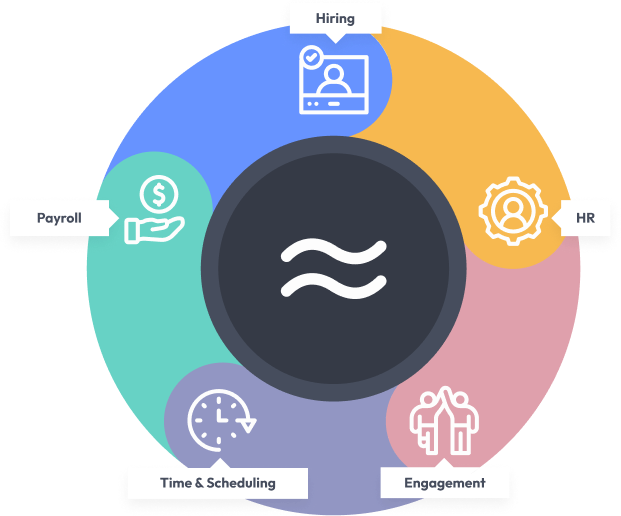

Hiring
Hire better quality workers, faster

HR
Streamline people processes and ensure employee records are always accurate

Engagement
Reduce turnover and increase worker engagement

Time & Scheduling
Manage schedules and hours worked to optimize your labor costs

Payroll
Pay your team quickly, easily, and accurately
resources
Become a hiring and onboarding expert.



Be smart with your hourly workforce
