



How to Hire Visual Merchandisers: Step-by-Step Guide to Build a Top Retail Display Team
Discover expert tips to hire visual merchandisers, streamline your recruitment process, and build a creative team that drives retail sales and enhances in-store customer experiences.

How to Hire Visual Merchandisers: Building a Standout Retail Display Team
Ever walk into a store and feel instantly drawn to a display—like you just have to check out what’s on that table or shelf? That’s the magic of a great visual merchandiser. If you’re looking to hire visual merchandisers who can turn browsers into buyers, you’re in the right place. Let’s break down how to find retail display staff, recruit store merchandisers, and build a visual merchandising team that gets results—without making the process a headache.
Why Visual Merchandisers Matter (More Than You Think)
Visual merchandisers are the unsung heroes of retail. They shape the customer journey, influence buying decisions, and—let’s be honest—make your brand look good. But finding the right people? That’s a whole different ballgame. If you ask me, it’s a blend of art, science, and a dash of intuition.
According to industry research, offering the right benefits and work environment can help you attract and retain top talent, including those in specialized roles like merchandising. And with turnover in retail and hospitality at an all-time high (here’s a deep dive), you can’t afford to get this wrong.
What Does a Visual Merchandiser Actually Do?
- Designs and sets up store displays and windows
- Collaborates with marketing and sales to highlight promotions
- Ensures brand consistency across all visual elements
- Analyzes sales data to tweak displays for better performance
It’s not just about making things look pretty—it’s about driving sales and creating memorable customer experiences. And yes, that means your bottom line gets a boost, too.
How to Find Retail Display Staff Who Get Results
Crafting the Perfect Job Posting
Let’s start with the basics: your job ad. A well-written post can make all the difference. Highlight the creative aspects, the need for attention to detail, and the opportunity to shape the store’s look and feel. For inspiration, check out these job posting examples that attract quality hourly workers.
Don’t forget to call out benefits and growth opportunities—these matter more than ever, especially for hourly and creative roles (tips on highlighting benefits).
Screening and Interviewing: Beyond the Resume
Sure, experience matters, but so does attitude. According to Harvard Business Review, hiring for attitude and training for skill can dramatically reduce turnover. Ask questions that reveal creativity, flexibility, and problem-solving chops. For more ideas, try these cultural fit interview questions and motivational interviewing techniques.
What About Portfolios?
Honestly, a portfolio says more than a resume ever could. Ask candidates to bring photos of past displays or even sketch a mock window for your brand. It’s a quick way to spot real talent—and weed out the folks who just talk a good game.
Recruit Store Merchandisers: Where to Look (and Where Not to)
Finding great merchandisers isn’t just about posting on the usual job boards. Sometimes, the best candidates are hiding in plain sight—maybe they’re working the sales floor, or maybe they’re freelancers looking for steady hours. Here are a few places to start:
- Indeed for Employers—a classic, but still effective
- Instagram and visual platforms—see how to use Instagram to hire creative staff
- Employee referrals—sometimes your best people know other great people
- Industry events and trade shows
And if you want to streamline the process, consider using a platform like Workstream’s hiring automation to move candidates through screening and interviews faster. It’s designed for hourly and creative roles, so you’re not stuck juggling a dozen different tools.
Building and Managing a Visual Merchandising Team
Onboarding: Set the Stage from Day One
A strong onboarding process helps new hires hit the ground running. Use digital tools to handle paperwork and training modules—this isn’t just about compliance, it’s about making folks feel welcome and valued. For a smoother start, check out these onboarding templates and tips for getting onboarding right.
Training and Development: Keep Skills Fresh
Visual trends change fast—one season it’s neon, the next it’s all earth tones. Ongoing training is key. Tap into resources like employee handbooks and effective training session tips to keep your team sharp.
Retention: Don’t Let Your Stars Slip Away
Turnover is expensive—sometimes shockingly so. According to industry data, losing a front-line employee can cost thousands. The good news? A strong culture, clear communication, and recognition go a long way. Learn more about reducing turnover through retention strategies and the real cost of employee turnover.
And don’t forget: flexible scheduling and instant pay access can make your business more attractive to top-tier merchandisers. See how instant pay technology is changing the game for hourly staff.
Hire Display Specialists: Compliance, Payroll, and the Nitty-Gritty
Let’s face it, compliance isn’t anyone’s favorite topic, but it’s critical. You need to keep accurate records, follow wage laws, and ensure a safe workplace. The U.S. Department of Labor has a handy list of what to track. Automating these admin tasks with a platform like Workstream can save you time and headaches—plus, it helps you avoid costly mistakes.
Payroll for hourly visual merchandisers can also get complicated, especially if you’re juggling overtime, split shifts, or seasonal hires. For a practical approach, check out this guide to restaurant payroll (the same principles apply in retail).
Common Pitfalls (and How to Dodge Them)
- Underestimating the importance of onboarding—don’t skip it!
- Ignoring compliance and recordkeeping
- Failing to offer growth and recognition
- Overlooking the value of a diverse team—different perspectives spark creativity
Honestly, if you’re still using spreadsheets and sticky notes to manage your visual merchandising team, it’s time for an upgrade. Modern HR tools can help you reduce turnover, save money, and keep your best people happy.
Conclusion: Make Your Store (and Team) Shine
Hiring visual merchandisers isn’t just about filling a role—it’s about investing in your brand’s future. The right team can transform your space, boost sales, and keep customers coming back for more. And with the right tools and approach, you’ll spend less time on paperwork and more time building a store you’re proud of.
If you’re ready to take the next step, consider exploring Workstream’s hiring automation for hourly and creative roles. It’s built for businesses like yours—no fuss, just results.
Further Reading from Workstream
- Discover how to highlight benefits in job descriptions to attract top talent.
- Explore onboarding templates for a seamless new hire experience.
- Learn about streamlining your hiring process for hourly staff.
- Check out job posting examples that really work.
- See why Indeed for Employers is a smart choice for hiring hourly workers.
.svg)


All your important HR tasks under one roof
Today’s business owners and HR teams are overwhelmed with administrative tasks: manual processes and exports, duplicative data entry, and siloed information. Workstream centralizes and simplifies people tasks so you can move fast, reduce labor costs, and simplify operations—all in one place.
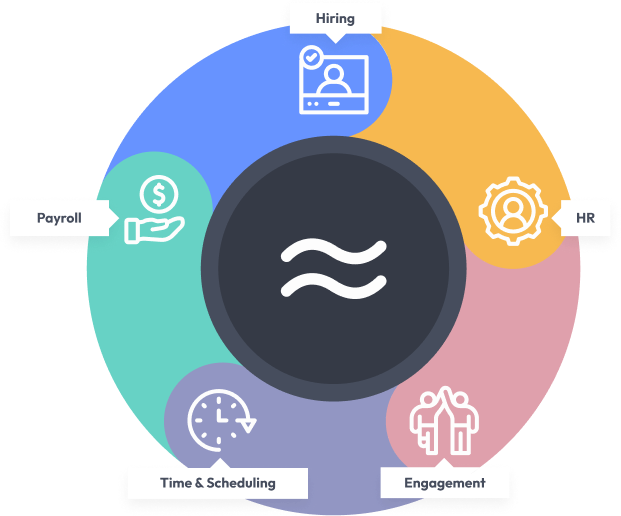

Hiring
Hire better quality workers, faster

HR
Streamline people processes and ensure employee records are always accurate

Engagement
Reduce turnover and increase worker engagement

Time & Scheduling
Manage schedules and hours worked to optimize your labor costs

Payroll
Pay your team quickly, easily, and accurately
resources
Become a hiring and onboarding expert.

Be smart with your hourly workforce
