



How to Hire Managers: Proven Strategies for Restaurants, Franchises, and Small Businesses
Discover the best strategies to hire managers for your restaurant or franchise, including effective recruitment tips, interview techniques, and onboarding best practices.

How to Hire Managers: A Practical Guide for Small Businesses and Franchises
Hiring the right managers can make or break your business. Whether you’re hoping to hire restaurant managers, recruit store supervisors, or find franchise managers, the process can feel a bit like searching for a needle in a haystack—except the haystack is on fire and you’re on a deadline. But don’t worry, you’re not alone. Let’s break down what works, what doesn’t, and how you can make your next management hire your best yet.
Why Great Managers Matter (And Why They’re So Hard to Find)
Let’s be honest—managers are the glue that holds your operation together. They set the tone, keep the team on track, and handle the curveballs that come flying in every shift. If you’ve ever tried to replace a manager in a hurry, you know the pain. High turnover in management can send your labor costs through the roof and tank morale faster than a summer thunderstorm ruins a backyard BBQ.
According to Modern Restaurant Management, losing a front-line employee is costly, but losing a manager? That’s a whole new ballgame. The cost of turnover for managers can reach up to 200% of their annual salary. And with the hospitality industry seeing some of the highest turnover rates, it’s no wonder business owners are scrambling for solutions.
So, what’s the secret sauce? It’s about more than just filling a seat. The best managers are culture builders, problem solvers, and motivators. They’re the ones who can turn a rough shift into a win and keep your team coming back for more.
Where to Start: Sourcing and Attracting Top Management Talent
Defining the Role: More Than a Job Title
Before you can hire managers, you need to know exactly what you’re looking for. Start with a clear, compelling job description. Not sure what to include? Check out these tips for writing effective handbooks and job posting examples that actually attract quality candidates.
Don’t forget to highlight what makes your business unique—your values, your culture, and the perks that matter. According to DoorDash’s research on benefits, offering competitive benefits is a game-changer in attracting management talent. Even small perks, like flexible scheduling or instant pay access, can set you apart. (And yes, instant pay access is a real thing—and managers love it.)
Where to Look: Casting a Wider Net
Gone are the days when a “Help Wanted” sign in the window would do the trick. Today, you need to meet candidates where they are—online. Platforms like Indeed and even Instagram can help you reach a broader pool. Don’t overlook referrals, either. Your current team can be a goldmine of leads if you just ask.
For franchise owners or those looking to find franchise managers, industry-specific job boards and local business networks can be especially fruitful. And if you’re looking for a little extra help, automation tools like Workstream can streamline the process, helping you screen and schedule interviews without drowning in paperwork.
Screening, Interviewing, and Selecting the Right Fit
Screening for Skills and Culture Fit
Let’s be real—resumes only tell you so much. The best managers have the right mix of experience, people skills, and that intangible “it” factor. Use structured interview questions to dig deeper. Not sure where to start? These cultural fit interview questions and motivational interviewing techniques can help you spot the real gems.
Don’t forget to check references and, if possible, give candidates a chance to shadow a shift. Sometimes, you can learn more from how someone handles a busy lunch rush than from any interview answer.
Common Pitfalls: What to Watch Out For
- Rushing the process: It’s tempting to fill the role fast, but hiring the wrong manager is way more expensive than waiting for the right one.
- Ignoring red flags: Trust your gut. If something feels off during the interview, it probably is.
- Overlooking internal talent: Sometimes your next great manager is already on your team. Promote from within when you can—it builds loyalty and cuts down on ramp-up time.
Onboarding and Retaining Your New Managers
Onboarding: Setting Up for Success
Once you hire shift leaders or managers, don’t just toss them the keys and hope for the best. A structured onboarding process is crucial. According to Forbes, effective onboarding increases retention and performance. Use digital tools to streamline paperwork and training—Workstream’s onboarding templates are a great starting point.
Be sure to cover everything from company policies to your unique brand of customer service. And don’t forget to set clear expectations for the first 30, 60, and 90 days. This gives new managers a roadmap and helps you spot any issues early.
Retention: Keeping Your Managers Engaged
If you ask me, keeping great managers is just as important as hiring them. The Harvard Business Review points out that engagement is key to retention, especially for younger workers. Offer growth opportunities, regular feedback, and recognition for a job well done. Even a simple “thank you” can go a long way—no need for a parade every week, but don’t let good work go unnoticed.
And don’t forget the basics: fair pay, flexible scheduling, and a healthy work-life balance. If you’re not sure how your compensation stacks up, check out these hourly wage comparisons and see how you measure up.
Tools and Tech: Making Hiring Easier (and Cheaper)
Let’s face it, nobody wants to spend all day buried in paperwork. That’s where platforms like Workstream come in. By automating repetitive tasks—like screening, scheduling, and onboarding—you can cut your time-to-hire in half and reduce turnover by as much as 50%. That’s not just a sales pitch; it’s backed by real-world numbers from franchisees and small business owners who’ve made the switch.
Plus, with everything in one place—hiring, onboarding, scheduling, payroll—you’re less likely to let something slip through the cracks. And with compliance tools built in, you can avoid those nasty surprises from the Department of Labor. (Trust me, nobody wants that kind of mail.)
Conclusion: Building a Stronger Team, One Manager at a Time
Hiring managers isn’t just about filling a role—it’s about building the future of your business. Take the time to define what you need, use the right tools, and invest in onboarding and retention. Your team—and your bottom line—will thank you. And if you’re ready to make your hiring process smoother, faster, and a whole lot less stressful, Workstream’s hiring automation might just be your new secret weapon.
Further Reading and Resources
- What Makes Restaurant Employees Happy
- How One Fast-Food Chain Keeps Its Turnover Rates Absurdly Low
- Causes of Employee Turnover in Hospitality
- How to Fix High Restaurant Employee Turnover
- What Companies Can Do Better for Hourly Workers
- Restaurant hiring: What you need to know
- Tips for Calling Out Benefits in Your Job Descriptions
- Creative Tips to Make Your Job Posting Stand Out
- 7 Qualities of a Great General Manager
- 11 Best Free Job Posting Sites
.svg)


All your important HR tasks under one roof
Today’s business owners and HR teams are overwhelmed with administrative tasks: manual processes and exports, duplicative data entry, and siloed information. Workstream centralizes and simplifies people tasks so you can move fast, reduce labor costs, and simplify operations—all in one place.
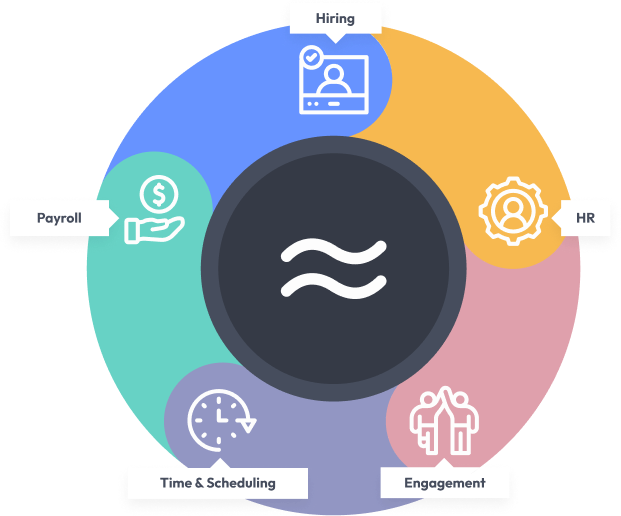

Hiring
Hire better quality workers, faster

HR
Streamline people processes and ensure employee records are always accurate

Engagement
Reduce turnover and increase worker engagement

Time & Scheduling
Manage schedules and hours worked to optimize your labor costs

Payroll
Pay your team quickly, easily, and accurately
resources
Become a hiring and onboarding expert.

Be smart with your hourly workforce
