



How to Hire Loss Prevention Officers: Step-by-Step Tips for Effective Recruitment and Onboarding
Learn how to hire loss prevention officers with our step-by-step guide. Discover key tips for recruiting, interviewing, and onboarding the best candidates for your team.

How to Hire Loss Prevention Officers: A Practical Guide for Small Businesses
Let’s be honest—if you run a retail store, restaurant, or any business with valuable inventory, you’ve probably lost sleep over theft or shrinkage. Hiring the right loss prevention officers isn’t just about locking doors; it’s about building trust, protecting your bottom line, and giving your team peace of mind. So, how do you hire loss prevention officers who actually make a difference? Grab a cup of coffee and let’s walk through it together.
Why Hiring the Right Loss Prevention Officers Matters
Here’s the thing: loss prevention isn’t just about catching shoplifters. It’s about creating a culture of security and accountability. The cost of employee turnover and theft can quietly eat away at profits, especially for small businesses. According to industry reports, turnover and loss can add up to tens of thousands of dollars every year. That’s money better spent on growth, right?
And let’s not forget—your customers and employees want to feel safe. When you hire security staff who are well-trained and reliable, you’re sending a message: “We care about your safety and our business.”
Understanding the Role: What Do Loss Prevention Officers Actually Do?
Before you start your loss prevention officer recruitment, get clear on what you need. These folks aren’t just security guards. They:
- Monitor surveillance systems and identify suspicious behavior
- Conduct internal investigations (sometimes it’s not just customers causing loss)
- Work with law enforcement when necessary
- Train staff on theft prevention and safety protocols
Honestly, it’s a role that blends observation, communication, and sometimes a bit of detective work. If you ask me, finding someone who’s both vigilant and approachable is key.
Building a Strong Recruitment Strategy
Where to Find Great Candidates
Let’s face it—posting a generic job ad isn’t going to cut it. To recruit loss prevention officers who fit your culture, you need to get a little creative. Consider these approaches:
- Leverage specialized job boards and digital recruiting strategies to reach candidates with security backgrounds.
- Ask for referrals from trusted employees or industry contacts—sometimes the best hires come from word-of-mouth.
- Connect with local law enforcement or military veterans’ groups. Many have members looking for civilian security roles.
- Highlight your company’s commitment to safety and employee well-being in your job postings. Candidates want to know they’ll be supported.
For inspiration on writing compelling job ads, check out these job posting examples and creative tips for job postings.
Screening and Interviewing: What to Look For
Screening candidates for a security officer recruitment process isn’t just about checking for a clean record (though that’s important!). You want someone who’s:
- Observant and detail-oriented
- Calm under pressure—panic never solved a security issue
- Good at communicating with both customers and colleagues
- Comfortable with technology (think cameras, access control systems, and digital logs)
Consider using pre-employment assessments to measure relevant skills. And don’t forget to ask cultural fit interview questions—after all, you want someone who works well with your team.
If you’re pressed for time, a platform like Workstream’s hiring automation can help you screen candidates faster and reduce time-to-hire by half. That’s not just a claim—real businesses have seen these results.
Onboarding and Training: Setting Up for Success
Why Onboarding Matters (More Than You Think)
Here’s a little secret: even the best hire can flounder without proper onboarding. According to industry stats, effective onboarding can boost retention and performance. For loss prevention officers, this means:
- Clear training on your store’s policies and procedures
- Hands-on practice with your security systems
- Regular check-ins during those crucial first weeks
For a smooth process, try using onboarding templates and mobile-friendly digital forms. Workstream’s onboarding tools can help you reduce onboarding time from hours to minutes, keeping things efficient and compliant.
Compliance and Recordkeeping: Don’t Skip This Step
It might sound dry, but getting your paperwork in order is non-negotiable. The U.S. Department of Labor requires accurate records for all employees—including time worked and wages paid. Automated HR platforms can help you keep everything organized and up to date, minimizing the risk of costly mistakes.
Retention and Engagement: Keeping Your Team Motivated
Reducing Turnover: Why It’s a Game Changer
Turnover is expensive—no two ways about it. The real cost of employee turnover can be staggering, especially when you factor in lost productivity and training costs. To keep your best loss prevention officers around, focus on:
- Offering competitive pay and benefits (benefits matter more than you think)
- Providing opportunities for growth and additional training
- Recognizing great performance—sometimes a simple thank you goes a long way
- Maintaining a positive work environment (nobody wants to work somewhere they feel unappreciated)
For more on keeping your team engaged, see these strategies for engaging hourly workers and tips to reduce turnover.
Leveraging Technology for Better Engagement
Modern HR platforms like Workstream offer communication tools, automated reminders, and easy access to schedules and pay info. These features don’t just save time—they help your team feel connected and valued. And when employees feel valued, they stick around. Simple as that.
Common Pitfalls and How to Avoid Them
- Rushing the hiring process—slow down and check those references!
- Neglecting training—don’t assume everyone knows your systems
- Ignoring culture fit—skills matter, but attitude is everything
- Forgetting compliance—one missed form can lead to headaches down the road
Honestly, we’ve all made at least one of these mistakes. The good news? With the right tools and a little planning, you can sidestep most of them.
Conclusion: Building a Safer, Stronger Business
Hiring loss prevention officers isn’t just about plugging a leak—it’s about building a foundation of trust and security for your business. Take the time to hire loss prevention officers who fit your needs, invest in their training, and use technology to keep everyone connected. The result? Lower turnover, reduced losses, and a team that feels supported—now that’s a win-win.
If you’re looking for a partner to help streamline your loss prevention officer recruitment and HR processes, Workstream’s platform is built for hourly businesses just like yours. Ready to make hiring easier? You know where to find us.
Further Reading on Workstream
- Learn how restaurant hiring can be streamlined with automation
- Explore tips for calling out benefits in job descriptions
- Discover traits of committed employees for better retention
- Find out how onboarding templates can improve your new hire experience
- See how hiring automation can save you time and money
.svg)


All your important HR tasks under one roof
Today’s business owners and HR teams are overwhelmed with administrative tasks: manual processes and exports, duplicative data entry, and siloed information. Workstream centralizes and simplifies people tasks so you can move fast, reduce labor costs, and simplify operations—all in one place.
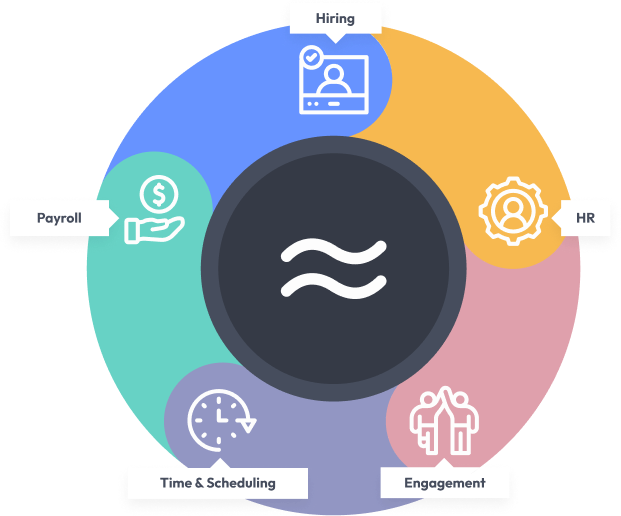

Hiring
Hire better quality workers, faster

HR
Streamline people processes and ensure employee records are always accurate

Engagement
Reduce turnover and increase worker engagement

Time & Scheduling
Manage schedules and hours worked to optimize your labor costs

Payroll
Pay your team quickly, easily, and accurately
resources
Become a hiring and onboarding expert.



Be smart with your hourly workforce
