



How to Hire Stock Clerks: Step-by-Step Guide to Build Your Restaurant Team
Discover the best practices to hire stock clerks for your restaurant, from writing job descriptions to screening candidates and onboarding efficiently.

How to Hire Stock Clerks: A Practical Guide for Small Business Owners
Ever feel like your backroom is a black hole, swallowing up inventory and spitting out confusion? If you’re running a restaurant, retail shop, or any business that relies on keeping shelves stocked and customers happy, you know that hiring the right stock clerks can make or break your operation. Let’s roll up our sleeves and get into the nuts and bolts of how to hire stock clerks who keep your business humming, your inventory under control, and your stress level a notch lower.
Why Stock Clerks Matter (And Why It’s Hard to Find Good Ones)
Let’s be honest: stock clerks are the unsung heroes of any business that deals with physical goods. They’re the first line of defense against stockouts, lost inventory, and—let’s not sugarcoat it—chaos in the backroom. But finding reliable people for these roles isn’t always a walk in the park. High turnover, tough hours, and the physical nature of the job can make it a revolving door position.
According to industry research, turnover in roles like stockroom clerk and inventory control can cost businesses thousands every year. In fact, employee turnover in restaurants and retail is a notorious profit killer. So, what’s the secret sauce to recruit inventory staff who stick around and actually care about your business?
Step-by-Step: How to Hire Stock Clerks Who Actually Show Up
Write a Job Description That Attracts the Right People
First things first: your job ad needs to speak to the right candidates. Be clear about the physical requirements, hours, and any perks you offer. If you’re not sure where to start, check out these job posting examples for inspiration. Highlight growth opportunities, flexible shifts, or even instant pay access if you offer it—these details matter more than you think.
And don’t forget, calling out benefits is a game-changer. According to DoorDash’s research, benefits are a huge draw for hourly workers. Even small perks can tip the scales in your favor.
Source Candidates Where They Actually Are
Gone are the days when a “Help Wanted” sign in the window did the trick. Today, you need to meet candidates where they hang out—think Instagram, Indeed, and even Craigslist. If you want to find stock clerks fast, consider using a hiring platform like Workstream that automates posting across multiple job boards and screens applicants for you. Honestly, if you’re still sorting through paper resumes, you’re working way too hard.
- Digital recruiting strategies can broaden your reach.
- Consider employee referrals—sometimes your best new hire is a friend of your best current employee.
- Don’t overlook local community boards or Facebook groups, especially if you’re in a smaller town.
Screen for the Right Skills—And Attitude
Sure, experience helps, but attitude is everything. As Harvard Business Review points out, hiring for attitude and training for skill can keep your turnover rates absurdly low. Look for candidates who are detail-oriented, reliable, and not afraid to get their hands dirty. A quick phone screen or a set of cultural fit interview questions can help you spot red flags early.
If you want to go deeper, consider pre-employment assessments to test for basic math, organization, or physical stamina—whatever matters most for your operation.
Streamline Onboarding and Training
Once you’ve made a hire, don’t just toss them into the stockroom and hope for the best. A structured onboarding process—like the ones outlined in these onboarding templates—can reduce confusion and help new hires ramp up faster. Remember, the faster they’re up to speed, the sooner your inventory headaches disappear.
And if you’re worried about compliance or paperwork, a digital onboarding system (like Workstream’s mobile-friendly platform) can save hours and keep you out of legal hot water. No one wants to deal with fines for missing wage records—just ask the Department of Labor.
Retention: Keeping Your Inventory Staff Happy (and On the Payroll)
Why Stockroom Staff Leave—and How to Keep Them
Let’s face it, stockroom jobs can be tough. According to Harver’s research, burnout, lack of recognition, and poor scheduling are top reasons for turnover. Want to keep your inventory control team happy? Here’s what actually works:
- Offer flexible scheduling—let folks swap shifts or pick up extra hours when they need cash.
- Recognize good work, even if it’s just a shout-out at the team meeting or a free coffee.
- Invest in technology that makes their job easier, like mobile scheduling apps or digital inventory tracking.
- Provide clear paths for advancement—no one wants to feel stuck forever.
And don’t forget, reducing turnover isn’t just about warm fuzzies. Modern Restaurant Management reports that the cost of losing a single hourly employee can top $5,000 when you add up lost productivity, training, and recruitment costs. Ouch.
Compliance and Legal Details: Don’t Skip the Fine Print
Here’s the thing: hiring and managing stock clerks means dealing with wage laws, overtime rules, and sometimes even union contracts. Make sure you’re up to speed on required recordkeeping and that your payroll system can handle hourly calculations without breaking a sweat. If you’re not sure where to start, this guide breaks down the basics between hourly and salaried roles.
And, if you’re looking to save on lawsuits and fees (who isn’t?), automating compliance with tools like Workstream can save up to $25K a year—money better spent on growing your business, not fighting legal battles.
Modern Tools for Modern Problems: Why Workstream Makes Sense
If you ask me, the days of juggling spreadsheets, sticky notes, and endless group texts are behind us. Platforms like Workstream let you handle everything from hiring automation to onboarding, scheduling, and even instant pay access for your team. You’ll cut your time-to-hire in half, reduce turnover, and—maybe best of all—get a few hours of your life back each week.
And let’s not forget, with AI-powered screening and 24/7 availability, you can find stock clerks even while you’re catching up on sleep or watching the big game. Now, who wouldn’t want that?
Conclusion: Hiring Stock Clerks Doesn’t Have to Be a Headache
So, there you have it. Hiring and keeping great stock clerks is part art, part science, and a little bit of luck. But with the right approach—and the right tools—you can turn your inventory chaos into a well-oiled machine. Remember to write clear job ads, source candidates where they are, screen for attitude, and use digital tools to speed up onboarding and compliance. And if you’re ready to make things even easier, check out Workstream’s platform for a one-stop solution.
Here’s to fewer headaches, happier staff, and shelves that are always stocked. Because honestly, isn’t that what we’re all after?
More Resources for Smarter Hiring
- Learn how Dunkin’ franchisees improved hiring with Workstream
- Explore tips for highlighting benefits in job descriptions
- Discover key hiring and firing statistics to inform your strategy
- Find out how to spot committed employees
- Check out creative tips to make your job posting stand out
.svg)


All your important HR tasks under one roof
Today’s business owners and HR teams are overwhelmed with administrative tasks: manual processes and exports, duplicative data entry, and siloed information. Workstream centralizes and simplifies people tasks so you can move fast, reduce labor costs, and simplify operations—all in one place.
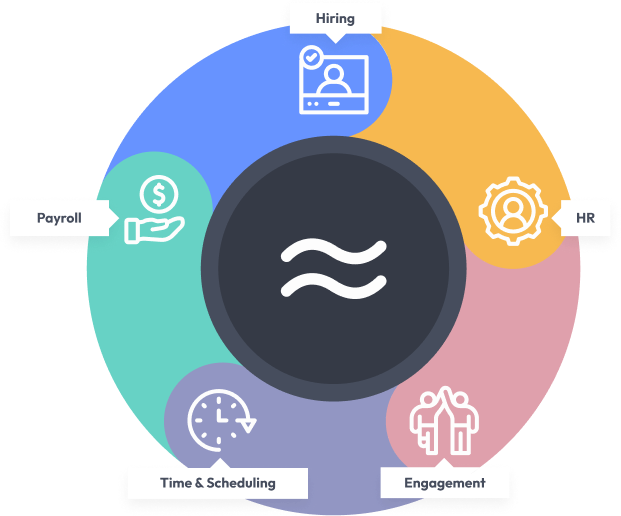

Hiring
Hire better quality workers, faster

HR
Streamline people processes and ensure employee records are always accurate

Engagement
Reduce turnover and increase worker engagement

Time & Scheduling
Manage schedules and hours worked to optimize your labor costs

Payroll
Pay your team quickly, easily, and accurately
resources
Become a hiring and onboarding expert.


Be smart with your hourly workforce
