



How to Hire Certified Nurse Midwifes: Streamline Your Midwifery Staffing Process
Streamline how you hire certified nurse midwifes with Workstream’s all-in-one platform—automate recruitment, onboarding, and compliance for faster, more efficient midwifery staffing.

How to Hire Certified Nurse Midwives: A Practical Guide for Small Business Owners
Looking to hire certified nurse midwives for your clinic, birthing center, or healthcare business? You’re not alone—demand is up, and finding the right fit can feel a bit like searching for a needle in a haystack. But with the right approach (and a little patience), you can build a team that delivers compassionate, expert care and keeps your business thriving.
The Role of Certified Nurse Midwives—and Why They Matter
Let’s start with the basics. Certified nurse midwives (CNMs) are advanced practice nurses trained to provide prenatal, delivery, postpartum, and primary care services to women. They’re licensed, credentialed, and often the backbone of women’s health services in communities large and small.
If you ask me, hiring nurse midwives isn’t just about filling a staffing gap—it’s about investing in better outcomes for your patients and your bottom line. According to American Staffing Association data, effective midwifery staffing can improve patient satisfaction and reduce unnecessary interventions. That’s a win-win.
Historic Perspective: From Home Births to Modern Clinics
Midwifery has deep roots in American healthcare—think frontier days and home births—but today’s certified nurse midwives are highly educated professionals. Their training covers everything from labor support to prescribing medications. For small business owners, this means you’re recruiting top-tier talent with broad expertise.
How to Recruit Certified Midwives: Getting Started
So, what’s the secret sauce for certified midwife recruitment? Here’s the thing: it’s not just about posting a job ad and hoping for the best. Success comes from understanding what CNMs value and how to reach them where they are.
- Craft a compelling job description: Focus on growth opportunities, work-life balance, and your unique culture. For inspiration, check out these job posting examples.
- Highlight benefits and flexibility: The impact of benefits on recruitment is well-documented—midwives want fair pay, good health coverage, and supportive scheduling.
- Use digital tools for reach: Platforms like Workstream help automate outreach, screening, and interview scheduling—saving you hours per hire.
- Tap into professional networks: Don’t underestimate word-of-mouth or referrals from current staff. Sometimes the best candidates come from a simple conversation at a local conference.
Common Pitfalls in Midwifery Staffing
Honestly, even seasoned HR pros trip up here. Watch out for:
- Slow response times: Top candidates won’t wait around. Automated workflows (like those from Workstream’s hiring automation) can cut time-to-hire by half.
- Poor onboarding: A rushed or clunky onboarding process drives turnover. Explore these employee onboarding statistics to see why first impressions matter.
- Lack of compliance: Healthcare is heavily regulated—ensure you’re up-to-date on licensure and documentation. For guidance, see Department of Labor recordkeeping requirements.
Building a Midwifery Team That Stays: Retention & Culture
You’ve managed to recruit certified midwives—now what? Retaining them is just as crucial as hiring. High turnover costs more than you might think; according to industry research on turnover costs, losing skilled staff can set your business back tens of thousands of dollars per year.
Cultivating Engagement and Satisfaction
- Create a supportive environment: Use tools like Axonify Communications to keep your team connected and informed.
- Offer growth opportunities: Encourage continuing education and certification—midwives value professional development.
- Recognize achievements: Celebrate milestones with ideas from this work anniversary guide.
- Listen actively: Foster open communication channels; sometimes all it takes is asking “What would make your job better?”
If you’re curious about what truly drives retention, take a look at this talent retention study. Spoiler alert: it’s not always about money—sometimes it’s about feeling valued and heard.
The Tech Edge: Streamlining Midwifery Staffing with Workstream
I’d be remiss if I didn’t mention how much technology has changed the game. With platforms like Workstream’s integrated HR suite, you can manage everything from digital onboarding to compliant payroll—all in one place. That means less paperwork, more time with patients, and fewer headaches for everyone involved.
The numbers don’t lie: businesses using smart hiring automation have seen turnover drop by half and saved up to $25K a year on compliance issues alone. If that doesn’t make you want to rethink your process, I don’t know what will!
Navigating Legal & Compliance Issues in Certified Midwife Recruitment
Disclaimer: This isn’t legal advice—always consult a qualified attorney or HR specialist for your specific situation.
The legal landscape for hiring nurse midwives is complex. You’ll need to verify credentials, maintain proper records, and stay compliant with state and federal regulations. For benchmarking HR practices, see SHRM’s certification resources.
- Credential verification: Ensure every CNM holds an active license and has completed accredited training.
- Background checks: Follow all applicable laws regarding employment screening.
- Documentation: Keep meticulous records—this protects both your business and your staff in case of audits or disputes.
- Diversity & inclusion: Embrace diverse backgrounds; inclusive teams often outperform homogenous ones (learn more about robust retention strategies).
If compliance feels overwhelming (and let’s be honest, sometimes it does), consider leveraging digital solutions that automate recordkeeping—saving time and reducing costly errors.
The Bottom Line: Why Smart Midwifery Staffing Pays Off
The decision to hire certified nurse midwives is more than just a staffing move—it’s an investment in your business’s future.
The right team can boost patient satisfaction, reduce costly turnover, and help your practice stand out in a crowded market. And with tools like Workstream’s platform, you’ll spend less time buried in paperwork and more time building relationships—with both your staff and your clients.
If you’re ready to recruit certified midwives who stick around for the long haul, remember: clarity, speed, and compassion go a long way. And don’t forget to celebrate those small wins along the way—sometimes that’s what keeps everyone coming back day after day.
Want More Tips?
.svg)


All your important HR tasks under one roof
Today’s business owners and HR teams are overwhelmed with administrative tasks: manual processes and exports, duplicative data entry, and siloed information. Workstream centralizes and simplifies people tasks so you can move fast, reduce labor costs, and simplify operations—all in one place.
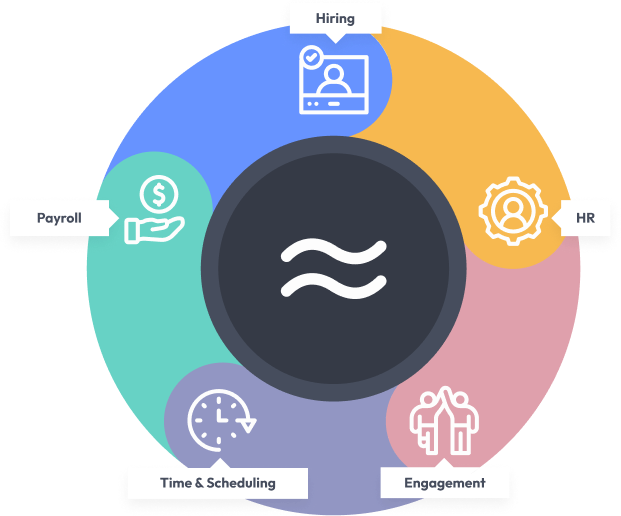

Hiring
Hire better quality workers, faster

HR
Streamline people processes and ensure employee records are always accurate

Engagement
Reduce turnover and increase worker engagement

Time & Scheduling
Manage schedules and hours worked to optimize your labor costs

Payroll
Pay your team quickly, easily, and accurately
resources
Become a hiring and onboarding expert.



Be smart with your hourly workforce
