



How to Hire Assistant Store Managers: A Practical Guide for Small Business Owners
Discover proven strategies to hire assistant store managers who fit your culture, streamline operations, and drive business growth with Workstream.

How to Hire Assistant Store Managers: A Practical Guide for Small Business Owners
If you ask me, finding the right assistant store manager can feel a bit like searching for a needle in a haystack, especially when you’re juggling a million other tasks. But here’s the thing: assistant store managers are the backbone of your daily operations. They keep the wheels turning, the staff motivated, and customers coming back. So, how do you hire assistant store managers who truly fit your business? Let’s break it down, with a few detours into what really matters for store management today.
The Role of the Assistant Store Manager: More Than Just a Title
Before you rush to post that job ad, it’s worth pausing for a moment to define exactly what you need from your next assistant store manager position. The job is about more than covering shifts or handling the register. It’s about leadership, reliability, and—let’s be honest—a bit of grit.
What Makes an Outstanding Assistant Store Manager?
- People Skills: They’re the glue that holds your team together. If you want more insight, check out these key traits of top-performing managers.
- Operational Know-How: From inventory to scheduling, they need to know the ropes. See how technology is changing the game in employee scheduling.
- Adaptability: Retail and restaurants move fast—your managers must keep up.
- Trustworthiness: You’re handing over keys (literally and figuratively). Make sure they’re up for it.
If you want to go deeper on crafting the right job description, try these job description resources. And don’t forget to highlight perks and growth opportunities—these matter more than ever, as shown in this DoorDash report on benefits and retention.
How to Find Store Managers Who Fit Your Culture
Let’s face it: culture fit is just as important as skills. A mismatch can cost you time, money, and even team morale. So how do you find store managers who’ll stick around?
Sourcing and Screening Candidates
- Leverage Modern Tools: Platforms like Workstream’s hiring automation can help you reach more qualified candidates faster.
- Think Beyond the Resume: Use cultural fit interview questions to dig into values and attitude.
- Tap into Social Media: Posting jobs on Instagram isn’t just for influencers—see how it works in this Instagram hiring guide.
- Employee Referrals: Sometimes your best future manager is already on your team or in their network.
If you’re struggling to find candidates, you’re not alone. The hospitality industry especially faces high turnover and fierce competition, as highlighted in this deep dive into hospitality turnover causes. Consider using digital recruiting strategies from resources like Monster’s digital recruiting tips, or explore proactive sourcing advice at Mitratech.
The Interview: More Than Just “Tell Me About Yourself”
- Behavioral Interviewing: Use the STAR method guide to assess real-world problem solving.
- Motivational Questions: Try these motivational interviewing techniques for deeper insights.
- Scenario-Based Questions: Ask about handling tough customers or sudden staff shortages—real situations they’ll face on the job.
If you want creative inspiration for your job ads, these recruitment ad examples might spark some ideas.
The Hiring Process: Streamlining & Staying Compliant
The process to recruit assistant store managers shouldn’t be a slog—or a compliance nightmare. Streamlining saves you headaches, time, and money (and who doesn’t want that?). Here’s how to keep things moving smoothly while staying on the right side of the law.
Simplifying with Technology (and Why It Matters)
- Automate Screening & Scheduling: Tools like Workstream’s hiring automation suite can cut your time-to-hire in half and reduce costly turnover.
- Digital Onboarding: Don’t waste hours on paperwork—use these onboarding templates to get new hires up to speed quickly.
- Mobile-Friendly Processes: Today’s workforce expects everything on their phone. Make it easy for them—and yourself.
- Compliance Tools: Accurate recordkeeping is non-negotiable. Brush up on requirements at the U.S. Department of Labor recordkeeping page.
If you’re curious about onboarding and training best practices for hourly employees, this resource has some excellent pointers: Onboarding and Training Best Practices for Hourly Employees.
A Quick Note on Legal Compliance (Don’t Skip This!)
This article is not legal advice—always consult a qualified professional for your specific situation.
- Wage Laws: Know your state and federal requirements for overtime, breaks, and pay rates. For more on wage compliance, see this hourly workforce pay guide.
- Diversity & Inclusion: Be mindful of anti-discrimination laws in your hiring process.
- Document Everything: Keep records of interviews, offers, and onboarding steps. It’s not just smart—it’s required in many cases.
The Secret Sauce: Retaining Great Assistant Store Managers
You’ve hired a fantastic assistant manager. Now what? Retention is half the battle—and losing a manager can cost thousands in turnover expenses (here’s a breakdown of those costs). So how do you keep your best people engaged?
Cultivating Engagement & Growth Opportunities
- Create Clear Paths for Advancement: Ambitious managers want to grow. Show them how with resources like this guide on talent management and rewards study.
- Offer Flexibility Where Possible: Flexible scheduling is a huge driver of retention—explore why in this article on the impact of schedules on hourly workers’ mental health.
- Acknowledge Achievements: Celebrate milestones! For ideas, see this guide on celebrating work anniversaries: 10 Year Work Anniversary Guide.
- Cultivate a Positive Culture: Happy teams perform better—work on improving employee engagement at the workplace.
If you want more strategies for reducing turnover, check out this detailed resource from SHRM: How to Reduce Employee Turnover Through Robust Retention Strategies.
A Few Final Thoughts (and Where Workstream Fits In)
If you’ve made it this far, you know hiring assistant store managers isn’t just about filling a spot—it’s about building a resilient business. Honestly, there will be bumps along the way (who hasn’t had a new hire ghost them?). But with modern tools like Workstream’s all-in-one HR platform, you can streamline everything from recruiting to onboarding to payroll—saving time, money, and maybe even your sanity.
You don’t have to take my word for it—see how other businesses are using technology to improve their hiring process in these stories: Dunkin' Franchisee Improved Hiring & Applicant Experience, Five Guys Expansion Story, and Taco Bell's Innovation Journey.
If you’re ready to make your next hire—or just want to learn more—explore these resources:
- Best Job Posting Examples for Hourly Workers
- Creative Tips for Job Postings
- Find Hourly Workers with Workstream
- Contact Workstream for Support or Demo Requests
- About Workstream: Our Mission & Team
- Guide to HRIS Certification & HR Tech Trends
- 4 Factors for High Turnover Rate in Assisted Living (and How to Fix Them)
- 10 Must-Know Hiring & Firing Statistics
- Salary vs Hourly: Which Should You Hire?
- 5 Traits of Committed Employees (and How to Spot Them)
- Restaurant Sanitation Tips for Managers
- How to Part Ways with an Employee (Gracefully)
- Setting SMART Goals for Your Restaurant Team
- Human Capital Management Jobs Explained
- Brian Lim's Shark Tank Success Story (for Inspiration)
- Hire a Barber with Workstream ATS
- Hire a Nail Technician with Workstream ATS
- Hire a Tailor with Workstream ATS
- Hire an Auto Mechanic with Workstream ATS
- Hire a Carpenter with Workstream ATS
If you’re still wondering how to hire assistant store managers who’ll stick around and help your business thrive, remember: it’s part science, part art—and a dash of good old-fashioned persistence. Good luck out there!
.svg)


All your important HR tasks under one roof
Today’s business owners and HR teams are overwhelmed with administrative tasks: manual processes and exports, duplicative data entry, and siloed information. Workstream centralizes and simplifies people tasks so you can move fast, reduce labor costs, and simplify operations—all in one place.
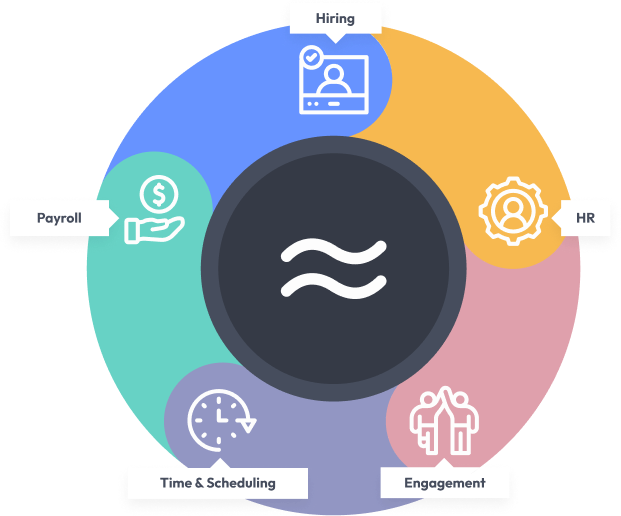

Hiring
Hire better quality workers, faster

HR
Streamline people processes and ensure employee records are always accurate

Engagement
Reduce turnover and increase worker engagement

Time & Scheduling
Manage schedules and hours worked to optimize your labor costs

Payroll
Pay your team quickly, easily, and accurately
resources
Become a hiring and onboarding expert.

Be smart with your hourly workforce
