



How to Hire Logistics Managers: Expert Tips for Small Business Success and Streamlined Hiring
Discover expert strategies to hire logistics managers efficiently. Learn tips for small businesses to attract, evaluate, and onboard top logistics talent to streamline operations.

How to Hire Logistics Managers: A Practical Guide for Small Businesses
If you’ve ever tried to hire logistics managers for your small business, you know it’s a bit like finding a needle in a haystack—except the haystack is moving, and the needle just got a better offer across town. Logistics keeps your business humming, whether you’re running a bustling restaurant group or a regional delivery service. But how do you actually recruit logistics managers who’ll stick around and make a difference? Let’s break it down, with a few digressions and plenty of real-world advice.
Why Logistics Managers Matter (And Why Hiring Them Is Tricky)
Logistics managers are the unsung heroes of the supply chain. They juggle inventory, coordinate shipments, and keep your operations running like clockwork. But here’s the catch—turnover in logistics and related hourly roles is notoriously high, which can cost your business big time. According to the Michelin Guide, high turnover rates in the restaurant and hospitality industry can cripple efficiency and morale. And let’s be honest, nobody wants to deal with the headache of constantly retraining new supervisors.
So, what’s making it so tough to recruit logistics managers? Well, the competition is fierce, and the skill set is unique—part operations guru, part people manager, part firefighter (the metaphorical kind, hopefully). Plus, as Harver points out, burnout and lack of engagement are real risks in these roles.
Common Pitfalls in Logistics Manager Recruitment
- Relying on outdated job descriptions (seriously, when’s the last time you updated yours?)
- Ignoring cultural fit—your team needs someone who can lead, not just manage spreadsheets
- Dragging out the hiring process, which lets top candidates slip away
Honestly, if you ask me, the best logistics managers are a rare breed. But with the right approach, you can find—and keep—them.
Building a Winning Logistics Manager Recruitment Strategy
Write Job Descriptions That Actually Work
First things first: your job description needs to speak to the right candidates. Take a page from Sling’s handbook tips and make sure your postings are clear, concise, and highlight what sets your business apart. Don’t forget to call out benefits and growth opportunities—these matter more than ever, as DoorDash’s research shows.
Source Candidates Where They Are
Let’s be real: the best logistics supervisors aren’t always hanging out on the big job boards. Sometimes, you’ll find them through referrals, industry groups, or even platforms like Indeed and Instagram. And if you want to cast a wider net, check out these proactive candidate sourcing tips from Mitratech.
Move Fast—But Don’t Rush
Speed matters. According to Appcast’s benchmark report, top candidates are off the market in days, not weeks. That’s why platforms like Workstream are game changers—they automate screening, scheduling, and reminders, so you don’t lose great people to sluggish processes. (And yes, you can cut your time-to-hire in half. That’s not just marketing fluff—it’s a real, measurable impact.)
Screen for Skills—and Attitude
Sure, logistics managers need technical chops, but don’t underestimate the power of attitude. As Harvard Business Review found, hiring for attitude and training for skill can dramatically reduce turnover. Consider using pre-employment assessments like those from eSkill to get a clearer picture of each candidate’s strengths.
How to Find Logistics Supervisors Who Stick Around
Offer What Matters Most
Compensation is important, but it’s not everything. Fortune highlights how career growth, flexibility, and recognition can tip the scales for hourly and logistics workers. If you’re not sure what to offer, take a look at how Starbucks structures its benefits for inspiration.
Streamline Onboarding and Training
First impressions count. A clunky onboarding process can send new hires running for the door. Forbes stresses the importance of getting onboarding right, while Workstream’s onboarding templates can help you make the process smooth and welcoming. Automated reminders and mobile-friendly forms? Yes, please.
Keep Your Team Engaged
Engagement isn’t just a buzzword—it’s your secret weapon against turnover. Harvard Business Review found that engaged hourly workers are less likely to leave, and more likely to go the extra mile. Communication tools, regular feedback, and clear paths for advancement all play a role. And if you want to see how tech can help, check out how Gap used scheduling tech to boost engagement.
Compliance and Cost: Don’t Drop the Ball
Stay on Top of Labor Laws
Here’s the thing: compliance isn’t optional. The U.S. Department of Labor spells out what records you need to keep for every employee, and missing the mark can get expensive—fast. Workstream’s platform helps automate compliance, so you can avoid costly mistakes and focus on what matters.
Understand the True Cost of Turnover
Replacing a logistics manager isn’t cheap. Notch estimates the cost of losing a front-line employee at nearly $6,000, and the ripple effect on morale and productivity can be even higher. Invest in retention, and you’ll see the savings add up—sometimes as much as $25K a year in avoided lawsuits and fees.
Real-World Tools: Why Workstream Makes Sense
Let’s be honest: juggling multiple HR tools is a headache. With Workstream’s all-in-one platform, you can replace seven different products, cut your HR costs in half, and keep everything—hiring, onboarding, scheduling, payroll, compliance—under one roof. That’s not just convenient; it’s smart business.
And if you’re worried about the learning curve, don’t be. Workstream is built for busy managers, with mobile-first features and text-based workflows that make life easier for everyone. Plus, with AI-driven screening and 24/7 candidate engagement, you’ll save hours each week and reduce interview no-shows by more than half. That’s time you can put back into building your business—or, you know, finally taking a lunch break.
Conclusion: Your Next Logistics Manager Is Out There
Hiring logistics managers isn’t for the faint of heart, but with the right strategy—and the right tools—you can find supervisors who’ll help your business thrive. Remember to focus on clear job descriptions, fast and friendly processes, and benefits that matter. Don’t forget compliance, and always keep an eye on retention. Need help? Workstream is ready to support you every step of the way.
For more tips on restaurant hiring, calling out benefits in job descriptions, finding committed employees, and making your job postings stand out, check out the Workstream blog. And if you’re ready to take your hiring game to the next level, explore Workstream’s hiring automation solutions today.
.svg)


All your important HR tasks under one roof
Today’s business owners and HR teams are overwhelmed with administrative tasks: manual processes and exports, duplicative data entry, and siloed information. Workstream centralizes and simplifies people tasks so you can move fast, reduce labor costs, and simplify operations—all in one place.
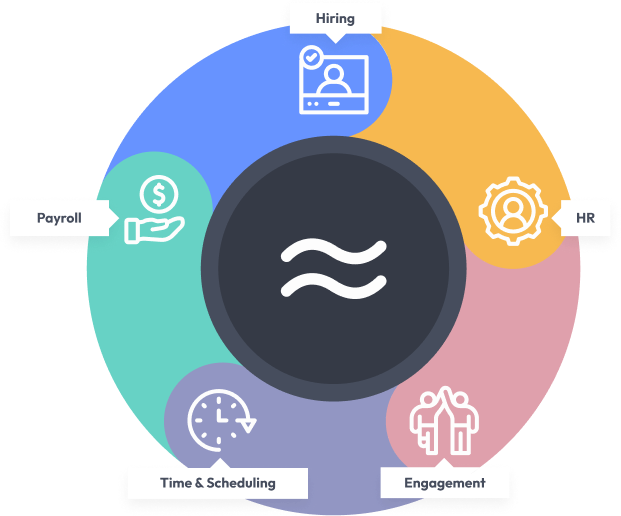

Hiring
Hire better quality workers, faster

HR
Streamline people processes and ensure employee records are always accurate

Engagement
Reduce turnover and increase worker engagement

Time & Scheduling
Manage schedules and hours worked to optimize your labor costs

Payroll
Pay your team quickly, easily, and accurately
resources
Become a hiring and onboarding expert.

Be smart with your hourly workforce
