



How to Hire CNAs: Streamline Certified Nursing Assistant Recruitment for Your Business
Streamline how you hire CNAs with Workstream’s all-in-one platform—automate recruitment, onboarding, and scheduling to attract top certified nursing assistants and simplify CNA staffing.

How to Hire CNAs: A Practical Guide for Small Business Owners
When you’re looking to hire CNAs (Certified Nursing Assistants), you’re not just filling a spot on the schedule—you’re recruiting the backbone of your care team. Whether you run a skilled nursing facility, an assisted living community, or a home health agency, getting CNA staffing right can mean the difference between smooth operations and constant headaches. Let’s walk through what it really takes to recruit nursing aides who stick around, show up, and care as much as you do.
Why Hiring Certified Nursing Assistants Feels So Tough (And Why It Doesn’t Have to Be)
If you ask any operator, nursing assistant recruitment can feel like running on a treadmill—always moving, never quite arriving. High turnover, burnout, and a competitive hiring market make it challenging. But here’s the thing: with the right approach, you can build a team that’s both reliable and resilient.
The CNA Staffing Crunch: By the Numbers
- According to the American Staffing Association, the demand for healthcare support staff has surged in recent years.
- High turnover rates in nursing and assisted living facilities are well-documented—sometimes topping 50% annually (see industry turnover analysis).
- Staffing shortages aren’t just inconvenient; they can impact compliance, patient outcomes, and even your bottom line. Learn about high turnover in assisted living.
So, what’s driving this? It’s a mix of pay, working conditions, lack of flexibility, and sometimes just plain burnout. But there are ways to stand out—without breaking the bank.
Building Your CNA Recruitment Game Plan
Let me explain: hiring certified nursing assistants isn’t about posting a job and hoping for the best. It’s about crafting a process that attracts the right people and helps them thrive from day one.
Crafting Job Descriptions That Actually Work
- Be specific about duties. Don’t sugarcoat or generalize. If your CNAs will handle memory care, mobility assistance, or specialized therapies, say so. For guidance, check out these job description resources.
- Highlight benefits and flexibility. Many CNAs are looking for a workplace that values their time and offers real perks. For tips on calling out benefits, see this guide on job descriptions.
- Set clear expectations. Transparency about shifts, overtime, and weekend work helps weed out mismatches early.
Where to Find Qualified CNA Candidates
- Leverage specialized job boards and local schools. Many community colleges have CNA programs—build relationships with instructors for a steady pipeline.
- Use digital recruiting tools. Platforms like Workstream’s hiring automation let you post jobs across multiple sites (Indeed, Craigslist) with just a few clicks.
- Tap into referral networks. Your best CNAs often know others looking for work. Incentivize referrals—sometimes a $100 bonus saves thousands in turnover costs (see cost breakdown here).
- Don’t ignore social media. Facebook groups and Instagram can be surprisingly effective for local talent pools (see how to hire on Instagram).
Simplifying the Application Process
If your application takes longer than five minutes, you’re losing candidates. Mobile-first solutions like Workstream’s platform let applicants apply via text—no logins or resumes required. This isn’t just convenient; it’s essential when competing for hourly talent who might have three interviews lined up before lunch.
The Interview & Onboarding Experience: Make It Count
You’ve got applicants—now what? Here’s where many businesses trip up: slow responses, confusing interviews, or clunky onboarding processes can scare off great CNAs before they ever clock in.
Interviewing for Heart and Skill
- Ask scenario-based questions. “Tell me about a time you handled a difficult resident.” For more tips, check out these motivational interviewing techniques.
- Cultural fit matters. A candidate who shares your values is less likely to churn (explore cultural fit interview questions).
- Move fast but don’t rush quality. Automated scheduling tools can cut interview no-shows by more than half (see hiring stats here).
Smooth Onboarding: The Secret Retention Weapon
- Digital onboarding saves hours. Paperwork should be done before day one. Use mobile-friendly onboarding like Workstream’s digital document completion.
- Buddy systems work wonders. Pair new hires with experienced CNAs for their first week. This builds confidence and connection (see onboarding statistics here).
- Automate reminders and compliance checks. Avoid costly mistakes by using platforms that track certifications and training deadlines (onboarding templates here).
Avoiding Common Pitfalls in CNA Staffing
No one likes learning lessons the hard way. Here are some classic mistakes—and how to dodge them:
- Poor communication with staff. Keep everyone in the loop with announcements and shift reminders. Solutions like Axonify Communications help connect frontline staff with HQ.
- Lack of schedule flexibility. Rigid schedules drive turnover. Consider using shift management tools that allow easy swaps and real-time updates (how Gap improved scheduling).
- Inefficient recordkeeping or compliance gaps. Stay on top of wage records and certifications (Department of Labor wage recordkeeping guide).
- No clear path for advancement. Even entry-level CNAs want to know they can grow. Highlight opportunities for upskilling or moving into med tech or LPN roles (retention strategies here).
- Dismissing “soft” perks as unimportant. Recognition programs, flexible pay options (instant pay access explained here) and supportive management go further than you think.
The Role of Technology in Modern CNA Staffing
The days of sticky notes and endless phone calls are fading fast. If you want to recruit nursing aides efficiently—and keep them happy—you’ll need to embrace digital tools. Platforms like Workstream automate everything from smart screening to shift scheduling, freeing up your time for what matters most: building relationships with your team and residents.
- Reduce turnover by half: Automated hiring workflows mean less ghosting and faster placements (see how Dunkin’ did it).
- Avoid costly compliance errors: Digital tracking can save thousands in fines each year (Fisher Phillips compliance resources).
- Simplify payroll: Integrated payroll systems designed for hourly workers minimize errors and keep everyone paid on time (restaurant payroll insights here).
- Create better experiences: Team-wide communication tools reduce no-shows and keep everyone engaged (engagement strategies here).
The Bottom Line: Hire CNAs Who Will Stay—and Thrive—with You
If you take away one thing, let it be this: successful CNA staffing isn’t about luck—it’s about process, speed, and heart. From writing honest job ads to leveraging digital onboarding, every step matters. And honestly? The right technology partner makes all the difference. If you’re ready to make hiring certified nursing assistants less stressful—and more successful—consider exploring solutions like Workstream’s all-in-one HR platform. Your future team (and your sanity) will thank you.
A Few Final Resources for Smarter CNA Hiring
- Restaurant hiring tips for hourly roles
- Job posting examples that attract quality applicants
- Creative tips for standout job postings
- Traits of committed employees worth seeking out
- Understanding part-time hours and benefits eligibility
This article is intended as general guidance only; always consult legal counsel or HR professionals regarding compliance in your state or region.
.svg)


All your important HR tasks under one roof
Today’s business owners and HR teams are overwhelmed with administrative tasks: manual processes and exports, duplicative data entry, and siloed information. Workstream centralizes and simplifies people tasks so you can move fast, reduce labor costs, and simplify operations—all in one place.
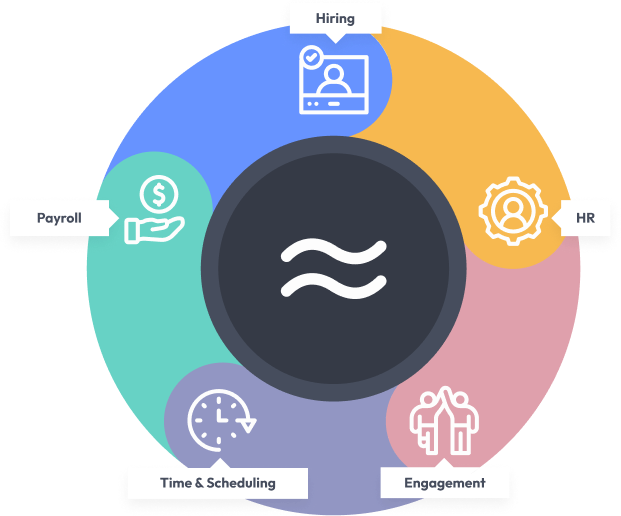

Hiring
Hire better quality workers, faster

HR
Streamline people processes and ensure employee records are always accurate

Engagement
Reduce turnover and increase worker engagement

Time & Scheduling
Manage schedules and hours worked to optimize your labor costs

Payroll
Pay your team quickly, easily, and accurately
resources
Become a hiring and onboarding expert.


Be smart with your hourly workforce
