



How to Hire Packaging Designers: Step-by-Step Guide for Finding Top Talent
Discover effective strategies to hire packaging designers, streamline your recruitment process, and attract top creative talent for your restaurant’s branding.

How to Hire Packaging Designers: A Practical Guide for Small Businesses
If you’ve ever stood in a store aisle, staring at shelves packed with products, you know that packaging can make or break a sale. It’s not just about looking pretty—your packaging is your handshake, your first impression, your silent salesperson. So, when it comes time to hire packaging designers, you want to get it right. But how do you find the right talent, build a strong packaging design team, and keep your hiring process efficient and compliant? Let’s break it down, one step at a time.
Why Packaging Design Matters—And Why the Right Team Is Key
Honestly, packaging isn’t just about wrapping up your product. It’s about brand identity, customer trust, and even regulatory compliance. If you ask me, a sharp packaging design professional can be the difference between a product that flies off the shelf and one that collects dust.
- Great packaging builds brand loyalty and boosts recognition—think about how you can spot a Coke can from a mile away.
- It can also help you meet legal requirements, like ingredient lists or safety warnings. Accurate recordkeeping is a must for compliance.
- And let’s not forget—good design can cut shipping costs and reduce waste, which is a win for your bottom line and the environment.
But here’s the thing: not all designers are created equal. Some are visionaries, others are detail-obsessed, and a few are both (if you’re lucky!). That’s why building a well-rounded packaging design team is so important.
Where to Start: Defining Your Needs and Crafting the Job Description
Get Clear on What You Need
Before you post that job ad, take a beat. Do you need someone for a one-off project, or are you looking to hire packaging artists for ongoing work? Are you after a creative lead, or someone who can crank out templates? Jot down your must-haves and nice-to-haves. It’ll save you headaches later.
- Define your brand’s visual style and packaging goals.
- Decide if you need expertise in specific materials or industries (food, cosmetics, electronics, etc.).
- Consider whether you want in-house staff or freelancers—each has its perks and pitfalls.
Write a Job Description That Attracts the Right Talent
Don’t just recycle a generic posting. Tailor your job ad to the packaging world. For tips on making your posting stand out, check out these job posting examples and creative tips for job postings. Highlight the tools you use (Adobe Creative Suite, 3D modeling software, etc.), the types of projects, and any compliance or sustainability requirements.
And, if you’re not sure how to call out benefits, here are some tips that can help you attract top-tier candidates—because let’s face it, everyone loves a good perk.
Finding and Attracting Top Packaging Design Professionals
Where to Look for Talent
Now, here’s where things get interesting. You could post on the usual job boards, but to really hire packaging designers who get your brand, you’ll want to cast a wider net.
- Tap into design-specific platforms and networks.
- Leverage social media—Instagram is a goldmine for visual portfolios. Here’s how to use Instagram for hiring.
- Don’t overlook referrals from your own team. Sometimes the best hires come from a friend of a friend.
And if you want to make your recruitment process even smoother, consider using a platform like Workstream. With automated screening and scheduling, you’ll cut your time-to-hire in half and reduce turnover—seriously, it’s a game changer for small businesses juggling a million things at once.
Screening and Interviewing: What to Ask
When it comes to packaging design recruitment, portfolios are king. But don’t just look at pretty pictures—ask candidates to walk you through their process. How do they handle feedback? Have they worked with your type of product before? For more interview inspiration, check out motivational interviewing techniques and cultural fit questions.
And, if you’re looking to streamline the whole process, automated tools can help you screen candidates faster, saving you hours each week. That’s time you can spend growing your business—or, let’s be honest, finally taking a lunch break.
Onboarding, Compliance, and Keeping Your Designers Happy
Make Onboarding a Breeze
Once you’ve found your superstar, don’t leave them hanging. A smooth onboarding process sets the tone for your whole working relationship. Use onboarding templates to make sure nothing falls through the cracks. And if you’re managing hourly or remote designers, a 24-hour schedule template can help keep everyone on track.
Stay Compliant—And Save Yourself Headaches
Compliance isn’t the most exciting part of hiring, but it’s essential. From wage recordkeeping to safety standards, you need to keep your ducks in a row. For a quick refresher, the Department of Labor’s recordkeeping guidelines are a must-read.
And here’s a pro tip: using an integrated HR and payroll platform like Workstream can help you manage documents, track hours, and stay compliant—saving you up to $25K a year on lawsuits and fees. Not too shabby, right?
Retaining Your Packaging Design Team
Hiring is just the first step. Keeping your designers happy is where the magic happens. Offer growth opportunities, recognize great work, and give regular feedback. For more on keeping employees engaged, this DoorDash report and this HBR article are packed with insights.
And don’t underestimate the power of a positive culture—high turnover can be a killer, both for morale and your bottom line. If you want to dig deeper, check out what causes turnover in hospitality and the real cost of turnover.
Common Pitfalls and How to Dodge Them
- Rushing the process: It’s tempting to hire the first decent candidate, but a little patience pays off.
- Ignoring cultural fit: Skills matter, but so does attitude. A designer who “gets” your brand will go the extra mile.
- Neglecting onboarding: A clunky start can sour even the best hire. Use digital tools to keep it smooth and welcoming.
- Forgetting compliance: Don’t let paperwork slip—fines and legal headaches aren’t worth it.
And if you’re still not sure where to start, there’s no shame in reaching out for help. Platforms like Workstream offer support and resources tailored for small businesses. Why go it alone when you don’t have to?
Wrapping It Up: Your Next Steps to Hire Packaging Designers
So, what’s the secret sauce to hiring packaging designers who’ll help your business shine? Define your needs, write a clear job description, use the right tools to find and screen candidates, and make onboarding a priority. Keep your eye on compliance, and don’t forget—happy designers stick around, and that’s good for everyone.
If you’re ready to build a standout packaging design team, remember: the right mix of people, process, and technology can make all the difference. And if you want to see how technology can help, Workstream’s hiring automation is worth a look. After all, running a small business is tough enough—why not make hiring the easy part?
Further Reading and Resources
.svg)


All your important HR tasks under one roof
Today’s business owners and HR teams are overwhelmed with administrative tasks: manual processes and exports, duplicative data entry, and siloed information. Workstream centralizes and simplifies people tasks so you can move fast, reduce labor costs, and simplify operations—all in one place.
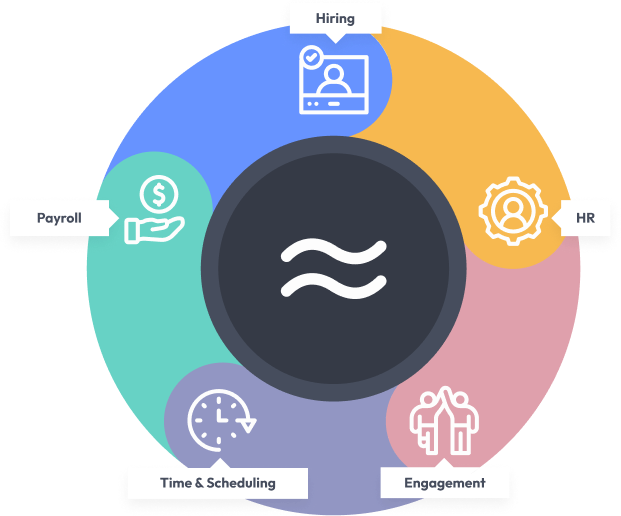

Hiring
Hire better quality workers, faster

HR
Streamline people processes and ensure employee records are always accurate

Engagement
Reduce turnover and increase worker engagement

Time & Scheduling
Manage schedules and hours worked to optimize your labor costs

Payroll
Pay your team quickly, easily, and accurately
resources
Become a hiring and onboarding expert.

Be smart with your hourly workforce
