



How to Hire Freight Handlers: Proven Steps to Find, Screen, and Onboard Top Logistics Talent
Learn how to hire freight handlers with proven steps to streamline your logistics operations, boost efficiency, and build a reliable team for your restaurant or business.

How to Hire Freight Handlers: A Practical Guide for Warehouse and Logistics Leaders
Ever feel like finding the right freight handlers is a bit like searching for a needle in a haystack? You're not alone. For warehouse managers and logistics operators, the pressure to hire freight handlers who are reliable, efficient, and safety-minded can be downright overwhelming. But with a little know-how—and the right tools—building a dependable team is absolutely doable. Let’s break down the process, sprinkle in some real-world advice, and touch on the trends shaping warehouse labor hiring today.
Understanding the Freight Handler Role
What Does a Freight Handler Do?
Freight handlers are the backbone of any warehouse or distribution center. Their main gig? Loading, unloading, and moving goods within warehouses or onto trucks, often using equipment like forklifts or pallet jacks. It’s physically demanding work, and attention to detail is a must—one wrong move, and you could have a costly mistake or a safety incident on your hands.
Why the Right Hire Matters
High turnover in logistics isn’t just a headache—it’s expensive. According to industry research, losing a single frontline warehouse worker can cost thousands in lost productivity, overtime, and recruitment. That’s why freight handler recruitment isn’t just about filling a slot; it’s about finding people who’ll stick around and grow with your team.
Smart Steps to Hire Freight Handlers
1. Write Clear, Honest Job Descriptions
Start with a job post that tells it like it is. Be upfront about the physical nature of the work, required shifts, and any certifications needed. For inspiration, check out these job posting examples or use these creative tips for making your job stand out. If you’re hiring for a specific role, like a freight broker or heavy equipment mechanic, tailor your listing accordingly.
2. Source Candidates Where They Are
It’s not just Indeed and Craigslist anymore—social media platforms like Facebook are goldmines for hourly worker recruitment. And don’t underestimate the power of employee referrals; people tend to recommend folks who’ll actually show up and do the job. For more on digital recruiting, check out these digital recruiting strategies.
3. Screen for Reliability and Safety
Let’s be real—showing up on time and following safety protocols is non-negotiable. Use hiring automation tools to pre-screen for these qualities. You can even use pre-employment assessments to evaluate skills and fit. Don’t forget to check references and, if needed, run background checks.
4. Streamline Interviews and Onboarding
Time kills all deals, especially in warehouse labor hiring. Automate interview scheduling and onboarding with platforms like Workstream to keep candidates engaged and reduce no-shows. For onboarding, see these onboarding templates that can help you get new hires up to speed fast.
Recruit Logistics Staff: What Works (and What Doesn’t)
Common Pitfalls to Avoid
- Vague job descriptions: If you don’t spell out expectations, you’ll get the wrong applicants.
- Slow response times: In a competitive market, waiting even a day to follow up can mean losing top talent to a competitor.
- Ignoring culture fit: A freight handler who doesn’t mesh with your team can disrupt workflow and morale. Use culture fit interview questions to assess alignment.
Retention: The Secret Sauce
It’s one thing to hire warehouse workers; it’s another to keep them. Offering competitive pay and benefits is a start—see how benefits impact recruitment and retention—but so is creating a supportive environment. Flexible scheduling, recognition, and opportunities for advancement all matter. For more, check out how high turnover affects the industry and what causes turnover in hospitality.
Warehouse Labor Hiring: Compliance and Efficiency
Stay Legal, Stay Safe
Don’t let compliance trip you up. The Department of Labor requires accurate recordkeeping for all employees, including hours worked and wages paid. If you’re not careful, small mistakes can snowball into big fines. That’s where integrated HR platforms like Workstream shine—they automate recordkeeping and keep your business audit-ready.
Save Time (and Money) with Automation
Manual scheduling and payroll? That’s so last decade. Modern tools can simplify shift management, warn you about overtime, and even help you avoid overstaffing or understaffing—saving you up to $10K per year per location. Not bad for a few clicks. For more on the cost of turnover and how to fix it, see how to fix high employee turnover.
Building a Strong Logistics Team: Tips for Success
Engagement and Growth
Engaged employees are less likely to leave. Simple, right? But how do you get there? Regular check-ins, clear communication, and opportunities for upskilling are key. For ideas, see what makes employees happy and how to improve engagement for young hourly workers.
Leverage Data and Feedback
Don’t just trust your gut—use data. Platforms like Workstream can help you track hiring metrics, turnover rates, and engagement scores. This way, you’re not just hiring—you’re building a logistics team that’s set up for long-term success.
Conclusion: Freight Handler Recruitment Made Simple
If you ask me, hiring freight handlers doesn’t have to be a guessing game. With honest job posts, smart screening, and a little help from technology, you can assemble a logistics team that keeps your operation humming. And when you use a solution like Workstream, you’re not just filling roles—you’re setting your business up for lower turnover, better compliance, and real savings. Ready to get started? Your next great hire might just be a click away.
Related Reading from Workstream
- Discover more about hiring freight brokers for your logistics team.
- See how hiring automation can speed up your recruitment process.
- Explore onboarding templates for a smooth start with new hires.
- Learn about Workstream’s full HR and payroll platform for hourly businesses.
- Get inspired by key hiring and firing statistics to inform your strategy.
.svg)


All your important HR tasks under one roof
Today’s business owners and HR teams are overwhelmed with administrative tasks: manual processes and exports, duplicative data entry, and siloed information. Workstream centralizes and simplifies people tasks so you can move fast, reduce labor costs, and simplify operations—all in one place.
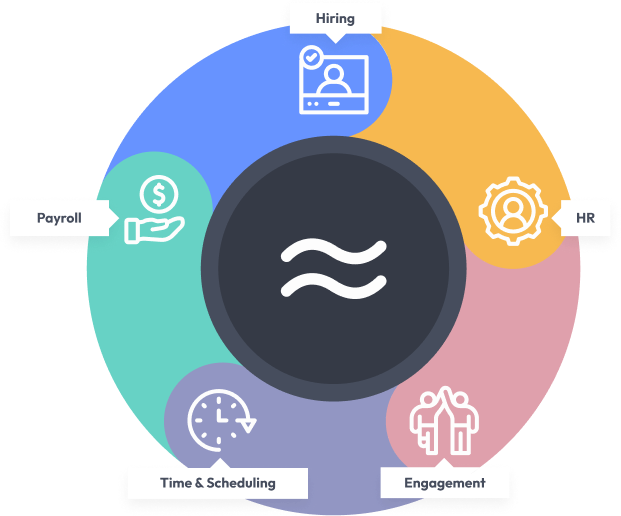

Hiring
Hire better quality workers, faster

HR
Streamline people processes and ensure employee records are always accurate

Engagement
Reduce turnover and increase worker engagement

Time & Scheduling
Manage schedules and hours worked to optimize your labor costs

Payroll
Pay your team quickly, easily, and accurately
resources
Become a hiring and onboarding expert.


Be smart with your hourly workforce
