



How to Hire Makeup Artists: Step-by-Step Hiring Guide for Small Businesses
Discover the best ways to hire makeup artists for your restaurant or event. Learn key steps, tips, and strategies to find and onboard top talent.

How to Hire Makeup Artists: A Complete Guide for Small Businesses
Let’s be honest—if you run a salon, spa, or beauty business, the decision to hire makeup artists can make or break your reputation. Whether you’re a seasoned franchise owner or just getting your feet wet in the beauty industry, finding the right talent isn’t just about reviewing portfolios. It’s about building a team that keeps your clients coming back, rain or shine. So, how do you recruit makeup artists who are both skilled and a good fit for your brand? Let’s walk through the essentials, with a few detours for the real-world stuff nobody tells you about.
Why Hiring the Right Makeup Artist Matters
First Impressions Are Everything
When you hire beauty professionals, you’re not just filling a seat—you’re shaping the client experience. A great makeup artist can boost your business’s word-of-mouth, while a poor hire can send your Google reviews plummeting. According to Modern Restaurant Management, high turnover can cost businesses thousands every year. That’s money you could be putting into new products or marketing instead of endless recruitment cycles.
Retention and Engagement
It’s not just about finding talent; it’s about keeping them. The DoorDash Impact of Benefits Report shows that benefits and flexible scheduling are key drivers for retention in service industries. If you ask me, offering perks like flexible hours or instant pay access—something platforms like Workstream can help with—can set your business apart.
Steps to Recruit Makeup Artists Who Stick Around
Craft a Standout Job Description
Your job ad is your first handshake. Make it count! Highlight not just skills, but what makes your business a great place to work. For inspiration, check out these job posting examples or tips for employee handbooks—the same principles apply to beauty businesses. And don’t forget to call out benefits, as outlined in this guide.
Use the Right Channels
Gone are the days when a “Help Wanted” sign in the window did the trick. Today’s candidates are on social media, job boards, and even Instagram. If you’re not sure where to start, here’s how to use Instagram for hiring and a list of free job posting sites that actually work.
Screen for Skills—and Culture Fit
Sure, technical skills matter. But so does attitude. The Harvard Business Review points out that hiring for attitude and training for skill can drastically reduce turnover. Ask questions that reveal personality and work ethic—these interview questions can help you dig deeper.
Streamline Your Hiring Process
Time kills all deals—including great candidates. Automated tools like Workstream’s hiring automation can cut your time-to-hire in half, reduce manual data entry, and keep you organized. If you’re still juggling paper resumes and sticky notes, trust me, there’s a better way.
Common Pitfalls in Makeup Artist Recruitment (And How to Dodge Them)
Ignoring Compliance and Documentation
Don’t let paperwork trip you up. The U.S. Department of Labor requires accurate recordkeeping for all employees, including hourly beauty professionals. Digital onboarding platforms, like Workstream, help you stay compliant and organized from day one.
Underestimating the Cost of Turnover
Losing a makeup artist doesn’t just mean another round of interviews. According to Notch Financial, turnover can cost you $5,864 per front-line employee. That’s not pocket change. Invest in engagement—regular feedback, growth opportunities, and fair pay—to keep your team happy. For more on this, see this HBR article on retention.
Skipping Onboarding
Onboarding isn’t just a formality—it’s your chance to set expectations and build loyalty. A strong onboarding process, as described in this Forbes piece and these onboarding templates, can reduce early turnover and help new hires hit the ground running.
Practical Tips for Small Business Owners
- Offer Competitive Pay: Compare your wages to other local businesses using this wage comparison guide.
- Invest in Training: Ongoing education keeps your team sharp. For ideas, check this guide to effective training.
- Embrace Technology: Digital scheduling, instant pay, and automated reminders—these aren’t just buzzwords. They’re real tools that make your life easier and your team happier. See how Gap uses tech to empower employees.
- Prioritize Culture: A positive work environment is a magnet for top talent. For inspiration, read about how Michelin-rated restaurants tackle turnover and the link between job satisfaction and retention.
How Workstream Can Support Your Makeup Artist Recruitment
Here’s the thing—juggling hiring, onboarding, compliance, and scheduling can feel like spinning plates. That’s where Workstream’s all-in-one HR platform comes in. With features designed for hourly businesses, Workstream can help you:
- Automate job postings and applicant screening
- Digitize onboarding and compliance paperwork
- Manage schedules and reduce no-shows
- Streamline payroll for hourly workers
Honestly, it’s like having an extra set of hands—without the payroll tax headache. Curious about how it works in real life? Check out this Dunkin’ franchisee’s story for a taste of what’s possible.
Conclusion: Build a Beauty Team That Lasts
Finding and keeping great makeup artists is a journey, not a sprint. It takes a mix of smart recruiting, strong onboarding, and a culture that values people as much as profits. If you’re tired of the revolving door and want to build a team that sticks, consider upgrading your hiring process with tools like Workstream. After all, your business deserves a little less chaos—and a lot more beauty.
Want to Learn More?
- Explore restaurant hiring strategies that work for beauty businesses, too.
- Read about traits of committed employees to look for in your next hire.
- See how calling out benefits can boost your job ads’ appeal.
- Curious about onboarding? Try these onboarding templates for a smoother start.
- Ready to get started? Automate your hiring process with Workstream and find your next star makeup artist.
.svg)


All your important HR tasks under one roof
Today’s business owners and HR teams are overwhelmed with administrative tasks: manual processes and exports, duplicative data entry, and siloed information. Workstream centralizes and simplifies people tasks so you can move fast, reduce labor costs, and simplify operations—all in one place.
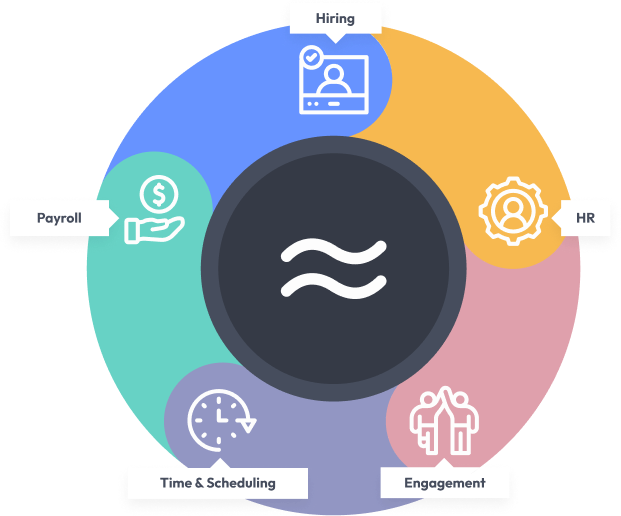

Hiring
Hire better quality workers, faster

HR
Streamline people processes and ensure employee records are always accurate

Engagement
Reduce turnover and increase worker engagement

Time & Scheduling
Manage schedules and hours worked to optimize your labor costs

Payroll
Pay your team quickly, easily, and accurately
resources
Become a hiring and onboarding expert.


Be smart with your hourly workforce
