



How to Hire Data Analysts: Streamline Data Analyst Recruitment for Your Business
Streamline how you hire data analysts with Workstream’s all-in-one platform—automate recruitment, onboarding, and compliance to quickly find and retain top talent for your business.

How to Hire Data Analysts: A Practical Guide for Small Business Owners
If you ask me, hiring data analysts is a bit like finding the perfect sous-chef for your kitchen—you need someone with technical chops, but also someone who can communicate and fit with your team. The demand for data-driven decision-making is everywhere, from franchise restaurants to retail shops. Yet, the process to hire data analysts can feel overwhelming, especially when your business can’t afford a mis-hire. Let me explain how to recruit data analysts who’ll actually make an impact, while keeping your sanity (and budget) intact.
What Does a Data Analyst Do—And Why Should You Care?
Before you jump into data analyst recruitment, it’s worth pausing to ask: what exactly will this person do for your business? A good analyst will help you spot trends in sales, optimize labor schedules, and even predict which menu items are about to become the next big thing. But they’re not magicians—they need access to clean data, clear goals, and a seat at the table.
- They turn raw numbers into actionable insights (think: “Why are Tuesday sales always lagging?”).
- They help you measure ROI on marketing campaigns, new products, or even staff training investments.
- They can help you calculate the true cost of each employee, which is crucial for small businesses watching every dollar.
Honestly, if you’re still running reports in Excel and guessing at trends, it’s time to bring in a pro.
The Roadmap: How to Hire Data Analysts Without Losing Sleep
Step 1: Write a Job Description That Attracts the Right Talent
Let’s be real—most job ads for data analysts read like a laundry list of buzzwords. Instead, focus on what makes your business unique and what problems you want solved. For inspiration, check out these job posting examples for hourly roles. Even though they aren’t analyst-specific, the principles apply: clarity, transparency, and a touch of personality go a long way.
Don’t forget to highlight benefits and growth opportunities. According to this report on benefits impacting recruitment and retention, perks matter—especially for younger talent.
Step 2: Source Candidates Where They Actually Hang Out
If your idea of recruiting is posting on one job board and crossing your fingers, it’s time for an upgrade. The best data analysts aren’t always actively looking—they’re often passive candidates. Try these tactics:
- Expand your digital recruiting reach—social media and niche forums can be goldmines.
- Leverage referrals from your current team; analysts trust their peers’ recommendations.
- Consider platforms that streamline the process—hiring automation tools can help you reach more candidates and move them through the funnel faster.
- For more tips on finding candidates, see this guide on proactive candidate sourcing.
Step 3: Screen for Skills—But Also for Fit
Technical skills are non-negotiable, but don’t underestimate soft skills. A great analyst needs to explain findings to folks who aren’t data-savvy. Use skills assessments (like those discussed in pre-employment testing platforms) and behavioral interviews. If you want to dig deeper into interview strategy, check out these motivational interviewing techniques.
Cultural fit is equally important—analysts need to mesh with your team and understand your business context. For some practical questions, see these culture fit interview questions.
Step 4: Move Fast—But Don’t Skip Compliance
The best analysts get snapped up quickly. Automated scheduling tools (like those offered by Workstream’s platform) let you coordinate interviews without endless back-and-forth emails. But don’t forget the boring stuff: background checks, reference calls, and proper documentation matter. For compliance tips, see the Department of Labor’s wage recordkeeping guide.
Pitfalls to Avoid When You Recruit Data Analysts (And How to Dodge Them)
- Chasing unicorns: Don’t hold out for someone who codes like a Silicon Valley engineer and also has restaurant experience. Focus on must-haves versus nice-to-haves.
- Poor onboarding: A rushed welcome leads to confusion and turnover. For onboarding insights, see this employee onboarding statistics report and these onboarding templates.
- Lack of support: Analysts need access to data and decision-makers. If they’re stuck fighting for reports or their recommendations fall on deaf ears, they’ll leave. For more on engagement, see ways to improve communication with frontline teams.
- Ignoring pay compression: With pay transparency laws spreading, make sure your offers are competitive. Check out this Robert Half survey on compensation trends.
The Tools That Make Data Analyst Hiring Easier (and Cheaper)
If you’re still juggling spreadsheets or using seven different HR tools, it’s time to rethink your stack. Platforms like Workstream combine hiring automation, onboarding workflows, scheduling, and compliance in one place—saving both time and money. According to Workstream customers, consolidating tools can cut HR costs by up to $30K per year (not a typo!). And with features like automated screening and text-based communication, you’ll reduce time-to-hire by half and cut turnover dramatically.
If you want proof that streamlined systems work in high-turnover environments, check out how Dunkin’ franchisees improved hiring and applicant experience.
Bonus: How to Retain Your New Data Analyst
You’ve done the hard work to find data analysts—now keep them happy! Invest in ongoing training (see resources like this HR analytics course) and give them opportunities to grow with your business. Recognition matters too; celebrating milestones (like those described in this work anniversary guide) builds loyalty.
Conclusion: Smart Data Analyst Hiring Is Your Competitive Edge
If there’s one thing I’ve learned covering small business hiring trends, it’s that the right analyst can transform how you operate—helping you cut costs, spot growth opportunities, and stay ahead of competitors. The trick is blending technology with a human touch: automate what you can, but don’t lose sight of what makes your workplace unique.
If you’re ready to take the next step—or just want to see how much easier hiring can be—explore more about Workstream’s hiring automation tools. And remember: whether you’re recruiting for a single store or a growing franchise network, investing in data talent is investing in your future.
Further Reading from Workstream
.svg)


All your important HR tasks under one roof
Today’s business owners and HR teams are overwhelmed with administrative tasks: manual processes and exports, duplicative data entry, and siloed information. Workstream centralizes and simplifies people tasks so you can move fast, reduce labor costs, and simplify operations—all in one place.
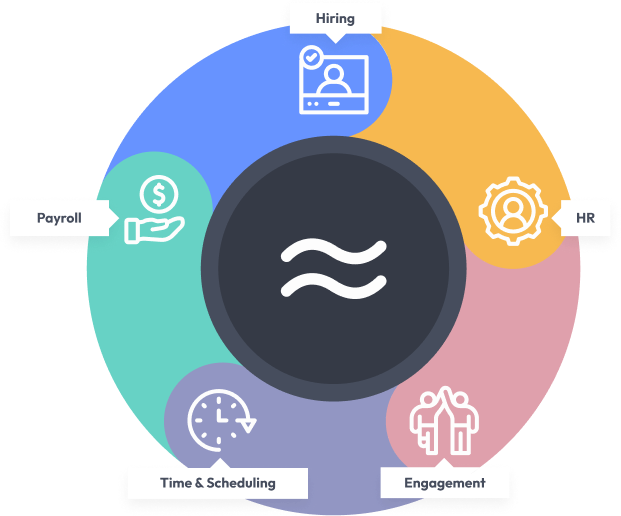

Hiring
Hire better quality workers, faster

HR
Streamline people processes and ensure employee records are always accurate

Engagement
Reduce turnover and increase worker engagement

Time & Scheduling
Manage schedules and hours worked to optimize your labor costs

Payroll
Pay your team quickly, easily, and accurately
resources
Become a hiring and onboarding expert.



Be smart with your hourly workforce
