



How to Hire Floral Designers: Tips to Find and Keep Top Talent for Your Business
Learn effective tips to hire floral designers, streamline your recruitment process, and attract top talent to elevate your floral business with Workstream’s hiring solutions.

How to Hire Floral Designers: Building a Blooming Team for Your Business
Hiring the right floral designers can be the difference between a flower shop that just gets by and one that’s the talk of the town. Whether you run a bustling retail florist, a wedding design studio, or a grocery floral department, finding and keeping top-tier talent isn’t just about snipping stems and arranging roses. It’s about creating a team that brings creativity, reliability, and a dash of magic to every bouquet. So, how do you hire floral designers who’ll help your business thrive? Let’s dig in—petal by petal.
Getting Started: What Makes a Great Floral Designer?
More Than Just Arranging Flowers
Sure, technical skill is a must. But when you hire flower arrangers, you’re also looking for people with a keen eye for color, a knack for customer service, and the stamina to handle busy holidays (Mother’s Day, anyone?). The best floral designers are part artist, part problem-solver, and part therapist—sometimes all in the same morning.
Defining the Role Clearly
Before you start your floral design recruitment process, nail down exactly what you need. Will your designers handle event installations? Manage inventory? Interact with customers? A clear, detailed job description helps you attract candidates who fit your needs and your shop’s vibe. For tips on crafting effective job descriptions, check out these resources on job description development.
Culture Counts
Honestly, a floral design team is a lot like a garden—each person brings something unique, but everyone needs to work together. Consider what kind of culture you want to cultivate. Are you fast-paced and high-volume, or boutique and bespoke? Your team’s personality should reflect your brand and customer base. If you’re unsure where to start, defining your company culture can help guide your recruitment strategy.
Where to Find Floral Designers Who’ll Wow Your Customers
Smart Sourcing Strategies
It’s tempting to just post a job ad and hope for the best, but the best candidates aren’t always actively looking. Tap into industry networks, floral design schools, and even social media groups. Platforms like Workstream can help you reach a broader pool of hourly workers, while targeted ads on Instagram or Facebook can attract creative talent who might not be scouring job boards.
- Partner with local horticulture programs or community colleges
- Ask for referrals from your current team or industry friends
- Attend floral trade shows or design competitions
For more on creative sourcing, digital recruiting strategies can give you a leg up.
Crafting Job Postings That Attract the Right Talent
Don’t just list requirements—show off what makes your shop special. Highlight opportunities for growth, unique perks (like flexible scheduling or creative freedom), and your business’s story. For inspiration, see these job posting examples and creative recruitment ads.
Interviewing and Evaluating Candidates: Picking the Best from the Bunch
Screening for Skills and Attitude
When you find floral designers, remember: attitude can be just as important as experience. Ask candidates to create a sample arrangement or walk you through their design process. But also dig into how they handle stress, customer requests, and teamwork. For interview inspiration, try these culture fit interview questions or motivational interview techniques.
Don’t Forget the Soft Skills
Floral designers often work directly with customers during emotional moments—weddings, funerals, celebrations. Empathy, communication, and patience are key. A candidate might craft a stunning bouquet, but if they can’t handle a last-minute bridezilla meltdown, you’ll feel it in your reviews.
Trial Shifts and Portfolios
Whenever possible, invite top candidates for a paid trial shift. You’ll see firsthand how they handle your shop’s pace and style. Ask for a portfolio or photos of past work—these can reveal both skill level and personal flair. For more on assessing candidates, pre-employment assessments can be a game-changer.
Retention and Growth: Keeping Your Floral Design Team Blooming
Onboarding and Training
Great onboarding sets the tone. Use digital tools like Workstream’s hiring automation to streamline paperwork and training, so new hires can get their hands on the flowers faster. For onboarding templates, see these onboarding templates.
Benefits, Flexibility, and Recognition
Want to keep your best designers? Offer more than just a paycheck. Flexible scheduling, paid time off, and creative opportunities matter—a lot. According to this DoorDash report, benefits are a major driver of retention in the service industry. And don’t underestimate the power of a simple thank-you or a staff flower-arranging contest to keep morale high.
Growth and Feedback
Encourage ongoing learning—cover the cost for workshops or certifications, and give regular, constructive feedback. If you’re not sure how to structure reviews, effective training techniques can help you build a strong feedback loop.
Reducing Turnover
Turnover is a thorny issue in the floral world, but it’s not inevitable. By investing in your team’s growth and well-being, you can cut turnover in half—just like top-performing businesses do. For more on the cost of turnover and how to address it, see this analysis on employee turnover and the real cost of turnover.
Compliance, Payroll, and the Not-So-Glamorous Details
Staying Legal and Organized
It’s not all petals and pretty things—keeping up with labor laws, proper recordkeeping, and payroll is crucial. The U.S. Department of Labor’s recordkeeping guidelines are a must-read for any employer. And if you want to save time (and headaches), consider an all-in-one platform like Workstream for your HR and payroll needs.
Payroll and Scheduling
Payroll for hourly floral staff can get complicated, especially during busy seasons. For a primer on restaurant payroll (which shares a lot with floral retail), check out this practical guide. And for efficient scheduling, this 24-hour schedule template can help you keep shifts fair and coverage strong.
Protecting Your Business
Don’t let compliance slip through the cracks. With fines and lawsuits costing small businesses thousands each year, digital HR tools can help you stay on top of paperwork, benefits, and legal requirements. For more on compliance and risk management, legal resources for employers are a smart reference.
Conclusion: Growing a Standout Floral Design Team
Building a stellar floral design team takes more than a green thumb—it’s a blend of smart recruitment, clear communication, and ongoing investment in your people. With the right tools and a people-first approach, you can hire floral designers who’ll help your business blossom, season after season. And if you’re ready to make your hiring process as fresh as your flowers, platforms like Workstream are designed to make every step—from recruitment to payroll—a breeze.
For more on hiring and managing hourly teams, explore these resources:
.svg)


All your important HR tasks under one roof
Today’s business owners and HR teams are overwhelmed with administrative tasks: manual processes and exports, duplicative data entry, and siloed information. Workstream centralizes and simplifies people tasks so you can move fast, reduce labor costs, and simplify operations—all in one place.
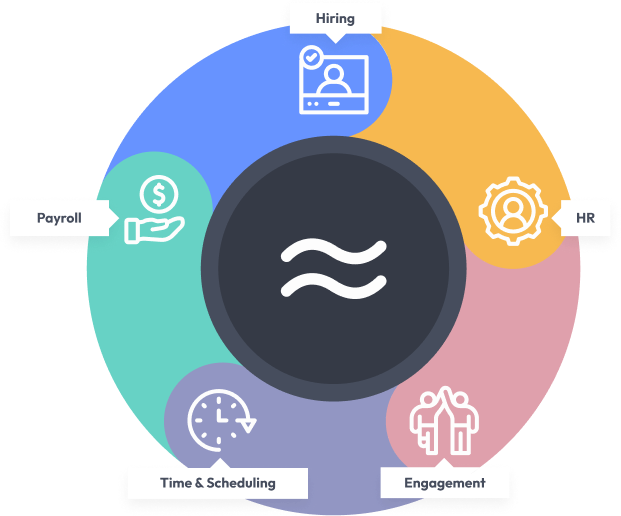

Hiring
Hire better quality workers, faster

HR
Streamline people processes and ensure employee records are always accurate

Engagement
Reduce turnover and increase worker engagement

Time & Scheduling
Manage schedules and hours worked to optimize your labor costs

Payroll
Pay your team quickly, easily, and accurately
resources
Become a hiring and onboarding expert.



Be smart with your hourly workforce
