



How to Hire Supply Planners: Step-by-Step Guide to Recruiting Top Talent for Your Business
Discover proven tips to hire supply planners efficiently, streamline your recruitment process, and build a skilled team to optimize your restaurant’s inventory and operations.

How to Hire Supply Planners: The Practical Guide for Small Businesses
Let’s be honest—finding the right person to hire supply planners can feel a bit like searching for a needle in a haystack, especially when you’re juggling a million other things as a business owner. But getting supply planning right? It’s the backbone of any operation that relies on inventory, logistics, or timely deliveries. If you ask me, a great supply planner can mean the difference between smooth sailing and a truckload of headaches. So, how do you actually recruit the best in the business? Let’s break it down, with a few digressions along the way—because, well, that’s how real conversations go.
Why Supply Planners Matter—And Why It’s So Hard to Find the Right One
First, let’s set the stage. Supply planner recruitment isn’t just about plugging a gap in your org chart. These folks are the unsung heroes who keep your shelves stocked, your customers happy, and your costs under control. But turnover in roles like these? It’s a real challenge. According to Michelin Guide’s feature on turnover, high churn rates in operational roles can cripple even the best-run businesses.
Why is it so tough to hire demand and supply planners? For starters, the skill set is a bit of a unicorn: analytical chops, communication skills, and a knack for forecasting. And with the demand for staffing at an all-time high, competition is fierce. If you’re not quick and strategic, you’ll lose top talent to bigger players or more tech-savvy competitors.
The Real Cost of Getting It Wrong
You might think, “Can’t I just post a job and see who bites?” Sure, but a bad hire can cost you—big time. Notch Financial reports that turnover can eat up thousands per lost employee, not to mention the ripple effects on morale and productivity. And don’t even get me started on compliance headaches if you’re not careful with onboarding and documentation.
Building a Winning Supply Planner Recruitment Process
Alright, so what’s the secret sauce? Here’s the thing: successful supply planner recruitment is about more than just a killer job ad (though that helps). You need a process that’s fast, fair, and focused on the skills that matter most.
Crafting the Right Job Description
Start with a clear, compelling job description. Highlight the must-have skills—think demand forecasting, inventory management, and data analysis. For inspiration, check out these job posting examples tailored for hourly and operations roles. Don’t forget to call out perks and benefits; as DoorDash’s research shows, benefits are a huge draw for top talent.
Where to Find the Right Candidates
- Leverage industry-specific job boards and staffing agencies—the staffing industry is full of resources for specialized roles.
- Tap into your network: current employees, suppliers, even friendly competitors can be a goldmine for referrals.
- Don’t overlook digital recruiting. Platforms like Monster and Appcast’s benchmark report offer insights on reaching passive candidates.
Screening and Interviewing: What to Look For
Here’s where things get interesting. It’s not just about technical skills—you want someone who can think on their feet, communicate clearly, and adapt to curveballs. Consider using pre-employment assessments to test for analytical ability and attention to detail. And when it comes time to interview, don’t be afraid to dig into real-world scenarios. Need help structuring those interviews? These motivational interviewing techniques can help you uncover what makes a candidate tick.
And if you’re pressed for time (who isn’t?), platforms like Workstream’s hiring automation can help you move candidates through the pipeline faster—saving you hours and reducing the risk of losing great talent to a slow process.
Onboarding and Retaining Supply Planners: The Often-Ignored Secret Weapon
Let’s pivot for a second. You’ve managed to recruit supply chain planning specialists—now what? Onboarding is where most businesses drop the ball, and it’s a shame because a smooth start can cut turnover in half. According to onboarding statistics, companies with structured onboarding see higher retention and faster productivity.
Make Onboarding Seamless
- Digitize paperwork and training—nobody wants to spend their first week buried in forms. These onboarding templates can save you time and headaches.
- Assign a mentor or buddy. It’s not just for show; it helps new hires feel connected and supported.
- Set clear expectations and goals. If you’re not sure where to start, SMART goals work for any industry, not just restaurants.
Retention: Keeping Your Planners Happy
Retention isn’t about ping-pong tables or free snacks (though, hey, nobody’s complaining). It’s about meaningful work, fair pay, and a sense of purpose. Harvard Business Review highlights that engagement is the real driver of retention, especially for younger workers. Regular feedback, opportunities for growth, and a supportive culture go a long way.
And don’t forget compliance! Accurate recordkeeping is a must—check the Department of Labor’s guidelines to avoid costly mistakes. If you’re juggling multiple systems, consider an all-in-one platform like Workstream to keep everything organized and compliant.
Common Pitfalls (and How to Dodge Them)
Let’s talk about what trips up most businesses when they hire supply planning analysts or inventory planners. It’s not always the obvious stuff. Sometimes it’s moving too slowly, other times it’s failing to sell the role’s impact. Here are a few pitfalls you’ll want to sidestep:
- Dragging your feet: In this market, speed matters. Automated scheduling and interview tools can cut your time-to-hire in half. See the stats on how faster hiring leads to better outcomes.
- Ignoring culture fit: Technical skills are great, but if your new planner can’t mesh with the team, you’re back to square one. Use cultural fit interview questions to get a sense of alignment.
- Underestimating onboarding: A rushed or messy onboarding can send new hires running for the exit. Don’t skimp here—use templates and checklists to make it smooth.
And if you’re still not sure how to compete with bigger brands, remember: small businesses can offer flexibility, autonomy, and a direct line to leadership—things that matter more than you might think. Work-life balance and flexibility are top priorities for today’s workforce.
Conclusion: Make Supply Planner Hiring Your Competitive Edge
So, what’s the takeaway? If you want to hire supply planners who’ll stick around and drive your business forward, you need a process that’s fast, fair, and focused on both skills and culture. Leverage technology, tap your network, and don’t underestimate the power of a great onboarding experience. Honestly, with the right approach (and maybe a little help from platforms like Workstream), you can turn supply planner hiring into a true competitive advantage.
Ready to get started? You’ll find more resources and practical guides on:
- Onboarding templates
- Job posting examples for hourly roles
- Hiring and firing statistics
- Creative job posting tips
- Workstream’s hiring automation
Don’t wait until you’re in a pinch—start building your supply planning dream team today. And if you ever need a hand, you know where to find us.
.svg)


All your important HR tasks under one roof
Today’s business owners and HR teams are overwhelmed with administrative tasks: manual processes and exports, duplicative data entry, and siloed information. Workstream centralizes and simplifies people tasks so you can move fast, reduce labor costs, and simplify operations—all in one place.
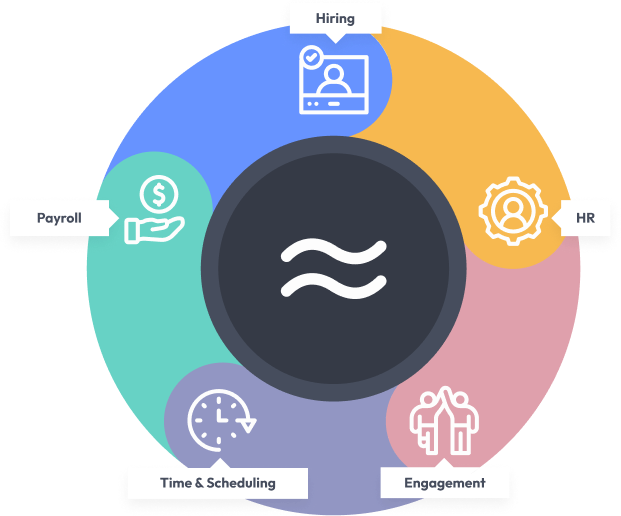

Hiring
Hire better quality workers, faster

HR
Streamline people processes and ensure employee records are always accurate

Engagement
Reduce turnover and increase worker engagement

Time & Scheduling
Manage schedules and hours worked to optimize your labor costs

Payroll
Pay your team quickly, easily, and accurately
resources
Become a hiring and onboarding expert.

Be smart with your hourly workforce
