



How to Hire Dietary Managers: Streamline Dietary Manager Recruitment for Your Business
Streamline how you hire dietary managers with Workstream’s platform—automate recruitment, onboarding, and compliance so you can hire nutrition service managers and certified dietary managers.

How to Hire Dietary Managers: A Practical Guide for Small Businesses
Let’s be honest—finding and hiring the right dietary managers can feel like searching for a needle in a haystack, especially if you’re running a restaurant, care facility, or any business where nutrition and food safety are top priorities. But here’s the thing: the right hire can make all the difference in compliance, team morale, and—yes—your bottom line. So, how do you hire dietary managers who truly fit the bill? Let’s walk through the process, sprinkle in some real-world advice, and highlight a few tools that can make your life a whole lot easier.
Why Hiring Great Dietary Managers Matters
First, a quick reality check. Employee turnover in the food and hospitality world is notoriously high, and when it comes to dietary managers, the stakes are even higher. They’re not just managing menus—they’re ensuring compliance, food safety, and the health of your guests or residents. If you ask me, a great dietary manager is like the quarterback of your kitchen team.
Research shows that turnover costs can hit hard, sometimes costing thousands per lost employee. And when you’re dealing with specialized roles like dietary or nutrition service managers, the impact is even greater. That’s why smart hiring automation and a clear recruitment strategy are critical.
What Makes a Standout Dietary Manager?
- Certification: Look for candidates who are certified dietary managers or have similar credentials. Certification isn’t just a piece of paper—it’s proof of up-to-date knowledge and commitment to best practices.
- Leadership: Can they lead a team and keep everyone on task, even during the lunch rush or a surprise health inspection?
- Compliance Know-How: Are they familiar with local and federal food safety regulations? Recordkeeping and compliance are non-negotiable in this field.
- Communication: Dietary managers need to communicate clearly with everyone from line cooks to administrators. If they can’t explain a menu change or allergy protocol, you’re in trouble.
Step-by-Step: How to Hire Dietary Managers
1. Write a Compelling Job Description
It all starts with the job post. Highlight the unique aspects of your business and the impact the dietary manager will have. Be specific about required certifications, experience, and soft skills. For inspiration, check out these job posting examples and creative tips to make your job posting stand out.
Don’t forget to call out benefits and growth opportunities—these are huge for attracting top talent. If you want to see how the big players do it, DoorDash’s report on benefits and recruitment is worth a look.
2. Source Candidates Where They Are
Dietary managers aren’t just hanging out on the usual job boards. Try industry-specific sites, local culinary schools, and professional associations. And honestly, don’t underestimate the power of social media recruiting—Instagram and Facebook are surprisingly effective for reaching the next generation of nutrition service managers.
3. Screen for Certification and Experience
Once the applications roll in, screen for the essentials: certification, relevant experience, and a track record of leadership. Automated tools like Workstream’s hiring automation can help you filter applications, schedule interviews, and even send reminders—all through text. That’s a game-changer when you’re short on time.
4. Interview for Cultural Fit and Leadership
Technical skills are important, but don’t overlook cultural fit. Ask questions that reveal how candidates handle conflict, motivate their teams, and adapt to change. For a deeper dive, check out these cultural fit interview questions and motivational interviewing techniques.
5. Check References and Verify Credentials
It sounds basic, but verifying credentials and talking to former employers can save you a world of headaches. Certification should be current, and references should confirm the candidate’s leadership and compliance chops.
Common Pitfalls and How to Avoid Them
Even seasoned pros make mistakes. Here are a few traps to watch for:
- Rushing the process: A hasty hire can lead to costly turnover. Take your time to get it right. The hospitality industry is notorious for high turnover—don’t become another statistic.
- Ignoring compliance: Dietary managers must know their stuff when it comes to food safety and labor laws. Legal resources can help you stay on track.
- Overlooking onboarding: Your job isn’t done once the offer is signed. A strong onboarding process—like these onboarding templates—sets new hires up for success.
Retaining Your Dietary Managers: The Secret Sauce
Hiring is just the first step. Keeping great dietary managers is another story. The cost of turnover is no joke, and the best way to avoid it is by investing in your people. That means fair pay, growth opportunities, and a culture that values their expertise.
Consider offering perks like flexible scheduling and professional development. According to Modern Restaurant Management, these extras can make a big difference in retention. And if you’re wondering how to keep your team engaged, here are five ways to improve engagement for hourly workers.
Technology: Your Not-So-Secret Weapon
Let’s face it—manual scheduling, paper onboarding, and endless emails are a recipe for burnout. Platforms like Workstream bring everything into one place: hiring, onboarding, scheduling, and payroll. That’s not just convenient; it’s a lifesaver for small business owners juggling a million tasks.
By automating repetitive tasks, you can focus on building relationships and growing your business—just like the pros do. And if you’re curious about how technology is changing the game, see how major brands empower their teams with better scheduling.
Conclusion: Building a Strong Team, One Hire at a Time
Hiring dietary managers isn’t just about filling a slot on your org chart. It’s about finding leaders who can drive compliance, inspire teams, and help your business thrive. From writing a killer job post to onboarding and retention, every step matters.
Honestly, if you’re ready to make your next hire a breeze, it might be time to explore hiring automation and integrated HR solutions. They’re not just for the big guys—small businesses stand to gain the most from streamlined hiring and management. Why not give your team (and yourself) the tools to succeed?
Related Resources on Workstream
.svg)


All your important HR tasks under one roof
Today’s business owners and HR teams are overwhelmed with administrative tasks: manual processes and exports, duplicative data entry, and siloed information. Workstream centralizes and simplifies people tasks so you can move fast, reduce labor costs, and simplify operations—all in one place.
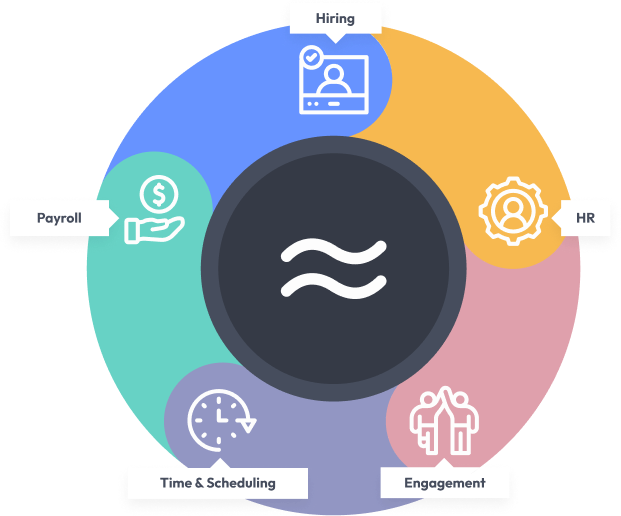

Hiring
Hire better quality workers, faster

HR
Streamline people processes and ensure employee records are always accurate

Engagement
Reduce turnover and increase worker engagement

Time & Scheduling
Manage schedules and hours worked to optimize your labor costs

Payroll
Pay your team quickly, easily, and accurately
resources
Become a hiring and onboarding expert.

Be smart with your hourly workforce
