



How to Hire MIG Welders: Proven Steps to Recruit, Screen, and Retain Top Welding Talent
Learn proven tips and best practices to hire MIG welders quickly and efficiently, ensuring your restaurant team gets skilled professionals for quality welding work.

How to Hire MIG Welders: A Practical Guide for Small Business Owners
Let’s be honest—finding the right people to hire MIG welders isn’t just about flipping through resumes and hoping for the best. Whether you’re running a busy fabrication shop, a growing franchise, or just trying to keep up with local demand, the process can feel like searching for a needle in a haystack. But don’t worry, you’re not alone. In fact, many business owners face the same challenge: high turnover, skill gaps, and the never-ending quest for reliable talent. So, how do you find welding staff that stick around and actually make an impact? Let’s roll up our sleeves and get into it.
Understanding the MIG Welder Landscape
Why MIG Welders Are in High Demand
MIG welding is everywhere—from auto repair shops to construction sites. The demand for skilled welders keeps rising, especially as older workers retire and fewer young folks enter the trades. According to the American Staffing Association, the staffing industry is seeing a steady uptick in requests for technical positions, welders included. That means competition is fierce, and you need to stand out to recruit welders who actually want to work for you.
What Makes a Great MIG Welder?
- Technical proficiency with MIG equipment and safety protocols
- Attention to detail—welding isn’t a job for the careless
- Reliability and punctuality (because nobody likes no-shows)
- Ability to read blueprints and follow instructions
- Strong communication skills—yes, even in the shop!
If you ask me, it’s not just about the technical chops. It’s about attitude and fit. Hiring for attitude can help you build a team that lasts.
Step-by-Step: How to Hire MIG Welders Who Stick Around
1. Write a Job Posting That Attracts the Right Talent
Generic ads just don’t cut it. Highlight what makes your business special, your pay rates, benefits, and growth opportunities. For inspiration, check out these job posting examples that attract quality hourly workers. And don’t forget to call out the perks—benefits matter more than ever in recruitment.
2. Source Candidates Where They Actually Are
Sure, you can post on Indeed, but don’t underestimate the power of social media and trade schools. Tap into local welding programs, community colleges, and even Facebook groups. For more tips, see how businesses use Instagram to hire hourly workers—it’s surprisingly effective!
3. Screen for Skills and Cultural Fit
Screening isn’t just about ticking boxes. Use structured interviews and practical tests. For behavioral interviews, the STAR method can help you dig into real-world experience. And don’t skip the cultural fit interview questions—they’ll save you headaches down the road.
4. Move Fast—But Not Carelessly
Speed matters. In this labor market, the best candidates get snapped up quickly. Tools like Workstream’s hiring automation can cut your time-to-hire in half, helping you schedule interviews and collect documents via text—no more chasing paperwork. That’s a game changer, especially when you’re juggling a million other tasks.
Common Pitfalls in MIG Welder Recruitment (And How to Dodge Them)
Don’t Overlook Soft Skills
It’s easy to focus on technical ability, but soft skills matter just as much. Communication, teamwork, and problem-solving are key. Check out this guide to identifying committed employees—it’s not just for office jobs!
Don’t Ignore Onboarding
First impressions count. A clunky onboarding process can turn off new hires fast. Streamline your onboarding with digital templates and reminders to get welders up to speed quickly. According to recent onboarding stats, a smooth start can boost retention and productivity.
Don’t Underestimate the Cost of Turnover
Losing a welder isn’t just inconvenient—it’s expensive. The cost of turnover can eat into your profits, especially if you’re constantly retraining. Investing in better hiring and retention strategies pays off in the long run.
Retention: Keeping Your Welders Happy (and Onboard)
Competitive Pay and Benefits
It’s no secret—pay matters. But so do benefits. Offering flexible schedules, paid time off, and health insurance can set you apart. The impact of benefits on retention is huge, especially in blue-collar fields.
Invest in Training and Growth
Welders want to grow their skills. Providing ongoing training not only improves quality but also shows you care about their future. For tips on effective training, check out this guide on training techniques.
Build a Positive Workplace Culture
People stay where they feel valued. Recognition programs, open communication, and a safe environment go a long way. For more on how culture impacts turnover, see this study on job satisfaction and turnover intention.
Workstream: Your Secret Weapon for Hiring MIG Welders
Here’s the thing—technology can make your life a whole lot easier. Workstream’s platform is designed for hourly businesses, automating everything from job postings to onboarding and payroll. You can manage applicants, schedule interviews, and even send out reminders, all from your phone. That means less paperwork, fewer headaches, and more time to focus on what matters—running your business. And with features that help you cut turnover by half and save thousands a year, it’s a tool worth considering.
Conclusion: Welding a Strong Team Together
Hiring MIG welders doesn’t have to be a shot in the dark. With the right approach—targeted job ads, smart screening, fast onboarding, and a focus on culture—you can build a team that sticks around and helps your business thrive. And if you’re ready to take things to the next level, platforms like Workstream can help you streamline the entire process, from recruiting to payroll. Honestly, in a world where every minute and every dollar counts, that’s a win you can feel good about.
More Resources for Small Business Owners
- Learn how to hire for restaurants and other hourly roles
- Discover creative tips for job postings that attract the best
- Explore ways to highlight benefits in your job descriptions
- Understand the difference between hourly and salaried jobs
- Check out traits of committed employees to look for
.svg)


All your important HR tasks under one roof
Today’s business owners and HR teams are overwhelmed with administrative tasks: manual processes and exports, duplicative data entry, and siloed information. Workstream centralizes and simplifies people tasks so you can move fast, reduce labor costs, and simplify operations—all in one place.
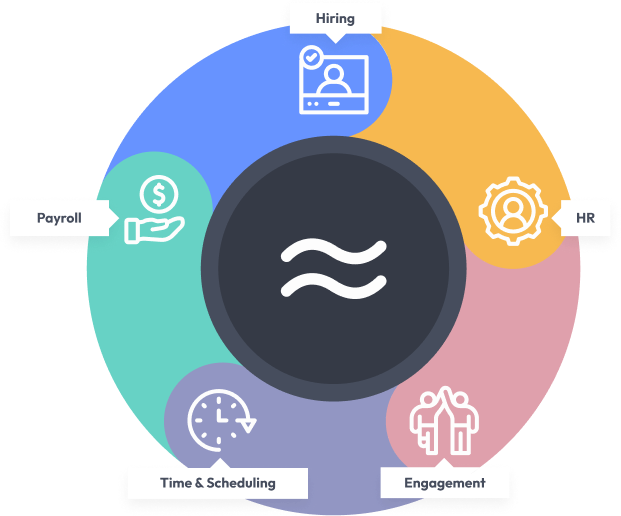

Hiring
Hire better quality workers, faster

HR
Streamline people processes and ensure employee records are always accurate

Engagement
Reduce turnover and increase worker engagement

Time & Scheduling
Manage schedules and hours worked to optimize your labor costs

Payroll
Pay your team quickly, easily, and accurately
resources
Become a hiring and onboarding expert.

Be smart with your hourly workforce
