



How to Hire Shipping Clerks: Step-by-Step Guide to Recruit and Retain Top Talent
Discover the best practices to hire shipping clerks efficiently, including job posting tips, interview questions, and onboarding strategies for your business.

How to Hire Shipping Clerks: A Practical Guide for Modern Businesses
If you ask anyone running a warehouse, distribution center, or even a busy backroom at a retail store, they'll tell you—finding and keeping great shipping clerks can feel like trying to catch lightning in a bottle. The logistics world moves fast, and the people behind the scenes—your shipping clerks—are the ones making sure the right packages get to the right places, on time, every time. So, how do you hire shipping clerks who’ll stick around, work hard, and keep your operation humming? Let’s break it down.
Understanding the Role: More Than Just Boxes and Labels
First, let’s get on the same page about what a shipping clerk actually does. They’re not just taping boxes or printing labels—these folks are the backbone of your logistics operation. From managing inventory records to coordinating with carriers, their attention to detail can make or break your customer experience. And honestly, with the rise in e-commerce and just-in-time delivery, the demand for skilled shipping clerks is only going up.
Key Responsibilities of Shipping Clerks
- Processing incoming and outgoing shipments
- Managing inventory and updating records—see recordkeeping requirements from the Department of Labor
- Coordinating with logistics partners and internal teams
- Ensuring compliance with safety and shipping regulations
When you’re looking to recruit logistics clerks, keep in mind that the best candidates are often those who thrive in fast-paced, detail-oriented environments. If you want a deeper dive into what makes a logistics pro tick, check out these traits of committed employees.
Shipping Clerk Recruitment: Where to Start?
Here’s the thing—finding great shipping clerks isn’t just about posting a job and hoping for the best. It’s about strategic sourcing, clear communication, and a hiring process that respects both your time and the candidate’s. With turnover rates in logistics and warehousing hovering higher than most industries, you can’t afford to get this wrong. High turnover costs more than you think—just ask Modern Restaurant Management.
Crafting a Standout Job Posting
- Be specific about duties and expectations. For inspiration, see these job posting examples.
- Highlight growth opportunities and benefits—these matter more than ever, especially for hourly roles (see DoorDash’s report on benefits).
- Use clear, inclusive language. For help, check out tips on writing handbooks and postings.
Where to Find Candidates
- Job boards like Indeed and Craigslist—learn how to maximize these with Craigslist job posting tips.
- Social media—don’t underestimate the power of Facebook groups for logistics workers, or even Instagram for attracting younger talent (see how Instagram can help).
- Employee referrals—these can be gold for finding reliable hires (SHRM’s referral program toolkit).
Screening, Interviewing, and Making the Offer
Once you’ve got a stack of applications, it’s time to separate the wheat from the chaff. But let’s be real—screening resumes for logistics roles can get repetitive fast. That’s where technology comes in. Platforms like Workstream can automate screening questions, schedule interviews, and even send reminders to candidates (which, by the way, can reduce interview no-shows by over 50%).
What to Look for in a Shipping Clerk
- Attention to detail and accuracy—mistakes here cost real money (see the cost of turnover).
- Basic computer skills—inventory and shipping are digital now.
- Reliability and a strong work ethic—sounds obvious, but it’s everything in logistics.
- Ability to work as part of a team—shipping clerks rarely work in isolation. For more on teamwork, see teamwork in the workplace.
Don’t forget to ask the right interview questions. For some inspiration, check out these motivational interviewing techniques and cultural fit interview questions.
Onboarding and Retention: The Secret Sauce
Here’s where a lot of businesses drop the ball. You’ve found your shipping clerk, but if you don’t have a smooth onboarding process, you risk losing them before they even get comfortable. A mobile-first onboarding platform like Workstream can cut onboarding time from hours to minutes, making your new hire feel welcome and ready to hit the ground running. For more onboarding tips, see these onboarding templates and Forbes’ onboarding advice.
Retention is the name of the game. If you want to keep your team happy, look at what’s working for other industries—like offering flexible schedules (impact of flexibility) or even daily pay options (instant pay access). Turnover in logistics is high, but with the right strategy, you can cut it in half—seriously, platforms like Workstream have the data to back it up.
Compliance, Legal Details, and Common Pitfalls
Now, let’s talk compliance—because nobody wants a surprise audit or lawsuit. Shipping clerks often deal with sensitive inventory and regulated goods, so you need to stay on top of wage and hour laws, recordkeeping, and safety training. The Department of Labor’s guidelines are a must-read for anyone hiring in logistics. And don’t forget OSHA training—safety is non-negotiable.
Common pitfalls? Underestimating the cost of turnover, neglecting training, or failing to provide clear advancement paths. For a deeper look at turnover’s impact, check out Michelin Guide’s analysis and Harver’s breakdown of turnover causes.
Disclaimer: This article is for informational purposes only and does not constitute legal advice. Always consult a qualified professional for compliance and HR matters.
Bringing It All Together: The Smart Way to Hire Distribution Clerks
Let’s face it—hiring and keeping top shipping clerks is tough, but it’s doable with the right tools and mindset. Focus on clear communication, efficient processes, and a little bit of empathy. After all, your shipping clerks are the unsung heroes who keep your business running smoothly. And if you’re ready to make your hiring process less stressful and more effective, consider a platform like Workstream—it’s built for businesses just like yours.
Quick Tips for Success
- Write clear, honest job postings—don’t oversell or undersell the role.
- Use technology to automate repetitive tasks and keep candidates engaged.
- Invest in onboarding and ongoing training—your retention rates will thank you.
- Stay compliant with wage, hour, and safety regulations.
- Keep an eye on industry trends—what worked five years ago may not work today.
Ready to take your shipping clerk hiring to the next level? Start with these job posting templates, explore hiring automation tools, or get inspired by creative job posting tips. Your next great hire is out there—don’t let them slip away.
Further Reading on Workstream
- Discover how hiring automation can transform your recruitment process
- Explore traits of committed employees for better long-term retention
- Check out onboarding templates to streamline new hire experiences
- Learn about creative job posting tips to attract top talent
- Get more insights on hiring automation for hourly roles
.svg)


All your important HR tasks under one roof
Today’s business owners and HR teams are overwhelmed with administrative tasks: manual processes and exports, duplicative data entry, and siloed information. Workstream centralizes and simplifies people tasks so you can move fast, reduce labor costs, and simplify operations—all in one place.
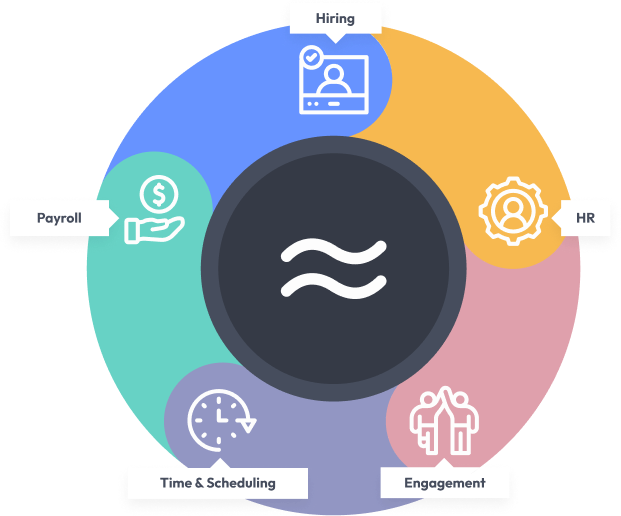

Hiring
Hire better quality workers, faster

HR
Streamline people processes and ensure employee records are always accurate

Engagement
Reduce turnover and increase worker engagement

Time & Scheduling
Manage schedules and hours worked to optimize your labor costs

Payroll
Pay your team quickly, easily, and accurately
resources
Become a hiring and onboarding expert.



Be smart with your hourly workforce
