



How to Hire Transportation Analysts: Proven Steps to Attract, Interview, and Retain Top Talent
Discover proven strategies to hire transportation analysts, streamline your recruitment process, and find the best talent for your restaurant’s logistics and supply chain needs.

How to Hire Transportation Analysts: Your Roadmap to Smarter Logistics
If you ask me, finding and hiring transportation analysts is a bit like tuning up an engine before a long-haul drive—get it right, and your whole operation runs smoother, faster, and with fewer breakdowns. But if you’re a small business owner or franchisee, you might be wondering: Where do I even start? Let’s break down the process, mix in some real-world advice, and sprinkle in a few detours for those unexpected bumps in the road.
Why Hire Transportation Analysts? (And What Do They Actually Do?)
Let’s not sugarcoat it—logistics and transportation are the backbone of any business that moves goods. Transportation analysts help you spot inefficiencies, cut costs, and keep your supply chain humming. They’re the folks who crunch numbers, optimize routes, and make sure your deliveries arrive on time (and without costing an arm and a leg).
But here’s the thing: The role has evolved. Today’s transportation analysts are expected to have a handle on logistics, data analytics, and even a touch of AI. If you’re looking to hire logistics analysts or recruit supply chain experts, you’ll want candidates who can juggle spreadsheets and software with equal finesse.
Key Responsibilities of Transportation Analysts
- Analyzing shipping and delivery data to spot trends and bottlenecks
- Recommending cost-saving strategies (think fuel, routes, and labor)
- Ensuring compliance with state and federal regulations (recordkeeping is no joke!)
- Collaborating with operations, warehouse, and customer service teams
- Reporting on KPIs and suggesting improvements
Honestly, it’s a lot to ask for in one person. But with the right approach, you can employ transportation analyst talent that fits your business like a glove.
Transportation Analyst Recruitment: Where to Begin?
So, where do you find these unicorns? The first step is to write a job description that’s both clear and compelling. If you’re stuck, check out these job posting examples and tips for employee handbooks to get your creative juices flowing.
Crafting the Ideal Job Posting
- Highlight the impact: Show how the analyst’s work will directly affect the bottom line.
- Be specific about required skills: Data analysis, route optimization, familiarity with TMS (Transportation Management Systems), and regulatory know-how.
- Mention growth opportunities: Everyone wants to know there’s room to move up.
- Include perks and benefits: According to DoorDash’s report, benefits are a game-changer for recruitment and retention.
And don’t be afraid to get a little creative. Some of the best recruitment ads use humor or storytelling to stand out.
Where to Source Candidates
- Online job boards and niche logistics sites
- Industry networking events and webinars (hiring and onboarding tips)
- Referrals from current employees (don’t underestimate the power of a good word!)
- Recruitment agencies specializing in supply chain and logistics
For a little extra edge, consider using Workstream’s hiring automation tools—they’re designed to help you filter, screen, and schedule interviews with less hassle. You can even optimize your hiring process with Indeed and other platforms.
Interviewing and Selecting the Right Transportation Analyst
Here’s where the rubber meets the road. Interviews should go beyond “Tell me about yourself.” You want to dig into how candidates approach real-world problems. Try questions like:
- “Walk me through how you’d optimize a delivery route with multiple stops and time windows.”
- “How do you stay updated on regulatory changes affecting transportation?”
- “Can you share a time when your analysis saved your company money or improved efficiency?”
For more ideas, check out motivational interviewing techniques and cultural fit questions to see if they’ll mesh with your team’s vibe.
Red Flags and Common Pitfalls
- Vague answers about past achievements
- Lack of experience with modern logistics software
- Unfamiliarity with compliance requirements (this can get expensive!)
- Poor communication skills—analysts need to explain complex findings in plain English
Honestly, a great analyst is worth their weight in gold. But don’t rush—take the time to check references and maybe even give a practical test. If you’re not sure where to start, pre-employment assessments can be a lifesaver.
Retention and Growth: Keeping Your Transportation Analysts Happy
So you’ve made the hire—now what? Retention is just as important as recruitment. High turnover in logistics can be a real budget-buster, as highlighted by employee turnover cost data and industry turnover trends. It’s not just about salary; benefits, flexibility, and recognition all play a role.
Best Practices for Retention
- Offer ongoing training and development (effective training sessions can make a big difference)
- Provide clear paths for advancement—no one wants to feel stuck
- Foster a positive, collaborative culture (see job satisfaction research)
- Recognize achievements, both big and small
And don’t forget compliance—keeping up with recordkeeping and labor regulations protects both your business and your employees.
Workstream: Your Partner in Transportation Analyst Recruitment
Let me explain why so many businesses are turning to Workstream’s all-in-one HR platform. With features like automated screening, digital onboarding, and mobile scheduling, you can hire transportation analysts faster and with fewer headaches. Plus, Workstream’s compliance tools help you avoid costly mistakes—because no one wants to deal with a $25K lawsuit over paperwork errors.
Honestly, if you’re still juggling spreadsheets and sticky notes, it might be time to give yourself a break. Workstream can help you replace multiple tools, cut costs, and keep your team connected—so you can focus on growing your business, not just running it.
Conclusion: The Road Ahead
Hiring transportation analysts isn’t just about filling a seat—it’s about building a smarter, more resilient business. Whether you’re looking to hire logistics analysts, recruit supply chain experts, or simply want to employ transportation analyst talent that’ll stick around, the key is a thoughtful, people-first approach. And if you ask me, that’s the kind of strategy that pays off mile after mile.
Want to Learn More?
- Check out how to streamline your hiring process
- Explore traits of committed employees to look for in your next analyst
- Discover tips for highlighting benefits in your job descriptions
- Read up on creative ways to attract top talent
- See how free job posting sites can expand your reach
.svg)


All your important HR tasks under one roof
Today’s business owners and HR teams are overwhelmed with administrative tasks: manual processes and exports, duplicative data entry, and siloed information. Workstream centralizes and simplifies people tasks so you can move fast, reduce labor costs, and simplify operations—all in one place.
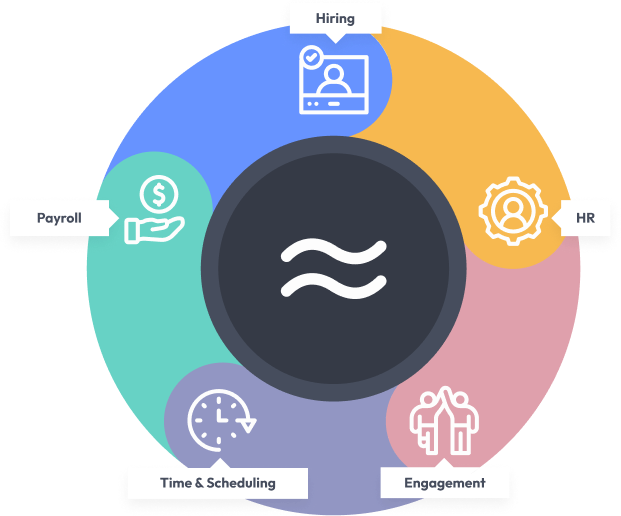

Hiring
Hire better quality workers, faster

HR
Streamline people processes and ensure employee records are always accurate

Engagement
Reduce turnover and increase worker engagement

Time & Scheduling
Manage schedules and hours worked to optimize your labor costs

Payroll
Pay your team quickly, easily, and accurately
resources
Become a hiring and onboarding expert.



Be smart with your hourly workforce
