



How to Hire CDL Drivers: Step-by-Step Guide for Small Businesses to Recruit and Retain Top Talent
Discover proven strategies to hire CDL drivers, attract top talent, and streamline your recruitment process for small business growth and compliance.

How to Hire CDL Drivers: A Modern Guide for Small Businesses
If you've ever tried to hire CDL drivers for your business, you know it’s not just about finding someone who can handle a big rig. It’s about safety, reliability, and, honestly, keeping your business rolling—literally. Whether you’re a restaurant owner branching into catering deliveries, a franchisee managing multiple locations, or a logistics manager staring at a whiteboard full of open routes, the right CDL driver can make or break your operation. Let’s break down what it really takes to hire commercial truck drivers who’ll stick around, keep your customers happy, and save you headaches down the road.
Understanding the CDL Driver Shortage: Why It’s So Hard to Find Good Help
First things first: you’re not alone in the struggle. The staffing industry has seen a persistent shortage of qualified drivers for years. The reasons are many—aging workforce, tough working conditions, and, let’s be real, a job that often means long hours away from home. According to industry reports, turnover rates for drivers can be sky-high, costing businesses thousands in recruitment and training every year.
So, what’s causing this churn? Experts point to factors like pay, benefits, and, crucially, company culture. If you’re not offering what drivers want, they’ll find someone who does. Simple as that.
What Makes a CDL Driver Stay?
- Benefits and perks that go beyond the basics.
- Fair and transparent pay (no one likes surprises on payday).
- Consistent schedules and a sense of respect from management.
- Opportunities for advancement or additional training.
Honestly, if you ask me, treating drivers like the professionals they are goes a long way. And if you’re still tracking hours and routes on paper, it might be time to rethink your process—more on that in a bit.
Building a CDL Driver Recruitment Strategy That Works
Now, let’s talk tactics. To recruit CDL drivers efficiently, you need a game plan that combines old-school relationship-building with modern tech. Here’s how you can stand out in a crowded market:
Write Job Descriptions That Actually Attract Drivers
Don’t just list requirements—sell the job. According to industry guides, clear, detailed postings that highlight benefits, company culture, and growth opportunities get more responses. If you need inspiration, check out these job posting examples tailored for hourly and shift-based roles.
Leverage Technology to Streamline Hiring
Manual paperwork and endless phone tag? That’s yesterday’s news. Platforms like Workstream automate everything from screening to interview scheduling, cutting your time-to-hire in half. And let’s face it, when you’re trying to hire freight truck drivers fast, every day counts.
- Automated text reminders reduce interview no-shows by up to 55%.
- Mobile-friendly applications reach drivers where they are—on the road.
- Digital onboarding means less time in the office, more time behind the wheel.
Want to see how this works in practice? Take a look at how Dunkin’ franchisees improved hiring and applicant experience with streamlined processes.
Expand Your Sourcing Channels
Don’t just rely on job boards. Use social media (yes, even Facebook groups), employee referrals, and specialized platforms. For more on digital recruiting strategies, check out these top digital recruiting tips.
And if you’re looking to get creative, these recruitment ad ideas might spark your next campaign.
Screening and Onboarding: Don’t Cut Corners
Once you’ve got applicants, the real work begins. Screening for safety, reliability, and the right attitude is non-negotiable. That’s where structured interviews and assessments come in. For practical interview tips, see the STAR method guide and motivational interviewing techniques.
And onboarding? The faster and smoother, the better. Digital onboarding tools can reduce paperwork from hours to minutes—no more chasing down signatures in the breakroom. For onboarding templates and checklists, check out these onboarding resources.
Compliance: Stay on the Right Side of the Law
Let’s not forget compliance. The Department of Labor requires accurate recordkeeping for all employees, including drivers. For the nitty-gritty, visit this DOL resource. Automated HR platforms like Workstream help ensure you’re not missing a step—saving you an average of $25K a year on lawsuits and fees. Not a bad trade-off for a little peace of mind, right?
Retention: Keeping Your Best CDL Drivers
Hiring is only half the battle. Keeping good drivers is where the real savings happen. According to Modern Restaurant Management, the cost of replacing a single front-line employee can hit nearly $6,000. Multiply that by a few departures, and you’re looking at a hefty bill.
What Keeps CDL Drivers Loyal?
- Competitive pay and benefits packages.
- Predictable, fair scheduling—nobody wants to be on call 24/7.
- Recognition and respect from management (a little goes a long way).
- Opportunities for training and advancement.
For more on reducing turnover, see how one fast-food chain keeps its rates low, or explore the causes and solutions for high turnover in the industry.
Practical Tips and Common Pitfalls
Let’s wrap up with a few practical tips—and a couple of “don’ts” that’ll save you time and money:
- Use efficient scheduling tools to avoid overpaying or understaffing.
- Highlight benefits and flexibility in your job ads—drivers notice.
- Don’t skip background and license checks. It’s tempting to rush, but one bad hire can cost you dearly.
- Stay compliant with all wage and hour regulations. Automated platforms help keep you out of hot water.
- Keep communication open. Use text-based platforms to keep drivers in the loop about schedules, changes, and company news.
And here’s a little nugget: businesses using integrated HR and payroll platforms like Workstream often replace up to seven separate tools, saving $30K a year. That’s a lot of fuel—or, you know, a new espresso machine for the breakroom.
Conclusion: Modern CDL Driver Recruitment Is All About Connection
If you want to hire CDL drivers who’ll stay, you need more than a job ad and a handshake. You need a process that respects drivers’ time, offers them real benefits, and makes their lives easier. Technology can help—big time—but it’s the human touch that seals the deal. Treat your drivers well, streamline your hiring and onboarding, and you’ll not only fill your trucks—you’ll keep them filled for the long haul.
Ready to make your hiring process easier? Learn more about hiring automation and Workstream’s platform for hourly businesses. For more tips and stories, check out our guides on restaurant hiring, committed employees, and calling out benefits in job descriptions.
.svg)


All your important HR tasks under one roof
Today’s business owners and HR teams are overwhelmed with administrative tasks: manual processes and exports, duplicative data entry, and siloed information. Workstream centralizes and simplifies people tasks so you can move fast, reduce labor costs, and simplify operations—all in one place.
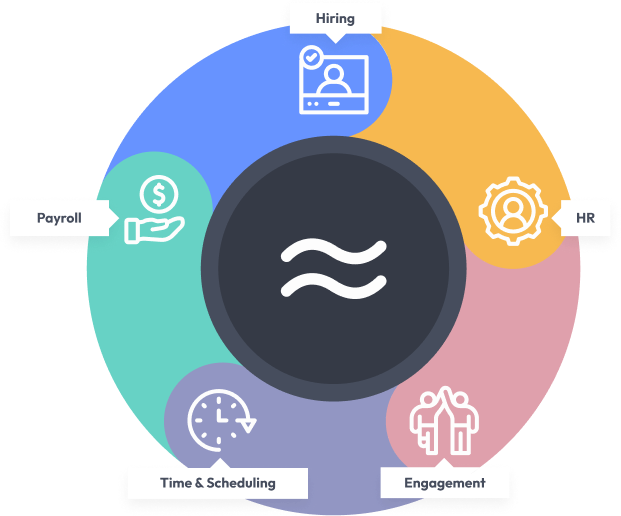

Hiring
Hire better quality workers, faster

HR
Streamline people processes and ensure employee records are always accurate

Engagement
Reduce turnover and increase worker engagement

Time & Scheduling
Manage schedules and hours worked to optimize your labor costs

Payroll
Pay your team quickly, easily, and accurately
resources
Become a hiring and onboarding expert.

Be smart with your hourly workforce
