



How to Hire Party Planners: Step-by-Step Guide for Restaurants & Small Businesses
Discover expert tips to hire party planners for your restaurant or small business. Streamline your hiring process and find the perfect event planning talent with these proven strategies.

How to Hire Party Planners: A Practical Guide for Small Businesses
Let’s be honest—throwing a memorable event is no walk in the park. Whether you’re running a restaurant, a catering company, or a local event venue, figuring out how to hire party planners who can juggle logistics, creativity, and customer service is a real challenge. But if you ask me, the right event coordinator can turn chaos into confetti. So, how do you find and recruit the perfect party planner or event organizer for your business? Let’s break it down, with a few stories, a dash of industry wisdom, and some actionable steps that’ll save you time, money, and a few headaches along the way.
Why Hiring the Right Party Planner Matters
Ever watched a party unravel because of a missed detail? It’s painful. A great event planner can make or break your reputation, especially in the restaurant and hospitality world. High turnover and poor hiring choices can cost you thousands, not to mention lost clients and bad reviews. According to industry research on turnover costs, losing a front-line employee can set you back nearly $6,000. That’s a lot of birthday cakes and balloon arches.
But here’s the thing: hiring a party planner isn’t just about finding someone who can book a DJ or pick out centerpieces. You need someone who can manage vendors, keep guests happy, and stay cool when the ice sculpture melts early. If you’re looking to hire party organizers who stick around and deliver results, you’ll want to focus on more than just resumes.
Understanding the Role: Event Coordinator vs. Party Planner
Sometimes the titles get tossed around—event coordinator, event planner, party organizer. They’re not always the same, but there’s plenty of overlap. An event coordinator typically handles logistics and execution, while a party planner often takes on creative direction and client communication. Either way, you want someone who’s organized, people-savvy, and able to handle curveballs (because there will be curveballs—trust me).
Where to Find and Recruit Top Party Planners
Alright, so you know what you need. But where do you actually find these unicorns? Here’s what works for small businesses and franchises:
- Leverage local networks: Word of mouth still works wonders. Ask vendors, other business owners, or even your regulars for recommendations.
- Use specialized job boards: Platforms like Workstream make it easy to reach hourly workers and hospitality pros.
- Social media recruiting: Don’t underestimate the power of Instagram and Facebook. For tips, check out how to use Instagram for hiring.
- Creative job postings: Stand out with fun, detailed listings. Need inspiration? See these job posting examples and creative tips.
Recruitment is a two-way street. Candidates are sizing you up, too. Highlight your company culture, perks, and growth opportunities in your postings. For more on attracting top talent, this DoorDash report on benefits and retention is packed with ideas.
Screening and Interviewing: What to Look For
Once you’ve got applicants, it’s time to separate the party pros from the party-poopers. Here’s what to watch for:
- Experience with similar events: Ask about their past gigs. Did they handle large weddings, corporate events, or quirky birthday parties?
- Problem-solving skills: Toss them a scenario—what would you do if the caterer cancels an hour before the event?
- Communication style: Are they clear, upbeat, and able to handle tough conversations?
- References: Always check references, especially from previous employers in the hospitality space.
For a deeper dive into interview techniques, check out these motivational interviewing tips and cultural fit questions. And if you want to streamline your entire hiring process, Workstream’s platform can automate screening, schedule interviews, and even send reminders—no more sticky notes lost under the register.
Setting Up Your New Party Planner for Success
Hiring is just the first step. Keeping your new event planner happy and productive is the real trick. High turnover is a huge issue in hospitality, as highlighted in this Michelin Guide article and this hospitality turnover breakdown. Here’s what you can do to beat the odds:
Onboarding and Training: Don’t Skimp
Start strong with a solid onboarding plan. A well-structured process can reduce turnover by half—seriously. Use digital onboarding tools (like these onboarding templates) to cut paperwork and get your new hire up to speed fast. For more on onboarding best practices, see this Forbes onboarding guide.
Scheduling and Communication
Party planners often work odd hours—nights, weekends, you name it. Flexible scheduling is key to keeping them engaged. For tips on smarter scheduling, check out this 24-hour schedule template and learn how technology gives employees more control over their shifts. And don’t forget—clear, timely communication keeps everyone on the same page. Tools like Axonify can help streamline team messaging.
Retention: Keeping Your Star Planner
Want your party planner to stick around? Offer competitive pay, flexible hours, and meaningful perks. According to this survey on employee happiness, recognition and growth opportunities matter just as much as money. And don’t forget to celebrate milestones—see this work anniversary guide for ideas.
Common Pitfalls and How to Avoid Them
Let’s pause for a reality check. Even the best hiring plans can go sideways. Here are a few classic mistakes (and how to dodge them):
- Vague job descriptions: Be clear about expectations, hours, and required skills. For help, check out this resource on job descriptions.
- Ignoring cultural fit: A party planner who doesn’t mesh with your team will cause friction. Use culture fit questions to gauge alignment.
- Skipping reference checks: Don’t let a charming interview fool you—always verify past performance.
- Neglecting onboarding: Throwing new hires into the deep end leads to frustration and early exits. Use structured onboarding templates for a smoother start.
And here’s a little secret—using an all-in-one HR platform like Workstream can help you avoid a lot of these headaches by automating repetitive tasks, keeping records tidy, and ensuring compliance (which, by the way, can save you up to $25K a year on lawsuits and fees).
Conclusion: Make Every Event a Success—Starting with the Right Hire
If you want to hire party planners who’ll help your business shine, it comes down to clarity, communication, and a bit of tech-savvy. From crafting standout job posts to onboarding and scheduling, every step matters. And while there’s no magic wand for perfect hires, leveraging tools like Workstream’s hiring automation can make the process faster, easier, and a whole lot less stressful. After all, wouldn’t you rather be celebrating with your guests than scrambling to fix last-minute disasters?
For more practical guides and real-world stories on hourly hiring, onboarding, and workforce management, check out these resources:
.svg)


All your important HR tasks under one roof
Today’s business owners and HR teams are overwhelmed with administrative tasks: manual processes and exports, duplicative data entry, and siloed information. Workstream centralizes and simplifies people tasks so you can move fast, reduce labor costs, and simplify operations—all in one place.
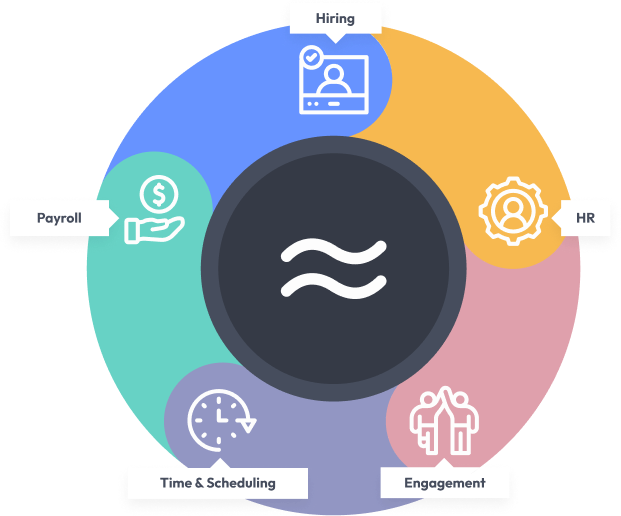

Hiring
Hire better quality workers, faster

HR
Streamline people processes and ensure employee records are always accurate

Engagement
Reduce turnover and increase worker engagement

Time & Scheduling
Manage schedules and hours worked to optimize your labor costs

Payroll
Pay your team quickly, easily, and accurately
resources
Become a hiring and onboarding expert.

Be smart with your hourly workforce
