



How to Hire Patient Care Technicians: Step-by-Step Tips for Hospitals & Clinics
Learn proven strategies to hire patient care technicians quickly and efficiently, including tips on sourcing, interviewing, and onboarding the best talent for your healthcare team.

How to Hire Patient Care Technicians: A Practical Guide for Hospitals and Clinics
Let’s be real—finding and keeping great patient care technicians (PCTs) can feel like a never-ending game of musical chairs. One minute you’ve got a solid team, the next you’re scrambling to fill shifts and wondering if there’s a better way. If you’re looking to hire patient care technicians who stick around and make a real difference, you’re in the right place. Let’s break down the essentials, from recruitment tips to onboarding, compliance, and a few “why didn’t I think of that?” moments along the way.
Why Hiring Patient Care Technicians Is Tougher Than It Looks
It’s no secret—turnover in healthcare is high, especially for hourly roles like PCTs. The stakes are high, too: these folks are the backbone of patient care, juggling everything from vital signs to emotional support. So, how do you recruit clinical support technicians who actually want to stay?
- Competition is fierce: Hospitals, clinics, and even long-term care facilities are all fishing from the same pond.
- Burnout is real: The physical and emotional demands of the job can wear down even the most dedicated techs.
- Pay and benefits matter: According to industry research, robust benefits and flexible schedules are key for retention—even in fields outside healthcare.
Honestly, if you’re not thinking about how you frame your benefits and work environment, you’re already a step behind.
Patient Care Technician Recruitment: Where to Start
Crafting a Job Description That Actually Works
Let’s face it, most job posts sound the same—so how do you stand out? Start by being specific about what makes your hospital or clinic unique. Highlight growth opportunities, training, and any perks that set you apart. For inspiration, check out these job posting examples or get creative with engaging recruitment ads.
Where to Find the Best Candidates
- Referral programs: Your current staff probably know folks who’d be a great fit. Tap into that network.
- Online platforms: Sites like Indeed, LinkedIn, and even Instagram can help you reach a wider pool. Here’s a quick guide on using Instagram to hire hourly workers.
- Community colleges and training programs: Build relationships with local schools that offer PCT certification. It’s a win-win—you get eager candidates, and they get job placement support.
Screening and Interviewing: Don’t Skip the Human Touch
Automated screening tools can save you hours (Workstream users save up to three hours per week per location!), but don’t forget the value of a real conversation. Use motivational interviewing techniques and cultural fit questions to find candidates who’ll mesh with your team—and your patients. The STAR method is a classic for a reason; here’s a quick refresher if you need it.
Hospital Technician Staffing: Avoiding Common Pitfalls
Compliance and Documentation: Don’t Let the Details Trip You Up
Healthcare is a compliance minefield. From background checks to immunization records, missing a single document can spell disaster. The U.S. Department of Labor has a checklist of what you need to keep on file. Digital onboarding platforms like Workstream can help keep everything organized, reducing manual errors and ensuring you’re always audit-ready.
Scheduling and Shift Management: The Secret Sauce for Retention
Ever notice how schedule chaos leads to burnout? Flexible, predictable scheduling is a game-changer for hourly staff. Research shows that unstable schedules drive turnover. Tools that let employees swap shifts or set their availability—like the ones built into Workstream’s platform—can save you headaches and keep your team happier. Plus, you’ll save about 1.7 hours per employee per week, which really adds up over the year.
Onboarding: Speed and Support Matter
First impressions count. A clunky onboarding process can send new hires running for the door. Streamline paperwork with digital onboarding templates and set up automated reminders so nothing falls through the cracks. According to recent onboarding stats, businesses that get this right see higher retention and faster ramp-up times.
Retention: Keeping Your Best Patient Care Technicians
Why Do Techs Leave—And How Can You Make Them Stay?
It’s not just about pay. Sure, money talks, but job satisfaction and a sense of belonging matter just as much. Consider offering perks like tuition reimbursement, wellness programs, or even instant pay access (check out how daily pay works for hourly staff). These small touches can make a big difference in how your team feels about coming to work.
- Recognition and growth: Celebrate milestones—big and small. A simple “thank you” goes a long way, but so does a clear path to advancement.
- Communication: Keep the lines open. Use team-wide announcements and feedback tools to make sure everyone feels heard.
- Benefits: If you ask me, investing in benefits isn’t just nice—it’s smart business. Studies show it boosts both recruitment and retention.
Smart Tools for Smarter Hiring
If you’re juggling spreadsheets, emails, and sticky notes, it might be time to rethink your approach. Platforms like Workstream let you automate everything from job postings to interview scheduling, background checks, and onboarding. You can even manage shift swaps and payroll in one place. That’s not just convenient—it’s a way to cut turnover in half, save $25K a year on compliance headaches, and free up your managers to focus on what really matters: patient care.
Don’t Just Take My Word for It
Need more proof? Check out the success story of a Dunkin’ franchisee who transformed their hiring process, or learn how Five Guys scaled up using smart hiring tools. If fast food chains can do it, so can your healthcare facility.
Conclusion: Building a Patient Care Technician Team That Lasts
Recruiting, hiring, and retaining great PCTs isn’t magic—it’s about using the right strategies and tools. Focus on clear job descriptions, streamlined onboarding, flexible scheduling, and genuine recognition. And if you’re ready to make your life a whole lot easier, consider an all-in-one solution like Workstream to bring it all together.
At the end of the day (oops, scratch that—let’s say “when the shift’s over”), your patients and your business will thank you. And hey, if you ever need more tips or want to see how other businesses are thriving, check out these handy resources:
.svg)


All your important HR tasks under one roof
Today’s business owners and HR teams are overwhelmed with administrative tasks: manual processes and exports, duplicative data entry, and siloed information. Workstream centralizes and simplifies people tasks so you can move fast, reduce labor costs, and simplify operations—all in one place.
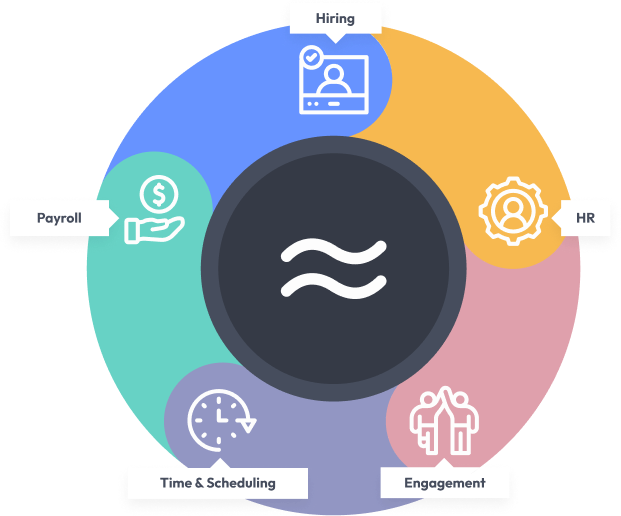

Hiring
Hire better quality workers, faster

HR
Streamline people processes and ensure employee records are always accurate

Engagement
Reduce turnover and increase worker engagement

Time & Scheduling
Manage schedules and hours worked to optimize your labor costs

Payroll
Pay your team quickly, easily, and accurately
resources
Become a hiring and onboarding expert.



Be smart with your hourly workforce
