



How to Hire Retail Assistants: Step-by-Step Guide to Recruiting Top Talent for Your Store
Learn proven strategies to hire retail assistants, from crafting job descriptions to onboarding, and build a reliable team for your store’s success.

How to Hire Retail Assistants: A Practical Guide for Store Owners
Hiring the right retail assistants can feel a bit like finding the perfect pair of shoes—essential, but sometimes a tricky fit. With competition for hourly talent heating up and turnover rates stubbornly high, store owners and managers are always looking for new ways to hire retail assistants who’ll stick around, engage with customers, and help drive sales. If you ask me, it’s about more than just filling shifts—it’s about building a team that feels like family, even on those hectic Saturday afternoons.
Why Retail Assistants Matter More Than Ever
Let’s be honest: your retail assistants are the face of your business. They’re the ones greeting customers, restocking shelves, and making sure every shopper leaves with a smile (and hopefully a full shopping bag). But high turnover in retail isn’t just annoying—it’s expensive. According to industry research, losing a single front-line employee can cost you nearly $6,000 in lost productivity, training, and recruitment. That’s money right out of your pocket.
So, what’s behind all this churn? Experts point to everything from lack of engagement to poor scheduling and unclear expectations. If you want to find store employees who’ll stay, you’ll need to rethink your approach from the ground up.
The Real Cost of Getting It Wrong
And here’s the kicker: turnover doesn’t just hit your wallet. It can drag down team morale, disrupt customer service, and even hurt your brand’s reputation. Modern Restaurant Management breaks down the numbers, but the message is clear—investing in better retail assistant recruitment pays off in the long run.
Building a Winning Retail Assistant Recruitment Strategy
Let’s get practical. How do you actually recruit retail staff who’ll thrive in your store? It starts with a clear plan, the right tools, and a dash of empathy. After all, nobody wants to work for a boss who doesn’t care about their well-being or growth.
Write Job Descriptions That Attract the Right People
Forget the generic “must be a team player” lines. Your job post should paint a picture of what it’s really like to work in your store. Highlight growth opportunities, flexible scheduling, and any perks you offer. For inspiration, check out these job posting examples and creative tips for job postings that get noticed by quality candidates.
Use Technology to Streamline Hiring
Honestly, if you’re still juggling paper applications and playing phone tag, you’re making life harder than it needs to be. Platforms like Workstream’s hiring automation can cut your time-to-hire in half by automating screening, interview scheduling, and onboarding. That means less paperwork, fewer headaches, and more time connecting with candidates who actually want the job.
And don’t forget about social media. Posting jobs on platforms like Instagram or Indeed can help you reach a wider pool of potential retail assistants, especially younger workers who live on their phones.
Screen for Attitude and Fit
Skills can be taught, but attitude is everything. Some of the most successful chains hire for attitude first and train for skill. Use motivational interviewing techniques and cultural fit interview questions to find candidates who’ll mesh with your team and values.
Move Fast—But Not Carelessly
Retail moves at lightning speed, and so should your hiring process. But don’t sacrifice quality for speed. Automated workflows, like those in Workstream’s platform, let you move candidates through the pipeline quickly while still ensuring you’re making smart decisions. Plus, with features like automated reminders and mobile-friendly onboarding, you reduce the risk of losing great candidates to competitors.
Onboarding and Retaining Your Retail Sales Associates
Hiring is just the beginning. If you want your new retail sales associate to stick around, you need a smooth onboarding process and a supportive work environment. Let me explain why that matters.
Make Onboarding Seamless and Welcoming
First impressions count. A clunky onboarding experience can leave new hires feeling lost or undervalued. Digital onboarding tools—like these onboarding templates—help new retail assistants complete paperwork, learn store policies, and get up to speed fast. Workstream’s mobile-first onboarding can shrink onboarding time from hours to minutes, so your team is ready to hit the sales floor in no time.
Invest in Engagement and Growth
It’s not all about the paycheck—though fair pay certainly helps. According to DoorDash’s research, benefits and recognition are huge drivers of retention. Regular feedback, opportunities for advancement, and even small perks like flexible shifts can make a world of difference. For more on what makes retail employees happy, check out this survey and these insights from Fortune.
And don’t forget communication. Clear, consistent updates—whether it’s about schedules, store goals, or team wins—keep everyone connected. Digital tools that allow for easy announcements and reminders, like those built into Workstream, can help reduce no-shows and boost morale.
Stay Compliant and Organized
Here’s something you can’t ignore: compliance. Keeping accurate records, following wage and hour laws, and managing benefits eligibility are all part of the job. The U.S. Department of Labor has strict requirements, so using an all-in-one platform to manage employee data and scheduling can save you from costly mistakes down the line.
Common Pitfalls and How to Avoid Them
Even the best managers slip up sometimes. Here are a few classic mistakes to watch for when you hire retail assistants—and how to sidestep them:
- Rushing the process: It’s tempting to hire the first warm body, especially when you’re short-staffed. But take a breath and make sure each candidate is the right fit.
- Ignoring onboarding: Skipping a proper welcome can leave new hires confused and disengaged. Use structured templates to set clear expectations from day one.
- Overlooking engagement: Regular check-ins, recognition, and growth opportunities keep your team motivated. Don’t let your retail assistants feel invisible.
- Manual scheduling headaches: Messy, last-minute schedules lead to burnout and turnover. Tools like 24-hour schedule templates can help you create fair, predictable shifts.
Why Workstream Makes Retail Assistant Hiring Easier
If you’re tired of juggling spreadsheets, sticky notes, and endless texts, you’re not alone. Workstream’s all-in-one HR and payroll platform is designed for businesses just like yours. With features that automate hiring, onboarding, scheduling, and payroll, it frees up your time—and, honestly, your sanity—so you can focus on what matters most: your people and your customers.
Workstream customers have cut turnover by half, reduced time-to-hire by 50%, and saved thousands in HR tool costs. That’s not just talk—it’s real results that let you build a stronger, happier team.
Conclusion: Make Retail Hiring Your Competitive Edge
At the end of the day, learning how to hire retail assistants isn’t just about filling empty slots. It’s about creating a team that loves coming to work, treats customers like neighbors, and helps your business grow. By combining smart technology, thoughtful processes, and a little bit of heart, you can turn hiring from a headache into your secret weapon. And if you’re ready to make that leap, Workstream is here to help you every step of the way.
Further Reading on Workstream
- Discover restaurant hiring tips for hourly roles.
- See how Dunkin’ franchisees improved hiring and applicant experience.
- Learn about traits of committed employees and how to spot them.
- Explore tips for calling out benefits in job descriptions to attract top talent.
- Get inspired by Culver’s growth secrets and how better hiring played a role.
.svg)


All your important HR tasks under one roof
Today’s business owners and HR teams are overwhelmed with administrative tasks: manual processes and exports, duplicative data entry, and siloed information. Workstream centralizes and simplifies people tasks so you can move fast, reduce labor costs, and simplify operations—all in one place.
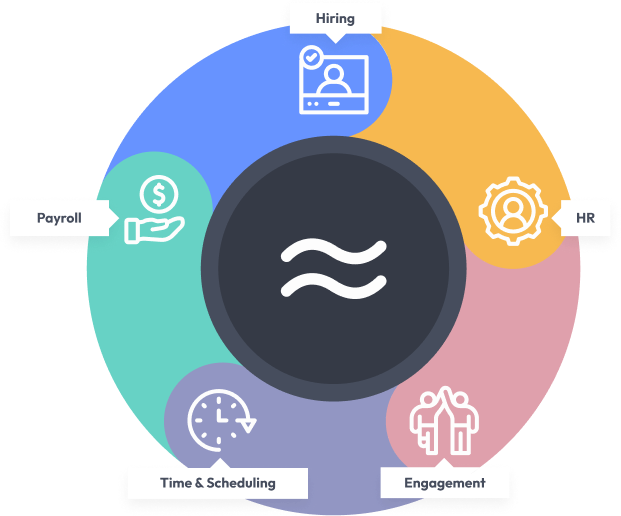

Hiring
Hire better quality workers, faster

HR
Streamline people processes and ensure employee records are always accurate

Engagement
Reduce turnover and increase worker engagement

Time & Scheduling
Manage schedules and hours worked to optimize your labor costs

Payroll
Pay your team quickly, easily, and accurately
resources
Become a hiring and onboarding expert.


Be smart with your hourly workforce
