



How to Hire Beauticians: Build a Winning Salon Team
Discover proven strategies to hire beauticians, streamline staffing, and build a loyal, high-performing beauty salon team with Workstream’s HR platform.

How to Hire Beauticians: Your Guide to Building a Winning Beauty Salon Team
If you run a beauty salon, you know that finding and keeping great beauticians can feel a bit like searching for that perfect shade of lipstick—sometimes elusive, always essential. The right staff shapes your reputation, keeps clients loyal, and helps your business thrive. But how do you actually hire beauticians who bring both skill and sparkle to your salon floor? Let’s talk shop, share some real-world tips, and sprinkle in a few stories and resources along the way.
Why Hiring the Right Beauticians Matters (More Than You Think)
Let me explain: your beauty salon staff isn’t just a collection of employees—they’re the heart and soul of your business. Every appointment is a chance to wow a client, and every team member can make or break that experience. If you ask me, high turnover in service businesses isn’t just a headache—it’s expensive and exhausting. Some studies show replacing a single front-line employee can cost thousands in lost productivity, recruitment, and training.
But here’s the thing—when you recruit beauticians who fit your culture and care about their craft, you reduce turnover, boost morale, and see more smiles (on both sides of the chair). For a deeper dive into the impact of benefits on staff retention, check out this DoorDash industry report.
What’s at Stake?
- Client loyalty: Clients follow their favorite stylists. Lose a star beautician, and you might lose their regulars too.
- Brand reputation: Your team’s professionalism (or lack thereof) is your calling card.
- Profit margins: Constant hiring drains time and money—something every small business owner feels.
Step-by-Step: How to Hire Beauticians Who Stick Around
1. Define What You Need—And What You Don’t
Start with clear job descriptions. It sounds basic, but you’d be surprised how many job ads are vague or outdated. Use resources like this guide on job descriptions to help you outline responsibilities, required skills, and even personality traits that mesh with your salon’s vibe. Don’t forget to highlight perks and growth opportunities—these matter more than ever now, especially for younger workers (see this HBR article).
If you want to stand out, get creative with your postings. For inspiration, check out these job posting examples and creative recruitment ads.
2. Source Candidates Where They Actually Are
The days of tacking up a “Help Wanted” sign are fading fast. Today’s beauty professionals hang out on Instagram, Facebook groups, and specialized job boards. If you’re not already using social media for hiring, you’re missing out—learn how to leverage platforms with this Instagram hiring guide.
Don’t overlook referrals from your current team—they often know talented folks looking for a new home. And if you need to cast a wider net, consider tools that automate outreach and screening (more on that soon).
3. Screen for Skills—and Attitude
You want technical chops, sure, but attitude is just as important. Some of the most successful salons hire for personality and train for skill (see this HBR case study). Ask situational questions, look for empathy and communication skills, and don’t be afraid to run a practical test—maybe a quick updo or color match.
For more interview inspiration, explore these motivational interviewing techniques or try these cultural fit questions.
4. Streamline Your Hiring Process (Because Time Is Money)
The longer it takes to hire, the more likely your top candidates will take another offer. Automating interview scheduling, using text-based applications, and sending digital onboarding paperwork can save hours—sometimes days—per hire. That’s where platforms like Workstream’s hiring automation shine: they cut time-to-hire by half and reduce interview no-shows by over 50%. If you’re juggling multiple locations or roles (stylists, nail techs, reception), an all-in-one tool can keep you sane.
The Legal Stuff: Compliance Isn’t Optional
I know—compliance isn’t exactly glamorous. But staying on top of wage laws, recordkeeping, and benefits eligibility is crucial for any beauty business owner. The U.S. Department of Labor spells out what records you need to keep for every employee in their official recordkeeping guide. And if you’re wondering about part-time hours or benefits eligibility for your beautician staffing, this part-time hours breakdown is worth bookmarking.
Disclaimer: This article offers general guidance only; always consult with a qualified HR professional or employment attorney to ensure full compliance with local and federal laws.
Retention: Keeping Your Best Beauty Professionals Happy
You’ve hired them—now how do you keep them? Compensation matters (no surprise there), but so do benefits, flexible schedules, and opportunities for advancement. According to this industry report on benefits, perks like health insurance or paid time off are increasingly important for recruiting and retaining top talent—even in hourly roles.
If you’re struggling with turnover (and who isn’t?), these resources on employee turnover causes, the real cost of turnover, and how to fix high turnover rates will open your eyes—and maybe save your bottom line.
A Few Retention Tips That Actually Work
- Offer growth: Training on new techniques or products keeps staff engaged (see effective training tips here).
- Create community: Team events or recognition programs boost morale—check out these work anniversary celebration ideas.
- Be flexible: Accommodate scheduling needs when possible; it’s one of the top reasons people stay or leave.
- Pay attention: Regular check-ins help catch issues early; learn more about engagement strategies from this Fortune article on hourly worker happiness.
The Role of Technology in Beautician Staffing (Yes, It’s a Game-Changer)
If you’re still managing schedules on paper or tracking applicants in a spreadsheet… honestly, it’s time for an upgrade. Modern HR platforms like Workstream are built for busy salon owners who want to spend less time shuffling paperwork and more time growing their business. From smart screening tools to automated reminders and mobile onboarding, technology makes it easier to recruit beauticians—and keep them happy once they’re on board.
You can even replace seven separate HR tools with one platform—saving serious cash (up to $30K per year!) and freeing up hours each week. Curious about how it works? Get the details on Workstream’s platform features.
A Quick Word on Compliance & Payroll
Your payroll system needs to handle hourly rates, overtime calculations, tips (for some roles), and benefits deductions—all while staying compliant with labor laws. If that sounds overwhelming, you’re not alone. Many small business owners are switching to integrated solutions that automate these headaches away (see how L&D teams are adapting here).
Conclusion: Build Your Dream Team—And Keep Them Thriving
No two salons are exactly alike—but every successful one has a strong team at its core. When you approach hiring beauticians as both an art and a science—balancing skill assessments with cultural fit, compliance with creativity—you set yourself up for long-term success.
If you’re ready to modernize your approach, consider leveraging technology designed specifically for beauty businesses and hourly teams. You’ll spend less time on admin work and more time doing what you love: helping clients look—and feel—their best.
Want More Tips?
- If you want to see how other franchises build strong teams, check out these stories about Five Guys’ growth journey, Dunkin’s franchise success story, or how Chick-fil-A expanded nationwide.
- Curious about hiring automation? Explore Workstream’s solutions for hair stylists, nail technicians, or browse all hourly workers for hire here.
- Dive deeper into compliance topics with our guides on part-time hours & benefits eligibility.
- If you want more hiring tips delivered straight from the experts, don’t miss our article on restaurant hiring strategies.
- Ready to streamline your entire process? See how Workstream can help with automated hiring workflows.
.svg)


All your important HR tasks under one roof
Today’s business owners and HR teams are overwhelmed with administrative tasks: manual processes and exports, duplicative data entry, and siloed information. Workstream centralizes and simplifies people tasks so you can move fast, reduce labor costs, and simplify operations—all in one place.
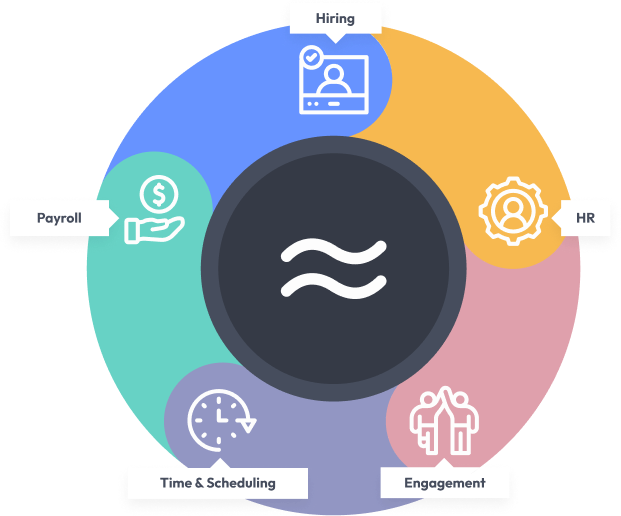

Hiring
Hire better quality workers, faster

HR
Streamline people processes and ensure employee records are always accurate

Engagement
Reduce turnover and increase worker engagement

Time & Scheduling
Manage schedules and hours worked to optimize your labor costs

Payroll
Pay your team quickly, easily, and accurately
resources
Become a hiring and onboarding expert.

Be smart with your hourly workforce
