



How to Hire Radiation Therapists: Proven Tips for Effective Oncology and Medical Staffing
Learn how to hire radiation therapists efficiently with our step-by-step guide—find, evaluate, and onboard top talent for your healthcare team.

How to Hire Radiation Therapists: A Practical Guide for Medical and Oncology Staffing
Let’s be honest—finding and keeping top-notch radiation therapists can feel like searching for a needle in a haystack, especially when you’re juggling patient care, compliance, and ever-changing technology. If you’re in charge of radiation therapist recruitment or looking to hire medical staff for your oncology department, you know the stakes are high. Patients depend on your team’s expertise, and turnover isn’t just a headache—it can ripple through your entire operation. So, what’s the secret sauce for building a reliable, skilled radiation therapy team? Let’s break it down together.
Understanding the Demand: Why Hiring Radiation Therapists Is So Challenging
First off, demand for qualified radiation therapists is rising. Advances in cancer treatment, an aging population, and increased cancer screening mean more patients need care. But here’s the catch: the supply of certified professionals isn’t keeping up. According to the American Staffing Association, healthcare staffing shortages are a persistent challenge, especially in specialized roles like radiation therapy.
On top of that, oncology staffing requires a unique blend of technical skill, compassion, and resilience. If you ask me, it’s not just about filling a position—it’s about finding someone who fits your culture and can handle the emotional toll of cancer care. That’s why a thoughtful approach to radiation therapy recruitment can make all the difference.
Common Pitfalls in Radiation Therapist Recruitment
- Relying too heavily on generic job boards instead of specialized healthcare platforms
- Neglecting to highlight growth opportunities or continuing education in your job postings
- Slow or cumbersome hiring processes that drive candidates to competing employers
- Overlooking the importance of onboarding and team integration
Crafting the Perfect Job Description: Attracting Top Talent
Here’s the thing: your job description is your first handshake with potential candidates. It needs to be clear, inviting, and honest about what makes your workplace unique. The team at Sling offers great advice on writing effective employee handbooks, and many of those principles apply here—clarity, transparency, and a focus on culture.
Don’t forget to spotlight benefits and flexibility. According to DoorDash’s report on the impact of benefits, perks like health insurance, paid time off, and professional development can be the deciding factor for candidates. Even in healthcare, where certain benefits are expected, highlighting them in your job ad can set you apart.
What to Include in Your Job Post
- Clear role expectations and required certifications
- Opportunities for advancement or specialization
- Details on scheduling, shift flexibility, and work-life balance
- Information about your team culture and values
- Any unique perks or benefits (tuition reimbursement, wellness programs, etc.)
For inspiration, check out these job posting examples tailored to attract quality candidates.
Streamlining the Hiring Process: From Application to Onboarding
Now, let’s talk process. You can’t afford to lose great candidates because your hiring steps are slow or confusing. In fact, research from Appcast’s Recruitment Marketing Benchmark Report shows that faster response times and clear communication boost applicant conversion rates.
Modern tools can help. Platforms like Workstream let you automate interview scheduling, screen candidates efficiently, and even send digital onboarding documents right to a candidate’s phone. This isn’t just about saving time—it’s about making a good first impression. If your process feels modern and respectful, candidates notice.
Practical Steps for Efficient Radiation Therapist Hiring
- Use pre-employment assessments to screen for technical and soft skills (eSkill’s assessment platform is a good example)
- Automate interview scheduling to reduce back-and-forth and speed up decision-making
- Provide digital onboarding packets to streamline paperwork and compliance
- Send regular updates to candidates so they know where they stand
For more tips, you can explore hiring and onboarding do’s and don’ts from industry experts.
Retention Matters: Keeping Your Radiation Therapists Engaged
Hiring is only half the battle—retention is where the real magic happens. High turnover in healthcare, especially in oncology, can disrupt patient care and morale. According to Michelin Guide’s look at turnover and Notch’s analysis of turnover costs, replacing a skilled worker can cost tens of thousands of dollars in lost productivity and recruitment expenses.
So, what keeps radiation therapists happy and loyal? It’s a mix of fair pay, supportive management, and opportunities for growth. A Harvard Business Review article on engagement and retention of hourly workers found that clear career paths and regular feedback are key. And don’t underestimate the power of a strong team culture—people want to feel like they belong.
Retention Strategies That Work
- Offer continuing education and certification support
- Recognize achievements, both big and small
- Foster open communication and regular check-ins
- Provide flexible scheduling when possible
- Support mental health and well-being
If you’re looking for more ways to boost engagement, these tips for engaging hourly workers can be adapted for healthcare teams, too.
Compliance and Legal Considerations: Don’t Drop the Ball
Compliance isn’t exactly the most thrilling topic, but it’s critical—especially in healthcare. Accurate recordkeeping, credential verification, and adherence to labor laws protect both your staff and your business. Automated HR platforms like Workstream can help you keep track of employee documentation, certifications, and training records, reducing the risk of costly mistakes.
And don’t forget—background checks and license verification are musts for radiation therapists. If you’re not sure where to start, these onboarding templates can help you cover your bases.
Disclaimer: This article is for informational purposes only and does not constitute legal advice. Always consult with a qualified HR or legal professional for compliance questions.
Why Workstream Makes Sense for Medical Staffing
Honestly, if you’re looking to hire radiation therapists and streamline your oncology staffing, Workstream’s platform is worth a look. It’s built for hourly and specialized roles, with features that automate repetitive tasks, cut down on paperwork, and keep your team connected. You can learn more about their product suite and see how it’s helping other healthcare businesses reduce turnover by half and save on HR costs.
Conclusion: Building a Strong Radiation Therapy Team
Hiring and keeping radiation therapists isn’t easy, but with the right approach, it’s absolutely doable. Focus on clear job postings, a streamlined hiring process, and retention strategies that show you value your team. And if you want to make your life a little easier, consider an all-in-one HR platform like Workstream to handle the heavy lifting.
After all, your patients—and your peace of mind—depend on having the right people in place. Isn’t it time to make hiring a little less stressful and a lot more successful?
Further Reading from Workstream
- Learn more about hiring automation for medical staff
- Discover onboarding templates for a great new hire experience
- Explore Workstream’s story and mission
- See how Workstream’s platform can support your team
- Check out key hiring statistics for hourly and specialized roles
.svg)


All your important HR tasks under one roof
Today’s business owners and HR teams are overwhelmed with administrative tasks: manual processes and exports, duplicative data entry, and siloed information. Workstream centralizes and simplifies people tasks so you can move fast, reduce labor costs, and simplify operations—all in one place.
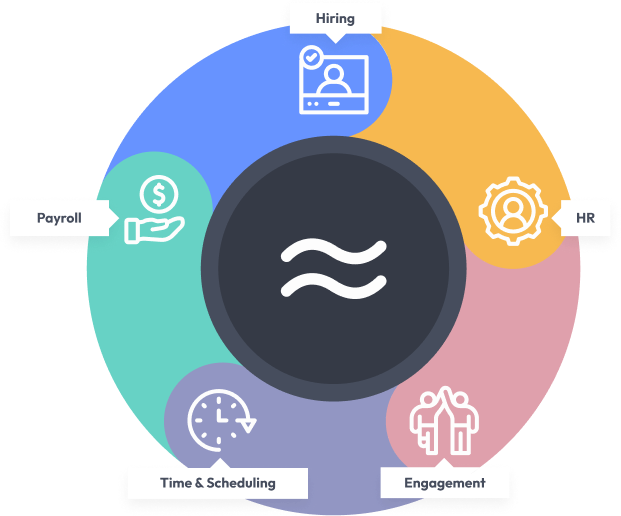

Hiring
Hire better quality workers, faster

HR
Streamline people processes and ensure employee records are always accurate

Engagement
Reduce turnover and increase worker engagement

Time & Scheduling
Manage schedules and hours worked to optimize your labor costs

Payroll
Pay your team quickly, easily, and accurately
resources
Become a hiring and onboarding expert.



Be smart with your hourly workforce
