



How to Hire Carers: Streamline Your Caregiver Recruitment and Onboarding Process
Streamline how you hire carers and caregivers with Workstream’s all-in-one platform—making it easy to find, onboard, and manage home care workers and personal care assistants efficiently.

How to Hire Carers: A Practical Guide for Small Business Owners
If you’ve ever tried to hire carers—or, as some folks call them, home care workers or personal care assistants—you know it’s not just about filling a slot on your schedule. It’s about trust, reliability, and, honestly, the peace of mind that comes from knowing your clients or loved ones are in good hands. The stakes are high, and the process can get a little overwhelming. But don’t worry; we’re going to break it down together, with some real-world advice, a few stories from the trenches, and a look at how technology (like Workstream’s hiring automation) is changing the game for small businesses.
Why Hiring Carers Is Different (and Why That Matters)
Let’s be real: when you hire caregivers, you’re not just adding another name to the payroll. You’re bringing someone into people’s homes, into their daily lives. That’s a level of intimacy and responsibility you don’t get in most jobs. This means your hiring process needs to be thorough, thoughtful, and—above all—human.
The Emotional Side of Companion Care Staffing
Here’s the thing: families aren’t just looking for someone to help with meals or medication. They want someone who’ll treat their loved ones with dignity and warmth. According to research on turnover in hospitality, emotional connection and job satisfaction play a huge role in retention—something doubly true in care roles.
- Empathy: Can your candidate genuinely connect with clients?
- Reliability: Will they show up, day after day, even when it’s tough?
- Communication: Are they comfortable reporting concerns or changes?
Honestly, if you ask me, these “soft skills” are just as important as any certification.
Legal and Compliance Considerations (Don’t Skip This!)
Before you jump right in to find home care workers, remember: there are legal hoops to jump through. From background checks to wage laws, compliance can be a minefield—especially for small business owners juggling a million other things.
- Understand recordkeeping requirements with guidance from the U.S. Department of Labor.
- Stay up-to-date on employment law through resources like Fisher Phillips.
- If you’re providing accommodations or dealing with ADA issues, Job Accommodation Network has practical tips.
Disclaimer: This isn’t legal advice—always consult a qualified professional for your specific situation!
The Step-by-Step Process: How to Hire Carers Who Stick Around
1. Crafting the Right Job Description
Your job post is your first impression. Make it count! Highlight not just duties but also your company culture and any perks (even small ones). For inspiration, check out these best job posting examples and tips on calling out benefits in your job descriptions.
- Be specific about responsibilities—don’t sugarcoat the tough parts.
- Mention opportunities for growth or training (people want to know there’s a future).
- Include salary ranges; transparency is key (see why salary matters in job ads).
2. Sourcing Candidates: Where and How?
You might find great candidates through word of mouth, but don’t underestimate digital tools. Posting on platforms like Indeed or Craigslist is still effective—just make sure you know the do's and don'ts for Craigslist postings. Social media is also a goldmine; here’s how to use Instagram for hiring hourly workers.
If you’re pressed for time (who isn’t?), consider using an all-in-one platform like Workstream’s hiring automation. It can help you screen candidates faster and reduce time-to-hire by half—which is no small feat when turnover is high.
3. Screening and Interviewing: Go Beyond the Resume
Sure, certifications matter. But so does attitude. Use structured interview techniques—like the STAR method—to dig into real-life scenarios. And don’t forget the importance of cultural fit; these cultural fit interview questions can help you spot red flags early.
- Ask about past experiences with difficult clients or emergency situations.
- Consider trial shifts or shadowing days (with proper consent and pay).
- If you need inspiration for motivational interviewing, check out these motivational interview techniques.
4. Onboarding and Training: Set Them Up for Success
The first days on the job matter—a lot. A structured onboarding process reduces confusion and sets clear expectations. For a smoother experience, try using these onboarding templates for new hires. And if you want to go deeper, here’s what makes onboarding work from the experts at Forbes.
Training shouldn’t stop after week one. Ongoing learning—whether it’s CPR certification or communication skills—keeps your team sharp and engaged. Explore effective training strategies at BLR Training Today.
Troubleshooting: Common Pitfalls When You Hire Personal Care Assistants (And How to Avoid Them)
Pitfall #1: High Turnover Rates
If your team feels like a revolving door, you’re not alone. The cost of turnover is staggering—sometimes up to $5,864 per lost employee (see why turnover is so expensive). Want to keep people around? Focus on engagement, recognition, and flexibility. Learn more about what makes employees happy in this 7shifts survey on employee happiness.
Pitfall #2: Burnout and Scheduling Chaos
Caring is demanding work—and burnout is real. Use smart scheduling tools (like this 24-hour schedule template) to prevent overload, and give employees more control over their shifts (see how Gap does it). Workstream can help here too by automating reminders and shift swaps.
Pitfall #3: Compliance Slip-Ups
No one wants to get hit with fines or lawsuits. Keep meticulous records (the DOL has a handy guide on wage recordkeeping) and stay current on labor laws with resources from Fisher Phillips. Automating paperwork through platforms like Workstream can save serious headaches—and up to $25K a year in avoided fees.
The Future of Companion Care Staffing: Tech, Trends, and Human Touch
The world of companion care staffing is changing fast. With more seniors aging at home and families demanding higher standards, expectations are rising—and so are the challenges. But here’s the silver lining: technology is making it easier than ever to find, hire, train, and retain top talent.
- Mobile-first platforms: Tools like Workstream let you manage everything from your phone—perfect for busy managers who never sit still.
- Automated screening: AI-powered workflows can save hours per week and reduce interview no-shows by over half (see how hourly hiring automation works).
- Integrated payroll: Paying staff quickly keeps morale high; learn about instant pay access in this article on daily pay for hourly workers.
- Retention strategies: Get creative with perks and recognition programs—these perks work even better than raises sometimes.
If you’re curious about broader trends shaping hourly workforces, check out this deep dive on what keeps hourly workers loyal—and what doesn’t.
Conclusion: Building Trust One Hire at a Time
If you’ve made it this far, you already know that to hire carers well is both an art and a science. There’s no magic bullet—but there are proven steps that make life easier for everyone involved. Focus on empathy, compliance, transparency, and ongoing support. Use tech tools where they make sense (seriously, don’t try to do it all by hand), but never lose sight of the human touch that makes care work so meaningful.
If you want more actionable advice or tools designed specifically for small businesses hiring hourly staff—including everything from smart screening to digital onboarding—take a look at what Workstream offers for new hire onboarding. And remember: every great carer you bring on board isn’t just helping your business—they’re making someone’s life better every single day.
Want More Resources?
.svg)


All your important HR tasks under one roof
Today’s business owners and HR teams are overwhelmed with administrative tasks: manual processes and exports, duplicative data entry, and siloed information. Workstream centralizes and simplifies people tasks so you can move fast, reduce labor costs, and simplify operations—all in one place.
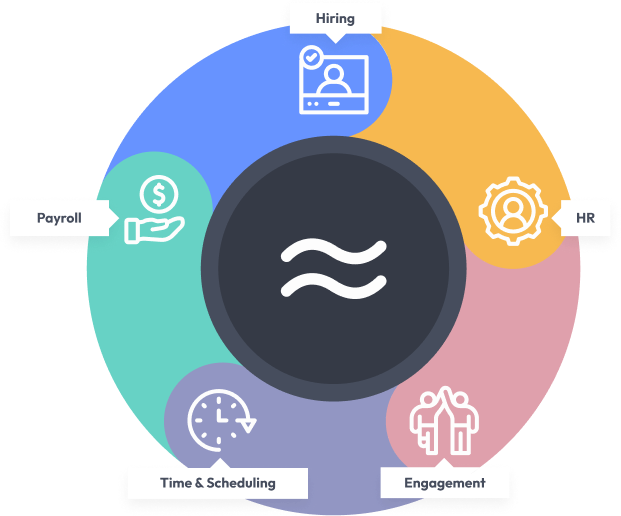

Hiring
Hire better quality workers, faster

HR
Streamline people processes and ensure employee records are always accurate

Engagement
Reduce turnover and increase worker engagement

Time & Scheduling
Manage schedules and hours worked to optimize your labor costs

Payroll
Pay your team quickly, easily, and accurately
resources
Become a hiring and onboarding expert.


Be smart with your hourly workforce
