



How to Hire Personal Stylists: Your Step-by-Step Guide to Building a Winning Team
Discover expert tips and best practices to hire personal stylists for your business. Streamline your recruitment process and find top talent with our step-by-step hiring guide.

How to Hire Personal Stylists: A Practical Guide for Modern Businesses
Ever feel like finding the right person to help others look and feel their best is a little like hunting for a needle in a haystack? If you’re a salon owner, boutique manager, or even a retail chain HR lead, you know that to hire personal stylists is about so much more than a resume and a handshake. It’s about vibe, skill, and the ability to connect with clients on a personal level. Let’s walk through what it really takes to build a winning team of personal stylists and why getting it right can make all the difference for your business and your customers.
Why Hiring the Right Personal Stylist Matters
First off, let’s get real—your stylists are the face of your brand. They’re the ones making customers feel confident, comfortable, and ready to take on the world. The right hire can boost your bottom line, drive repeat business, and turn first-timers into loyal fans. But the wrong fit? Well, that can lead to high turnover, unhappy clients, and a whole lot of headaches.
According to industry research, losing just one frontline employee can cost thousands in lost productivity, recruitment, and training. And if you’re in the hourly workforce game, you know that turnover can be a real profit killer. That’s why it pays—literally—to invest in a thoughtful, strategic approach to personal stylist recruitment.
What Makes a Great Personal Stylist?
- Technical skill: Sure, they need to know their way around a wardrobe, but that’s just the start.
- Communication: Can they listen and translate a client’s vision into reality?
- Empathy: Are they able to make someone feel seen and understood?
- Adaptability: Trends change—can your stylist keep up?
And don’t forget, a great stylist is a bit of a therapist, a cheerleader, and a trend-spotter all rolled into one. No pressure, right?
Building a Smart Personal Stylist Recruitment Process
So, how do you actually hire personal stylists who check all those boxes? Here’s the thing: it starts with a clear, compelling job description. Don’t just list duties—paint a picture of what success looks like in your shop or studio. For inspiration, check out these job posting examples tailored for hourly roles.
Crafting the Perfect Job Ad
- Highlight growth opportunities and unique perks—people want to know what’s in it for them.
- Be transparent about pay, hours, and expectations. According to SHRM research, salary is often the first thing job seekers look for.
- Call out benefits—flexible scheduling, instant pay access, or ongoing training can set you apart. For more on this, see how benefits impact recruitment and retention.
And if you’re struggling to stand out, try these creative tips for job postings to make your ad pop.
Screening and Interviewing: Go Beyond the Resume
Once you’ve got applicants rolling in, it’s time to separate the stylists from the, well, not-so-stylish. Use a mix of motivational interviewing techniques and cultural fit questions to get a sense of their personality and approach. Don’t be afraid to ask for a portfolio or even a quick style challenge—sometimes, seeing is believing.
And let’s be honest, a little automation goes a long way. Platforms like Workstream can help you schedule interviews, screen candidates, and move the best ones forward—saving you hours each week and cutting your time-to-hire in half. That’s time you can spend building your business instead of drowning in paperwork.
Onboarding, Training, and Retaining Your Dream Team
Hiring is just the start. To keep your new wardrobe stylist or fashion consultant happy and productive, you need a smooth onboarding process and ongoing support. According to recent onboarding stats, a strong start can make a huge difference in retention and engagement.
Onboarding Essentials
- Welcome them with a clear training plan—don’t just throw them in the deep end.
- Set expectations for service, sales, and client care.
- Offer shadowing or mentorship with a seasoned pro.
- Use mobile-friendly tools for paperwork and compliance—no one likes a stack of forms on day one.
For a step-by-step approach, check out these onboarding tips and onboarding templates designed for hourly and creative roles.
And don’t forget, ongoing training is key. Whether it’s seasonal trend updates, new product launches, or customer service refreshers, keeping your team learning is a surefire way to boost morale and performance. If you ask me, it’s like watering a plant—skip it, and things wilt fast.
Retention: Keeping Your Stylists Engaged
Retention is the name of the game. High turnover in retail and beauty can be brutal, but there are proven ways to hold onto your best people:
- Recognize and reward great work—sometimes a simple thank you goes a long way (employee recognition matters).
- Offer flexible schedules—life happens, and flexibility is a top priority for many hourly workers (work-life balance research).
- Provide clear paths for advancement—nobody wants to feel stuck.
- Invest in technology that makes their job easier, like Workstream’s mobile-first HR tools for scheduling, communication, and payroll.
For more on what keeps employees happy, see this survey of what makes hourly workers tick and the latest research on engagement and retention.
Compliance, Legal Details, and Avoiding Common Pitfalls
Now, a quick pit stop for the nitty-gritty. When you hire fashion consultants or image consultants, you’ve got to keep an eye on compliance—think wage and hour laws, anti-discrimination rules, and proper recordkeeping. The U.S. Department of Labor has a handy checklist for what you need to track. And if you’re offering benefits, make sure you understand eligibility rules for part-time versus full-time staff—here’s a guide to part-time hours and benefits that breaks it down.
One common pitfall? Rushing the process. It’s tempting to fill a gap fast, but a bad hire can cost you far more in the long run. Take your time, trust your gut, and lean on tech to help you make smarter, faster decisions.
Legal Disclaimer
This article is for informational purposes only and does not constitute legal advice. Always consult with a qualified attorney or HR professional regarding employment law and compliance in your area.
Conclusion: Set Your Business—and Your Stylists—Up for Success
Hiring personal stylists isn’t just about finding someone who can put together a killer outfit. It’s about building a team that reflects your brand, delights your customers, and helps your business grow. With a thoughtful recruitment process, smart onboarding, and a focus on retention, you can create an environment where stylists thrive—and your business reaps the rewards.
And if you’re ready to make your hiring process as smooth as a silk scarf, consider exploring Workstream’s hiring automation platform—it’s built for hourly businesses like yours, with tools to help you hire a hair stylist or any other creative role, fast. For more practical tips and real-world examples, check out these resources:
- Creative job posting tips
- Onboarding templates for new hires
- Best job posting examples
- How to highlight benefits in job descriptions
- Restaurant hiring tips
Honestly, finding the perfect stylist might take a little work, but when you get it right, it’s a game-changer. Ready to get started?
.svg)


All your important HR tasks under one roof
Today’s business owners and HR teams are overwhelmed with administrative tasks: manual processes and exports, duplicative data entry, and siloed information. Workstream centralizes and simplifies people tasks so you can move fast, reduce labor costs, and simplify operations—all in one place.
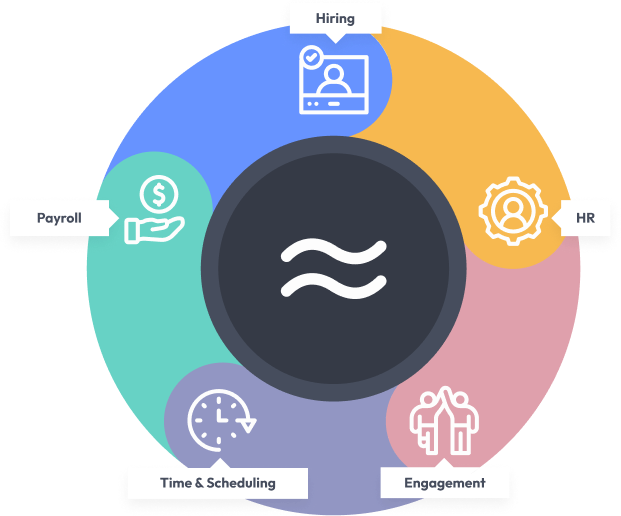

Hiring
Hire better quality workers, faster

HR
Streamline people processes and ensure employee records are always accurate

Engagement
Reduce turnover and increase worker engagement

Time & Scheduling
Manage schedules and hours worked to optimize your labor costs

Payroll
Pay your team quickly, easily, and accurately
resources
Become a hiring and onboarding expert.

Be smart with your hourly workforce
