



How to Hire Bar Managers: A Practical Guide for Small Business Owners
Discover how to hire bar managers who boost retention, cut costs, and lead your team—plus tips for recruiting, onboarding, and compliance.

How to Hire Bar Managers: A Practical Guide for Small Business Owners
If you run a bar, restaurant, or franchise, you know the bar manager is the backbone of your operation. But how do you hire bar managers who can juggle inventory, staff drama, and Friday night chaos—without losing their cool? Let’s roll up our sleeves and get into the real-world details of bar manager recruitment, with a few digressions and plenty of actionable tips.
The Real Stakes: Why Hiring the Right Bar Manager Matters
Honestly, finding someone who can handle late nights, tight margins, and a revolving door of staff isn’t just about checking off skills on a list. It’s about building a culture that keeps your team engaged and your customers coming back. Did you know that high employee turnover can cost your business thousands each year? The right manager can cut those costs in half—and that’s not an exaggeration.
Let me explain: Turnover in hospitality is driven by everything from burnout to bad scheduling. A great bar manager doesn’t just pour drinks—they build loyalty, spot talent, and keep the peace when tempers flare.
What Makes a Great Bar Manager?
- Leadership: Can they inspire a team during a slammed happy hour?
- Financial Savvy: Do they understand margins, waste, and upselling?
- Flexibility: Are they cool with last-minute schedule swaps?
- Compliance: Do they know labor laws and safe alcohol service?
For more on what sets top managers apart, check out these qualities of a good manager.
The Bar Management Hiring Process: From Job Posting to Day One
You might think bar management hiring is just about posting an ad and waiting for resumes. But if you ask me, that’s like hoping your keg will change itself. Here’s how to make your process work smarter, not harder.
Step 1: Write a Standout Job Description
Your job description should be more than a laundry list of duties. Highlight growth opportunities, benefits, and what makes your bar unique. Need inspiration? See these job posting examples and tips for writing handbooks.
Step 2: Source Candidates Where They Actually Look
- Social media recruiting: Instagram and Facebook aren’t just for customers—they’re where your next bar manager is scrolling.
- Digital recruiting strategies: Post on niche job boards and use targeted ads to reach experienced supervisors.
- Workstream’s hiring automation tools: Streamline screening and automate interview scheduling to cut your time-to-hire in half.
Step 3: Screen for Fit—Not Just Experience
Resumes tell you what someone has done; interviews show you how they’ll do it for you. Use motivational interviewing techniques and cultural fit questions to spot leaders who’ll stick around. And don’t forget reference checks—a little extra digging now can save you big headaches later.
Step 4: Onboard Like You Mean It
The first week sets the tone. Use digital onboarding tools (like those from Workstream) to get paperwork out of the way so new hires can focus on learning your systems—and your vibe. For onboarding templates that actually work, check out these onboarding templates.
Recruit Bar Managers Who Stay: Engagement, Scheduling & Benefits
If you want to find bar management staff who stick around, you need more than a paycheck. You need to offer respect, flexibility, and a path forward. Otherwise? You’ll be stuck in the endless loop of hiring bar supervisors every few months.
The Power of Scheduling and Flexibility
A predictable schedule is gold. According to Chief Talent Officer insights, flexible scheduling is one of the top ways to retain hourly workers. Tools like Workstream’s shift management can help you avoid burnout and last-minute callouts—saving you up to $10K per year per location.
Benefits That Actually Matter
- Benefits boost recruitment and retention, especially in the restaurant industry.
- Offering perks like instant pay access or tuition assistance can set your bar apart.
- Career paths and fair pay are key drivers for keeping managers engaged.
Reducing Turnover: The Cost of Losing a Bar Manager
Losing a front-line manager can cost thousands—sometimes up to 200% of their annual salary (learn more about turnover costs here). That’s not just lost wages; it’s training time, lost sales, and lower morale. For more on reducing turnover, see this guide on fixing high turnover rates in restaurants.
The Compliance Angle: Don’t Get Burned by Paperwork or Lawsuits
No one likes paperwork—but compliance isn’t optional. Labor laws around scheduling, overtime, and tip pooling are strict (and ever-changing). For a quick refresher on what records you need to keep, see this resource from the U.S. Department of Labor.
Disclaimer: This article is for informational purposes only and does not constitute legal advice. Always consult with a qualified attorney or HR professional regarding labor law compliance in your state.
The good news? Modern HR platforms like Workstream automate compliance tasks, track hours, and store digital records—so you’re less likely to miss something crucial (and expensive). That’s peace of mind you can’t put a price on—well, unless you count the $25K a year some businesses save on lawsuits and fees by getting it right!
The Human Side: Building Culture and Community in Your Bar
If you ask any seasoned owner, they’ll tell you: skills can be taught, but attitude is gold. When you recruit bar managers who genuinely care about your team and customers, everything else gets easier. Want proof? Check out this story about a fast-food chain that keeps turnover rates absurdly low by hiring for attitude first (read more here).
Your bar manager is more than an employee—they’re the heartbeat of your business culture. Encourage them to celebrate wins (big or small), set SMART goals (here’s how to set them for restaurants), and create an environment where people want to show up—even on Mondays.
Troubleshooting: When Things Go Sideways
- If your new hire isn’t working out, don’t wait too long to act. Here’s some advice on parting ways with an employee respectfully.
- If morale is slipping, try these ideas for boosting engagement among hourly workers.
- If schedules are always in flux, consider using a 24-hour schedule template for better coverage.
Conclusion: Make Bar Manager Recruitment Your Competitive Advantage
Hiring bar managers isn’t just about filling a slot—it’s about investing in your business’s future. Whether you’re looking to hire bar supervisors for the first time or replace a long-time leader, remember: the right person can double your retention rate, slash hiring costs, and transform your culture from the ground up.
If you want to streamline your process—from job posting to onboarding to compliance—consider leveraging technology built for hourly businesses. Platforms like Workstream’s hiring automation suite are designed with small business owners in mind—helping you find bar management staff faster and smarter.
If you’re hungry for more tips on how to recruit bar managers who stick around (and make your life easier), check out these resources:
- Restaurant hiring: What you need to know
- Creative tips for job postings that stand out
- Tips for highlighting benefits in job descriptions
- Qualities of a great general manager
- Guide to HRIS certification & tech trends in HR
You’ve got this—now go find that next great bar manager who’ll help your business thrive!
.svg)


All your important HR tasks under one roof
Today’s business owners and HR teams are overwhelmed with administrative tasks: manual processes and exports, duplicative data entry, and siloed information. Workstream centralizes and simplifies people tasks so you can move fast, reduce labor costs, and simplify operations—all in one place.
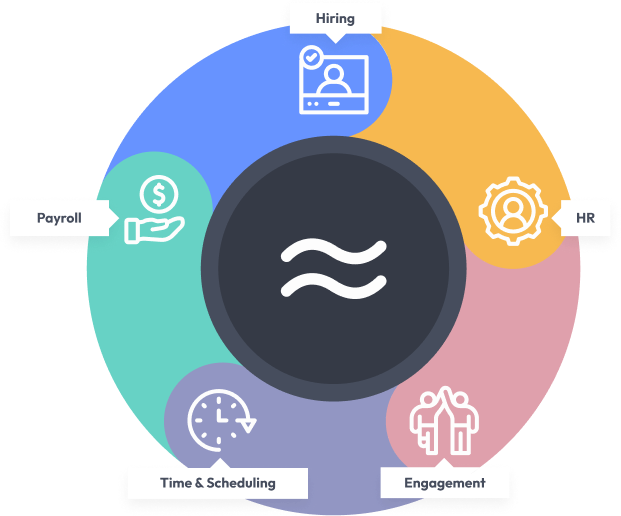

Hiring
Hire better quality workers, faster

HR
Streamline people processes and ensure employee records are always accurate

Engagement
Reduce turnover and increase worker engagement

Time & Scheduling
Manage schedules and hours worked to optimize your labor costs

Payroll
Pay your team quickly, easily, and accurately
resources
Become a hiring and onboarding expert.


Be smart with your hourly workforce
