



How to Hire Procurement Officers for Restaurants: Step-by-Step Guide to Find Top Talent
Discover proven steps to hire procurement officers for restaurants, streamline your sourcing process, and ensure efficient inventory management with our comprehensive hiring guide.

How to Hire Procurement Officers: A Practical Guide for Small Business Owners
Ask any seasoned restaurant owner or franchisee—finding the right procurement staff can feel a little like searching for a needle in a haystack. Yet, with supply chain hiccups and cost pressures, hiring the right purchasing agents and sourcing specialists is more crucial than ever. So, how do you recruit procurement officers who’ll keep your shelves stocked, your costs down, and your business running smoothly? Let’s break it down, with a few digressions and a dash of real-world wisdom.
What Does a Procurement Officer Really Do?
Before you start your search, it’s worth pausing to ask: what exactly are you looking for? Procurement officers aren’t just glorified shoppers—they’re strategic partners who help you manage costs, ensure compliance, and build strong supplier relationships. The best ones are part negotiator, part analyst, and part relationship-builder. If you ask me, it’s a role that’s sometimes underestimated, especially in smaller businesses.
- They negotiate contracts and pricing with vendors.
- They manage inventory and monitor supply levels.
- They ensure compliance with company policies and legal requirements.
- They analyze market trends and supplier performance.
For a deeper dive into what makes an effective procurement team, check out this resource on talent optimization. And if you’re wondering about the cost of hiring the wrong person, here’s a sobering look at the true cost of bad hires.
Building a Strong Procurement Team: Where to Start?
Define the Role and Must-Have Skills
Let’s be honest—job descriptions can be a snooze. But for procurement roles, clarity is key. Start by outlining the core responsibilities and the skills you can’t live without. Do you need someone who can handle high-volume food orders, or is tech-savvy enough to manage digital supplier platforms? For tips on writing effective job descriptions, see these best practices.
Recruiting: Cast a Wide Net, but Stay Focused
Finding top procurement talent isn’t just about posting on job boards. Consider leveraging digital recruiting strategies and tapping into your network. Social media can work wonders—just ask the restaurant owners who’ve filled key roles through Facebook groups or even Instagram. If you’re new to using social media for hiring, here’s a guide to hiring on Instagram.
- Use clear, compelling job ads (see creative recruitment ad examples).
- Highlight growth opportunities and benefits—these matter more than you might think (see DoorDash’s report on benefits and retention).
- Consider skills assessments to ensure candidates can walk the talk (request a demo of eSkill’s assessment platform).
Screening and Interviewing: Go Beyond the Resume
Procurement is about relationships and results. So, during interviews, ask about real-world scenarios—how would they handle a sudden supplier shortage? What’s their approach to negotiating under pressure? For more on effective interview techniques, check out these motivational interviewing tips and questions for assessing cultural fit.
Onboarding and Retaining Your Procurement Staff
Set Them Up for Success from Day One
Onboarding isn’t just paperwork—it’s your chance to set expectations and build loyalty. A streamlined onboarding process can reduce confusion and help new hires hit the ground running. For a step-by-step onboarding template, see these onboarding templates.
And don’t forget about compliance—keeping accurate records is a must (see DOL’s recordkeeping requirements), especially when procurement officers are handling sensitive contracts and vendor data.
Keep Procurement Officers Engaged
Retention is a hot topic these days, and for good reason. High turnover in procurement can disrupt operations and drive up costs. If you’re seeing too much churn, you’re not alone—restaurant turnover rates are notoriously high. The good news? Investing in employee engagement pays off (Gallup’s research on engagement and performance).
- Offer ongoing training and development (effective training techniques here).
- Recognize achievements—sometimes a simple “thank you” goes a long way (see why gratitude matters).
- Promote work-life balance and flexibility (see the impact of flexibility on engagement).
And if you’re struggling to keep your team motivated, here’s a classic resource on bringing out the best in people.
Leveraging Technology: Why Modern Tools Matter
Let’s be real—juggling spreadsheets and emails is a recipe for mistakes. Modern HR and procurement platforms can save you hours each week, reduce errors, and help you stay compliant. Workstream’s all-in-one HR and payroll platform is designed for hourly businesses, but its mobile-first approach and automation features make it a smart choice for any small business looking to streamline procurement hiring and management.
Want to see how technology can give your team more control? Here’s how Gap used tech to empower their employees. And if you’re curious about how other big brands handle procurement and staffing, check out Five Guys’ growth story and why McDonald’s is so profitable.
Common Pitfalls and How to Avoid Them
Even the best-laid hiring plans can go sideways. Here are a few traps to watch for:
- Rushing the process—don’t hire out of desperation. Take the time to vet candidates properly (why turnover happens and how to prevent it).
- Neglecting onboarding—skipping this step leads to confusion and early exits (onboarding tips here).
- Ignoring cultural fit—skills matter, but so does attitude (read about the link between job satisfaction and turnover).
Final Thoughts: Make Procurement Hiring Work for You
Hiring procurement officers isn’t just about filling a seat—it’s about building a team that can help your business thrive, even when the supply chain gets bumpy. With a clear process, the right tools, and a little patience, you’ll find the right fit. And hey, if you’re looking to save time, cut costs, and keep your team connected, Workstream’s integrated platform is worth a look. After all, why juggle seven tools when you can replace them with one?
Further Reading from Workstream
- Discover must-know hiring statistics to inform your HR strategy.
- Explore tips for highlighting benefits in job descriptions.
- Learn about traits of committed employees for better retention.
- Find out how to make your job postings stand out and attract top talent.
- Check out our full guide to being an HRIS analyst for insights on HR tech roles.
.svg)


All your important HR tasks under one roof
Today’s business owners and HR teams are overwhelmed with administrative tasks: manual processes and exports, duplicative data entry, and siloed information. Workstream centralizes and simplifies people tasks so you can move fast, reduce labor costs, and simplify operations—all in one place.
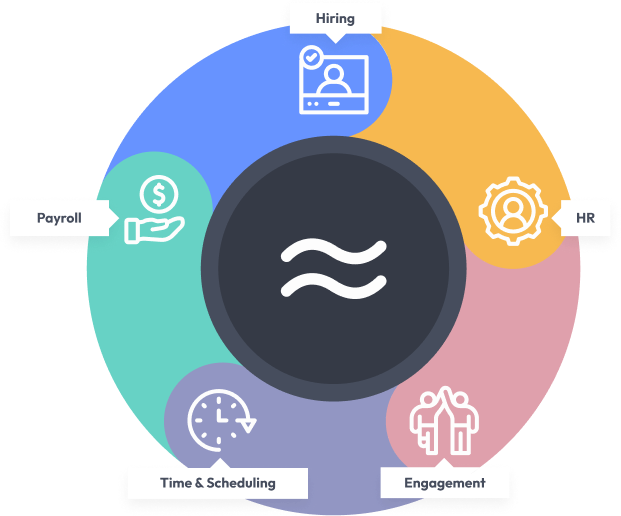

Hiring
Hire better quality workers, faster

HR
Streamline people processes and ensure employee records are always accurate

Engagement
Reduce turnover and increase worker engagement

Time & Scheduling
Manage schedules and hours worked to optimize your labor costs

Payroll
Pay your team quickly, easily, and accurately
resources
Become a hiring and onboarding expert.

Be smart with your hourly workforce
