



How to Hire Retail Store Managers: Step-by-Step Strategies to Build a Strong Retail Team
Discover proven strategies to hire retail store managers efficiently, attract top talent, and streamline your recruitment process for retail success.

How to Hire Retail Store Managers: Your Guide to Building a Strong Leadership Team
Ever tried to hire retail store managers and felt like you were searching for a needle in a haystack? You’re not alone. Whether you run a single boutique or a multi-location franchise, finding the right person to run your store can feel like a high-stakes puzzle. The truth is, a great manager can make or break your business—boosting morale, driving sales, and keeping your team humming along. So, how do you find, recruit, and keep the best talent? Let’s break it down, with a few detours into what really matters for retail management in 2024.
Why the Right Store Manager Is Your Secret Weapon
Let’s be real—retail is tough. Long hours, high turnover, and ever-changing customer expectations. But with a strong leader at the helm, things just run smoother. According to industry research, high employee turnover is a persistent pain point, costing you time and money. The right manager can cut that turnover in half, saving you thousands every year and keeping your team engaged.
But what exactly makes a great retail manager? It’s a blend of people skills, operational know-how, and a knack for motivating others. If you ask me, it’s a bit like finding a quarterback who can also coach the team and run the concession stand. Not easy, but absolutely worth the effort.
Key Qualities to Look For
- Leadership: Can they inspire and guide a team, even on a hectic Saturday?
- Operational savvy: Do they understand inventory, scheduling, and compliance?
- Customer focus: Will they go the extra mile to keep shoppers happy?
- Adaptability: Retail is unpredictable—can they roll with the punches?
For more on what makes a standout manager, check out these seven qualities of a great general manager.
Where to Find Store Managers Who Actually Stick Around
Let’s talk sourcing. You can’t just post a job on Craigslist and hope for the best (though, if you do, here are some Craigslist job posting tips). To find store managers who are a good fit, you’ll want to cast a wide net and use a mix of modern tools and old-school networking.
Modern Recruiting Channels
- Online job boards like Monster and Indeed (with tips on using Indeed for hourly hiring)
- Social media platforms—yes, even Instagram can help you hire hourly workers
- Employee referral programs—often overlooked, but incredibly effective (here’s how to design one)
- Industry-specific platforms—don’t forget about retail and hospitality networks
And if you’re feeling stuck, check out these proactive candidate sourcing tips for more inspiration.
Recruitment Marketing: Standing Out in a Crowded Market
Let’s face it, everyone’s looking for good managers. To recruit retail managers effectively, your job ad needs to shine. Highlight growth opportunities, benefits, and your company culture. Need ideas? Here are some creative recruitment ad examples and tips to make your job posting stand out.
Don’t forget to call out perks and flexibility—benefits are a huge draw, especially in retail. For proof, see the impact of benefits on recruitment and retention in the industry.
The Interview: Separating the “Managers” from the Leaders
Alright, you’ve got a stack of resumes. Now what? The interview process is your chance to spot the real deal. Go beyond the basics—ask about real-life scenarios, team conflicts, and how they’ve handled tough customers. If you’re looking for inspiration, these motivational interviewing techniques and cultural fit interview questions can help you dig deeper.
And honestly, don’t underestimate the power of a good story. Ask candidates to share a time they turned around a struggling team or handled a last-minute crisis. Their answers will tell you more than any resume ever could.
Assessment Tools and References
- Consider using behavioral assessments—here’s a tool for pre-employment testing
- Always check references, but ask pointed questions about leadership and reliability
Onboarding and Retaining Your New Store Manager
So you’ve made the hire—congrats! But your job isn’t done. A smooth onboarding process can make all the difference. According to recent onboarding statistics, structured onboarding leads to higher retention and faster productivity. If you want to turn new hires into long-term leaders, check out these onboarding templates and tips for getting onboarding right.
And let’s not forget engagement. Managers who feel supported and connected are less likely to jump ship. Take a look at these strategies for improving engagement and retention and why work-life balance matters more than ever.
If you’re worried about turnover (who isn’t?), here’s a breakdown of employee turnover costs and how to fix high turnover in retail. Spoiler: investing in the right tools and support pays off.
Compliance and Recordkeeping
- Keep accurate records—check the Department of Labor’s recordkeeping guidelines
- Stay up-to-date on wage and hour laws, especially for hourly managers
And if you want to make compliance and payroll a breeze, consider an all-in-one platform like Workstream. It’s designed for hourly businesses, automating everything from hiring to payroll and scheduling. That means less time on paperwork, more time building a great team.
Common Pitfalls (and How to Avoid Them)
Even seasoned owners make mistakes. Maybe you rush the process and hire the first person who walks in the door, or you forget to check references. Sometimes, you just get a “bad fit”—it happens. Here are a few common traps:
- Ignoring culture fit—skills matter, but attitude is everything (see how organizational culture impacts turnover)
- Skipping onboarding—don’t assume managers will “figure it out”
- Neglecting ongoing training—retail is always evolving; your managers should too (training tips here)
Want more advice? Here are tips for creating a great employee handbook and ways to tackle turnover in hospitality.
Conclusion: Build Your Dream Team, One Manager at a Time
Hiring the right retail store manager isn’t just about filling a position—it’s about investing in your business’s future. From sourcing and interviewing to onboarding and retention, every step matters. And while there’s no magic formula, using the right tools and strategies can make the process a whole lot easier (and maybe even a little fun).
If you’re ready to streamline your hiring process and keep your best people, Workstream’s hiring automation and integrated HR platform are worth a look. After all, why juggle seven different tools when you can manage everything from one spot? For more on how to hire store supervisors and build a winning team, check out these resources:
.svg)


All your important HR tasks under one roof
Today’s business owners and HR teams are overwhelmed with administrative tasks: manual processes and exports, duplicative data entry, and siloed information. Workstream centralizes and simplifies people tasks so you can move fast, reduce labor costs, and simplify operations—all in one place.
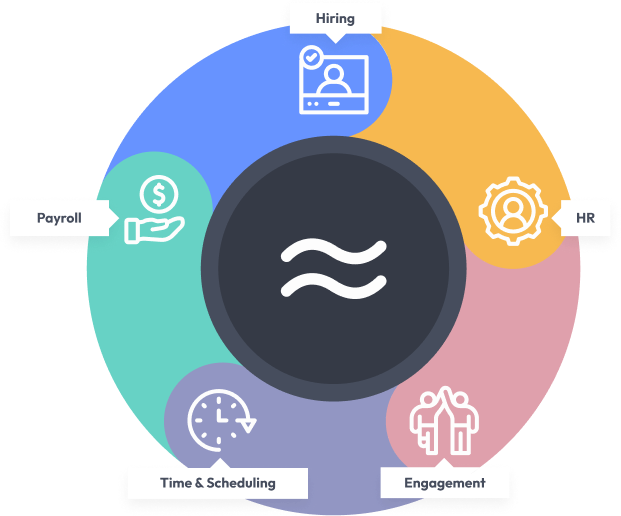

Hiring
Hire better quality workers, faster

HR
Streamline people processes and ensure employee records are always accurate

Engagement
Reduce turnover and increase worker engagement

Time & Scheduling
Manage schedules and hours worked to optimize your labor costs

Payroll
Pay your team quickly, easily, and accurately
resources
Become a hiring and onboarding expert.

Be smart with your hourly workforce
