



How to Hire Warehouse Operations Assistants: Step-by-Step Guide for Small Businesses
Learn the best strategies to hire warehouse operations assistants efficiently. Discover step-by-step tips to attract, evaluate, and onboard top warehouse talent for your business.

How to Hire Warehouse Operations Assistants: A Practical Guide for Small Business Owners
If you’ve ever tried to hire warehouse operations assistants during peak season, you know it can feel a bit like herding cats—everyone’s in a rush, the stakes are high, and the right team can make or break your business. Let’s break down what really matters when building a reliable warehouse operations team, from recruitment to retention, with a few detours into what actually works (and what just sounds good on paper).
Finding the Right Warehouse Operations Assistants: Where Do You Start?
Understanding Warehouse Staff Recruitment
First things first—successful warehouse staff recruitment is about more than just posting a job and hoping for the best. The competition for dependable hourly workers is fierce, especially when you’re up against big-box retailers or e-commerce giants. So, what’s the secret sauce?
- Write clear, honest job descriptions. For inspiration, check out these tips on effective handbooks—they apply to warehouses too.
- Highlight benefits and flexibility. According to DoorDash research, benefits can be a game-changer for recruitment and retention, even in hourly roles.
- Use digital tools to streamline hiring. Platforms like Workstream make it easier to automate applications, screening, and interview scheduling—saving you hours each week.
And don’t forget about mobile-first solutions. Most warehouse candidates are on their phones, not laptops. If your application process isn’t mobile-friendly, you’re probably missing out on great talent.
Recruit Warehouse Operations Assistant: Screening and Interviewing
Once the resumes start rolling in, how do you separate the diamonds from the rough? Automated screening tools, like those highlighted in pre-employment assessment platforms, can help you quickly identify candidates with the right skills. For interviews, try using structured methods like STAR to keep things fair and focused.
And here’s a tip: Don’t just look for experience. Attitude and reliability often matter more in warehouse roles. As this HBR article points out, hiring for attitude and training for skill can drastically reduce turnover rates.
Building a Strong Warehouse Operations Team: Beyond the Hire
Onboarding and Training: Setting Up for Success
Congratulations, you’ve made the hire! But onboarding is where the real work begins. A smooth onboarding process can cut training time and help new hires feel like part of the team from day one. For practical onboarding templates, check out these resources.
Effective onboarding isn’t just about paperwork. It’s about setting expectations, providing safety training, and making sure every new warehouse assistant knows exactly what’s expected. Engaging training sessions can boost comprehension and reduce stress for everyone involved.
Compliance and Recordkeeping: Don’t Skip the Boring Stuff
Let’s be honest, compliance isn’t anyone’s favorite topic—but skipping it can cost you big. The U.S. Department of Labor requires accurate recordkeeping for all nonexempt workers. That means tracking hours, wages, and keeping digital records handy. Modern HR platforms like Workstream help automate this process, reducing manual data entry and keeping you out of legal hot water.
And yes, compliance can save you money. Workstream customers report saving up to $25,000 a year on lawsuits and fees just by getting this right.
Retention: Keeping Your Warehouse Workers Happy (and On the Job)
Why Retention Matters in Warehouse Assistants Recruitment
High turnover isn’t just a headache—it’s expensive. Some studies show it can cost up to 200% of an employee’s annual salary to replace them (source). So, how do you keep your best warehouse workers around?
- Offer flexible scheduling. Giving workers more control over their shifts—like Gap did—can reduce turnover and boost morale.
- Recognize good work. Simple shout-outs or small rewards can go a long way. For more on building a positive culture, check this study on job satisfaction.
- Invest in engagement tools. Communication platforms, like those described by Axonify, keep everyone in the loop and reduce no-shows.
Honestly, sometimes it’s the little things—like a free lunch or a flexible shift—that make people stick around. And if you’re still losing folks, it might be time to look at your management style or pay structure. For a comparison of hourly wages, check out these insights.
Common Pitfalls in Warehouse Assistants Recruitment
Let me explain—many businesses fall into the trap of rushing the hiring process or neglecting onboarding. This leads to higher turnover and, frankly, more headaches down the line. Avoid these pitfalls by:
- Setting clear expectations from day one.
- Providing regular feedback and opportunities for advancement.
- Using technology to simplify scheduling, payroll, and communication.
For a deeper dive into what causes high turnover and how to fix it, check out this guide and this Michelin article (trust me, the lessons apply to warehouses too!).
Modern Tools That Make Warehouse Hiring Easier
Why Technology (and Workstream) Changes the Game
If you ask me, trying to manage warehouse hiring and retention with spreadsheets and sticky notes is a recipe for burnout. Modern HR platforms, like Workstream, let you automate repetitive tasks, keep all your records in one place, and even send text reminders to candidates and staff. That means less time on admin, more time building a team that actually sticks around.
Workstream’s mobile-first approach is especially handy for warehouse environments, where managers and workers are rarely at a desk. With features like easy shift scheduling, automated onboarding, and integrated payroll, you can cut your HR tool costs in half and focus on what really matters—keeping your warehouse running smoothly.
And hey, if you’re curious about how other businesses are using these tools, see how a Dunkin' franchisee improved hiring with Workstream.
Conclusion: Building a Warehouse Team That Lasts
Hiring warehouse operations assistants doesn’t have to be a headache. With a clear process, the right tech, and a focus on people—not just paperwork—you can build a warehouse operations team that’s reliable, engaged, and ready for anything. Remember, it’s not just about filling roles. It’s about creating an environment where people want to stay, grow, and do their best work.
For more practical tips and stories from the field, check out these resources:
.svg)


All your important HR tasks under one roof
Today’s business owners and HR teams are overwhelmed with administrative tasks: manual processes and exports, duplicative data entry, and siloed information. Workstream centralizes and simplifies people tasks so you can move fast, reduce labor costs, and simplify operations—all in one place.
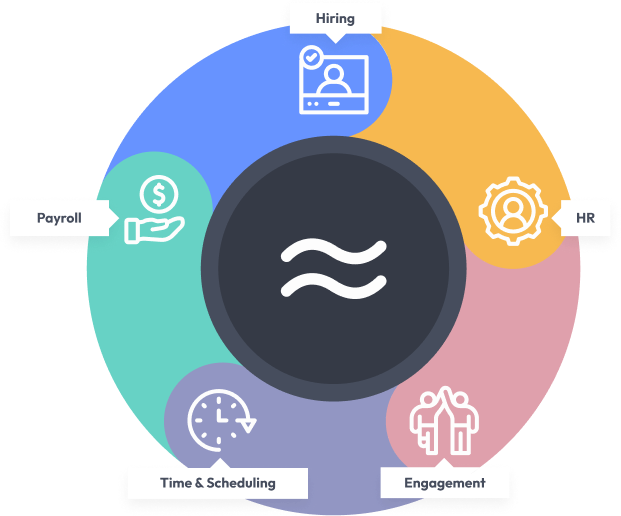

Hiring
Hire better quality workers, faster

HR
Streamline people processes and ensure employee records are always accurate

Engagement
Reduce turnover and increase worker engagement

Time & Scheduling
Manage schedules and hours worked to optimize your labor costs

Payroll
Pay your team quickly, easily, and accurately
resources
Become a hiring and onboarding expert.


Be smart with your hourly workforce
