



How to Hire Electricians: Step-by-Step Guide to Attract and Retain Top Electrical Talent
Discover the best strategies to hire electricians for your business. Learn effective tips to attract, evaluate, and retain skilled electricians for long-term success.

How to Hire Electricians: A Practical Guide for Small Businesses
If you ask any small business owner, especially those running restaurants, franchises, or retail shops, they'll tell you—finding and keeping great electricians is a bit like searching for a needle in a haystack. You need someone who’s not just skilled, but reliable, safe, and a good fit for your team. And let’s be real, in a world where labor shortages are the norm and compliance rules change faster than the weather, hiring the right electrical talent can feel downright daunting. So, how do you hire electricians who’ll stick around, deliver quality work, and help your business thrive?
Getting Started: Where to Find Qualified Electricians
Understanding the Landscape
Before you even post a job ad, it’s worth knowing that the demand for skilled tradespeople, especially electricians, is sky-high. According to the American Staffing Association, the staffing industry is booming, but competition for top talent is fierce. That means your approach to recruit electrical technicians needs to be both strategic and creative.
Effective Sourcing Channels
- Industry Job Boards: Posting your opening on specialized platforms can help you find qualified electricians who are actively seeking work.
- Employee Referrals: Tap into your current team’s networks. As SHRM notes in their employee referral program toolkit, referrals often lead to better hires and higher retention.
- Social Media: Platforms like Facebook and Instagram aren’t just for cat videos—many businesses are using them to hire hourly workers and skilled tradespeople.
- Local Trade Schools: Building relationships with training programs can give you early access to up-and-coming talent.
Honestly, sometimes the best candidates come from the most unexpected places. I’ve heard stories of business owners finding their next star electrician at a local hardware store or even through word-of-mouth at community events.
Screening and Interviewing: Electrician Hiring Tips That Work
What to Look For
When you hire skilled electricians, you’re not just looking for someone who can wire a panel or troubleshoot a breaker. You want someone who’s licensed, insured, and up-to-date on safety protocols. According to the U.S. Department of Labor, proper recordkeeping and verification of credentials are a must for compliance.
- Licensing and Certifications: Always verify state requirements. Some states have unique licensing rules—don’t skip this step.
- Experience: Ask about previous projects, especially those similar to your needs. For example, have they worked in restaurants, retail, or commercial settings?
- Soft Skills: Communication and reliability matter just as much as technical know-how. A great electrician is also a team player.
Interview Questions That Reveal More
It’s tempting to stick to the basics, but digging deeper pays off. Consider using behavioral interview techniques to understand how candidates handle real-world scenarios. For example, “Tell me about a time you had to troubleshoot a complex wiring issue under pressure.”
And don’t forget to assess cultural fit. A candidate who meshes well with your team is less likely to jump ship—a lesson echoed in this Michelin Guide article on turnover.
Onboarding and Compliance: Setting Up Electricians for Success
Streamlining the Process
Once you’ve made your pick, onboarding shouldn’t be an afterthought. A smooth onboarding process can reduce turnover and boost productivity. Tools like Workstream’s hiring automation can help you get new hires up to speed quickly, with digital document storage and automated reminders—saving you hours (and headaches).
For inspiration, check out these onboarding templates that ensure nothing falls through the cracks.
Legal Must-Knows
Let’s talk compliance for a second. You’re required to keep records of hours worked, wages paid, and employment eligibility. The Department of Labor spells out exactly what you need. And don’t forget OSHA standards for safety—cutting corners here can cost you big time.
Disclaimer: This article is for informational purposes only and should not be considered legal advice. Always consult with a qualified professional regarding compliance matters.
Retention: Keeping Your Best Electricians on the Team
Why Electricians Leave (and How to Prevent It)
High turnover is a budget-buster. According to notch.financial’s breakdown, replacing a skilled worker can cost thousands in lost productivity and training. The Harvard Business Review suggests that investing in training and a positive work environment pays off—big time.
- Offer Competitive Pay and Benefits: The DoorDash/Technomic report shows that benefits are a huge driver of retention.
- Provide Growth Opportunities: Electricians want to learn and advance. Consider offering ongoing training or leadership pathways.
- Keep Communication Open: Regular check-ins and feedback can make employees feel valued and heard. For more on this, see what makes employees happy.
And if you’re looking to cut turnover by half, as some Workstream clients have done, it’s worth exploring Workstream’s electrician hiring platform—it’s designed to help you hire, onboard, and retain top talent, all in one place.
Common Pitfalls to Avoid
- Rushing the hiring process—quality beats speed every time.
- Neglecting onboarding—first impressions matter more than you think.
- Forgetting compliance—penalties for missing records or misclassification can add up fast.
Honestly, it’s easy to get overwhelmed, but with the right systems in place, you’ll spend less time on paperwork and more time building a business you’re proud of.
Conclusion: Building a Reliable Electrical Team for the Long Haul
Hiring electricians isn’t just about filling a spot on your team—it’s about setting your business up for long-term success. By using smart sourcing strategies, thorough screening, and streamlined onboarding, you can hire skilled electricians who’ll help your business shine. And with platforms like Workstream, you can automate the heavy lifting, stay compliant, and focus on what matters most: growing your business and serving your customers.
Still have questions about how to hire electricians or want to see how technology can make your life easier? Check out these resources for more tips:
- Restaurant hiring: What you need to know
- Tips for highlighting benefits in job descriptions
- Creative tips to make your job posting stand out
- Traits of committed employees
- Best free job posting sites
Here’s to building a team that keeps the lights on—literally and figuratively!
.svg)


All your important HR tasks under one roof
Today’s business owners and HR teams are overwhelmed with administrative tasks: manual processes and exports, duplicative data entry, and siloed information. Workstream centralizes and simplifies people tasks so you can move fast, reduce labor costs, and simplify operations—all in one place.
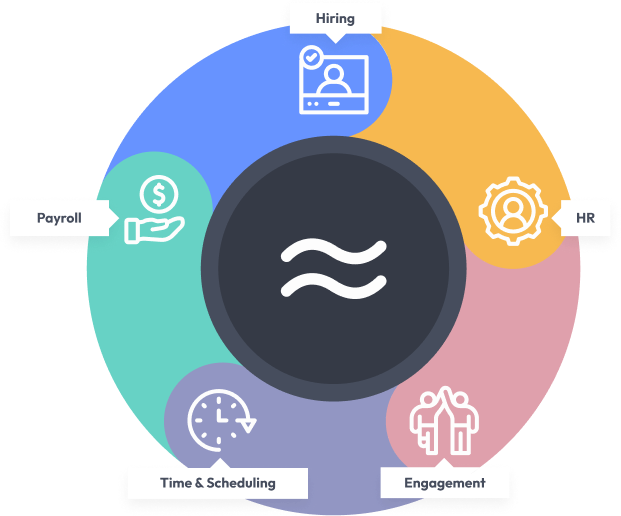

Hiring
Hire better quality workers, faster

HR
Streamline people processes and ensure employee records are always accurate

Engagement
Reduce turnover and increase worker engagement

Time & Scheduling
Manage schedules and hours worked to optimize your labor costs

Payroll
Pay your team quickly, easily, and accurately
resources
Become a hiring and onboarding expert.



Be smart with your hourly workforce
