



How to Hire Licensed Massage Therapists: Step-by-Step Guide for Small Businesses
Discover the best practices to hire licensed massage therapists for your business, from job posting tips to interview questions and compliance requirements.

How to Hire Licensed Massage Therapists: A Complete Guide for Small Businesses
If you run a spa, wellness center, or even a busy gym, you know that finding and keeping great massage therapists is like searching for a needle in a haystack—except the haystack keeps moving. The demand for skilled, licensed professionals is high, and turnover can be a real pain in the neck (pun intended). So, how do you hire licensed massage therapists who’ll stick around, keep clients happy, and help your business thrive? Let’s break it down, step by step, with a few digressions and real-world advice you won’t find in a dry HR manual.
Why Hiring Licensed Massage Therapists Matters
First things first: licensing isn’t just a box to check. It’s your shield against legal headaches and a badge of professionalism for your brand. Clients are savvier than ever—they’ll ask about credentials, and you can bet regulators will, too. Plus, hiring licensed talent helps you avoid compliance issues and, frankly, makes your insurance provider sleep better at night. If you ask me, it’s just good business sense.
The Real Cost of Getting It Wrong
Let’s get real for a second. Hiring the wrong person—or skipping the license check—can cost you big. According to industry research, losing and replacing an employee can cost thousands of dollars, not to mention the risk of fines or lawsuits if someone practices without proper credentials. That’s money better spent on better equipment, staff perks, or even a new espresso machine for the break room.
Licensing and Compliance: No Shortcuts
Every state has its own recordkeeping and compliance requirements for massage therapists. Make sure you’re up to date—otherwise, you could be facing more than just a slap on the wrist. If you’re not sure where to start, check out this guide on certifications—it’s food-focused, but the principles apply. And always verify licenses with your state board before making an offer.
Where to Find Licensed Massage Therapists
Okay, so you know you need licensed pros. But where do you actually find licensed massage therapists? Spoiler: it’s not just about posting on Craigslist and hoping for the best.
Modern Sourcing Strategies
- Job Boards: Sites like Indeed and specialized wellness job boards are a good starting point. For tips on writing a standout job post, check out these examples.
- Social Media: Don’t underestimate the power of Instagram or Facebook—many therapists showcase their work and connect with employers there. Here’s a quick primer on using Instagram for hiring.
- Referrals: Your current staff probably knows someone looking for work. Employee referral programs can be a goldmine—just ask the folks at SHRM.
Recruitment Tools and Automation
Honestly, if you’re still juggling spreadsheets and sticky notes, it’s time to upgrade. Platforms like Workstream let you automate the entire massage therapist recruitment process—from screening to scheduling interviews—with just a few clicks. This isn’t just a plug; it’s a real time-saver, especially when you’re managing multiple locations or a high volume of applicants.
Want to know how big brands streamline their hiring? Read how Dunkin’ franchisees improved their applicant experience with automation. Or, for a broader look, see how restaurant hiring software can be adapted for wellness businesses, too.
Screening and Interviewing: Beyond the Resume
Let’s face it: resumes only tell part of the story. You want someone with technical skills, sure, but also empathy, great communication, and a knack for building client loyalty. Here’s how to spot the real stars.
What to Look For
- Credentials: Always verify licenses and certifications. No exceptions.
- Soft Skills: Empathy, patience, and a calming presence are must-haves. For more on this, check out traits of committed employees.
- Experience: Ask about specific modalities, client types, and even how they handle difficult clients. It’s a good idea to use behavioral interview questions to get deeper insights.
Interview Tips and Techniques
Structured interviews are your friend. For a little inspiration, check out these motivational interviewing techniques and cultural fit questions. And don’t forget to test their hands-on skills—sometimes literally!—with a practical demonstration.
Onboarding and Retention: Keeping Your Talent Happy
So you’ve managed to recruit licensed masseuses who check all the boxes. Now comes the hard part: keeping them. High turnover is the bane of the wellness industry, but it doesn’t have to be your reality.
Effective Onboarding
First impressions count. A smooth onboarding process sets the tone for the entire employment relationship. Use digital onboarding tools like these templates to save time and reduce paperwork headaches. And yes, Workstream’s platform can help you get new hires up to speed in record time.
Retention Strategies That Work
- Competitive Pay and Benefits: According to this DoorDash report, benefits are a game-changer for hiring and retention—even in the wellness space.
- Flexible Scheduling: Therapists value work-life balance. Give them control over their shifts with smart scheduling tools. For inspiration, see how Gap’s employees gained more control over their schedules.
- Recognition and Growth: Celebrate milestones, offer continuing education, and show appreciation. Happy employees are more likely to stick around, as highlighted in this employee happiness survey.
And if you’re worried about turnover, you’re not alone. The restaurant industry faces similar challenges, but the solutions—like better onboarding, communication, and flexible scheduling—work across sectors.
Common Pitfalls (And How to Dodge Them)
Even seasoned owners make mistakes. Here’s what to watch out for:
- Skipping License Verification: Don’t rely on a resume alone—always check with your state board.
- Ignoring Fit: Technical skills matter, but so does cultural fit. Use these questions to dig deeper.
- Poor Onboarding: A rocky start can lead to quick exits. Streamline your process with digital onboarding templates.
- Neglecting Retention: Don’t wait until someone resigns to ask what they need. Regular check-ins and open communication are key, as shown in this Harvard Business Review article.
Bringing It All Together: The Workstream Advantage
Let’s be honest—hiring, onboarding, and retaining licensed massage therapists is a juggling act. But with the right tools, it doesn’t have to feel like a circus. Workstream’s hiring automation platform was built for businesses just like yours, helping you cut time-to-hire in half, reduce turnover, and save thousands each year on HR costs. That’s not just marketing fluff—it’s backed by real results from businesses across the country.
And if you’re curious about how technology is changing the game for hourly businesses, check out these resources:
- 10 Must-Know Statistics to Inform Your HR Strategy
- Tips for Highlighting Benefits in Job Descriptions
- How to Open a Chick-fil-A Franchise
- How to Hire Efficiently with Indeed
- Celebrating Employee Work Anniversaries
Final word: Hiring licensed massage therapists isn’t just about filling a slot on the schedule—it’s about building a team that keeps clients coming back and your business growing. With a little strategy, the right tech, and a dash of empathy, you’ll be well on your way.
.svg)


All your important HR tasks under one roof
Today’s business owners and HR teams are overwhelmed with administrative tasks: manual processes and exports, duplicative data entry, and siloed information. Workstream centralizes and simplifies people tasks so you can move fast, reduce labor costs, and simplify operations—all in one place.
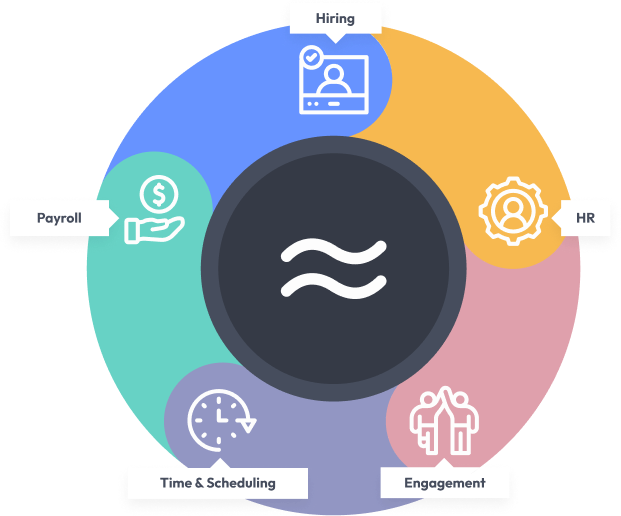

Hiring
Hire better quality workers, faster

HR
Streamline people processes and ensure employee records are always accurate

Engagement
Reduce turnover and increase worker engagement

Time & Scheduling
Manage schedules and hours worked to optimize your labor costs

Payroll
Pay your team quickly, easily, and accurately
resources
Become a hiring and onboarding expert.



Be smart with your hourly workforce
