



How to Hire Product Managers: Proven Steps to Find and Recruit Top Talent
Discover proven strategies and best practices to hire product managers efficiently and build a high-performing team for your restaurant business.

How to Hire Product Managers: A Practical Guide for Business Owners
Let’s be honest—figuring out how to hire product managers isn’t just another item on your to-do list. It’s the difference between a product that flops and one that flies off the shelves. Whether you’re running a fast-growing franchise, a local restaurant group, or a retail chain, the right product manager can transform your business. But how do you actually find and recruit product managers who’ll move the needle? Grab a cup of coffee, and let’s talk shop.
What Makes a Great Product Manager, Anyway?
Before you start posting job ads or calling recruiters, it’s worth asking: what makes a product manager stand out? Sure, you want someone who can juggle features, deadlines, and customer feedback—but there’s more to it. According to industry experts, top product managers blend technical know-how with people skills and a knack for seeing the big picture. They’re part strategist, part coach, and part firefighter (sometimes literally, if your kitchen’s as hectic as mine was last Friday night!).
Essential Skills to Look For
- Strong communication and collaboration abilities
- Experience with cross-functional teams
- Analytical mindset—data is their best friend
- Customer empathy (they should care about your guests as much as you do)
- Flexibility and resilience under pressure
For more on what makes a manager truly effective, check out these leadership insights.
Crafting a Job Description That Attracts the Best
Here’s the thing: if your job description reads like a grocery list, you’ll get applicants who treat your business like just another stop. Instead, focus on what makes your company unique, and don’t be afraid to show some personality. Highlight growth opportunities, team culture, and the impact they’ll have. And yes, salary transparency matters—a lot. According to recent research, most job seekers look at pay and benefits first.
Tips for Writing an Engaging Job Posting
- Start with a compelling headline—think “Lead the Next Big Thing”
- Describe your company’s mission and values
- List must-have skills, but keep it realistic
- Share what makes your workplace special (flexible hours, team lunches, etc.)
- Include a clear call to action—make it easy to apply
Need inspiration? These job posting examples are a great place to start.
Where to Find Product Management Talent
So, where do you actually find product management talent? Honestly, it’s a bit like fishing—you need the right bait and the right pond. LinkedIn is a no-brainer, but don’t overlook industry-specific job boards, local meetups, and even your own network. Employee referrals are gold. And if you’re feeling stuck, consider using hiring automation tools to broaden your reach and speed up the process.
Digital Recruiting Strategies
- Leverage social media—Instagram and Facebook aren’t just for cat videos. See how Instagram can help.
- Tap into niche communities—think product management Slack groups, or even podcasts like The HR Social Hour.
- Don’t ignore your website—make sure your careers page is up to date and mobile-friendly. Check out Workstream’s careers page for ideas.
For more creative ideas, explore these recruitment ads that stand out.
Screening and Interviewing: Separating the Wheat from the Chaff
Once you’ve got a stack of resumes, it’s time to separate the “meh” from the “must-hires.” Automated screening tools can save you hours—sometimes days—per hire. For hourly businesses, platforms like Workstream can cut your time-to-hire in half, and reduce interview no-shows by 55%. That’s not just a stat; it’s a lifesaver during busy season.
Interview Questions That Reveal True Leaders
- “Tell me about a time you had to balance competing priorities.”
- “How do you gather and act on customer feedback?”
- “What’s your approach to launching a new feature?”
- “Describe a project that didn’t go as planned—what did you learn?”
For more on structuring interviews, see these motivational interviewing techniques and cultural fit questions.
Onboarding and Retaining Your Product Leaders
Finding and hiring a great product manager is only half the battle. You want them to stick around, right? A strong onboarding process can make all the difference. According to recent onboarding statistics, well-structured onboarding boosts retention and engagement. And let’s be real—turnover is expensive. Some sources peg the cost of replacing a manager at up to 200% of their annual salary (Harvard Business Review).
Best Practices for Onboarding
- Start onboarding before day one—send digital paperwork and welcome messages
- Assign a mentor or “buddy” for the first month
- Set clear expectations and milestones
- Encourage feedback early and often
Check out these onboarding templates to streamline the process, or visit Forbes’ onboarding guide for more tips.
Compliance and Legal Considerations (Don’t Skip This!)
Here’s a quick reality check: compliance isn’t just red tape—it’s protection for your business. From wage records to anti-discrimination laws, you need to keep your house in order. The Department of Labor has clear guidelines on what records to keep. And if you’re hiring for a multi-state operation, make sure you’re up to speed on local laws. When in doubt, consult a legal pro. (Disclaimer: This article is for informational purposes only and does not constitute legal advice.)
Why Workstream Makes Product Manager Recruitment Easier
If you ask me, juggling scheduling, onboarding, and compliance on your own is like trying to flip pancakes with one hand tied behind your back. Workstream’s all-in-one HR and payroll platform is designed for businesses like yours—especially those with hourly teams and fast-moving needs. With mobile-first workflows, automated reminders, and centralized data, it’s easier to recruit product managers, keep them engaged, and ensure you’re always in compliance.
Want to see how other businesses are getting results? Read about how a Dunkin’ franchisee improved hiring or explore restaurant hiring tips that work for any industry.
Conclusion: Your Next Product Manager Is Out There—Go Find Them
Hiring the right product manager isn’t just about filling a seat. It’s about building a team that can take your business to the next level. Use clear job descriptions, tap into digital tools, and don’t underestimate the power of a warm welcome. And if you want to make the process smoother (and save yourself a few headaches), consider platforms like Workstream that are built for businesses like yours. Because, honestly, who couldn’t use a little extra help these days?
Further Reading & Resources
.svg)


All your important HR tasks under one roof
Today’s business owners and HR teams are overwhelmed with administrative tasks: manual processes and exports, duplicative data entry, and siloed information. Workstream centralizes and simplifies people tasks so you can move fast, reduce labor costs, and simplify operations—all in one place.
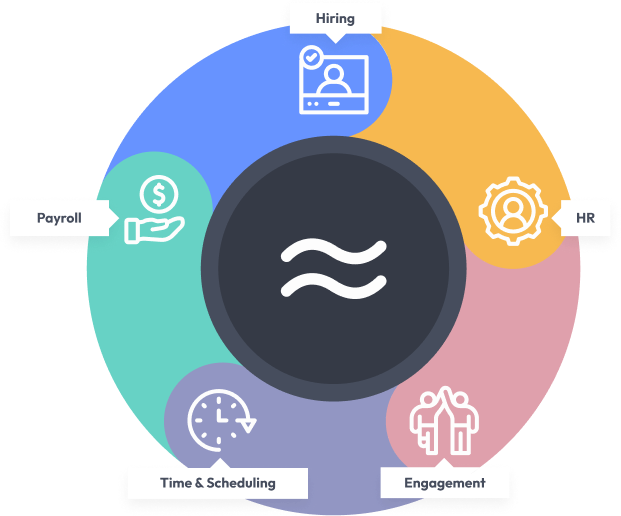

Hiring
Hire better quality workers, faster

HR
Streamline people processes and ensure employee records are always accurate

Engagement
Reduce turnover and increase worker engagement

Time & Scheduling
Manage schedules and hours worked to optimize your labor costs

Payroll
Pay your team quickly, easily, and accurately
resources
Become a hiring and onboarding expert.

Be smart with your hourly workforce
