



How to Hire Warehouse Managers: Step-by-Step Guide for Recruiting Top Talent
Discover proven strategies to hire warehouse managers efficiently. Learn step-by-step tips to attract, evaluate, and onboard top talent for your warehouse management team.

How to Hire Warehouse Managers: A Practical Guide for Small Businesses
If you’ve ever tried to hire warehouse managers for your business, you know it’s not as simple as posting a job ad and hoping for the best. The right manager keeps your operations humming, your team motivated, and your bottom line healthy. But what’s the secret sauce to finding and keeping the best warehouse leaders? Let’s roll up our sleeves and get into it.
Understanding the Warehouse Management Recruitment Challenge
Warehouse operations are the backbone of so many businesses—especially in retail, food service, and logistics. But recruiting and retaining strong warehouse supervisors is a real headache for many owners. Why? High turnover, tight labor markets, and the sheer complexity of the job all play a part. According to industry research on turnover, losing a key employee can cost thousands in lost productivity and retraining.
So, how can you recruit warehouse leaders who’ll stick around and drive results? It starts with knowing what you need—then building a process that attracts the right candidates and weeds out the rest.
What Makes a Great Warehouse Manager?
- Strong organizational skills (think Tetris, but with pallets and deadlines)
- Experience with inventory systems and scheduling tools
- Leadership chops—someone who can motivate a diverse team
- Clear communication and problem-solving abilities
- Adaptability, because let’s face it, things rarely go as planned
For more on what makes a manager shine, check out these top manager qualities.
Warehouse Staffing Strategies That Work
Let’s talk tactics. The best warehouse staffing strategies blend technology, smart screening, and a dash of good old-fashioned relationship-building. Here’s how to get it right.
Crafting the Right Job Description
Your job post is your first impression—make it count. Be clear about expectations, required skills, and growth opportunities. Highlight perks like flexible scheduling or instant pay access, which are huge draws for hourly workers. For inspiration, check out these job posting examples and tips for employee handbooks that keep things transparent from day one.
Screening and Interviewing Candidates
Don’t just rely on resumes. Use structured interviews and pre-employment assessments to spot red flags and hidden gems. Tools like eSkill’s pre-employment tests can help you assess real-world skills. And for interview tips, see the STAR method guide or motivational interviewing techniques.
Leveraging Technology for Smarter Hiring
Honestly, if you’re still juggling spreadsheets or paper applications, you’re working too hard. Platforms like Workstream automate everything from posting jobs to scheduling interviews and onboarding. That’s not just a time-saver—it’s a way to cut your tool costs in half and keep compliance tight, which can save you $25K a year in lawsuits and fees. And with AI-powered screening, you can save three hours per week per location on candidate reviews. Not bad, right?
Retaining Warehouse Supervisors: Beyond the Paycheck
So you’ve found your superstar—now how do you keep them? Retention is where many businesses stumble. According to Harvard Business Review’s research on hourly worker retention, engagement is everything. Warehouse leaders want to feel valued, challenged, and supported.
Offer Competitive Benefits and Flexibility
Perks aren’t just for Silicon Valley. Even small businesses can offer creative benefits—think flexible shifts, paid training, or instant pay access. DoorDash’s report on benefits shows how even modest perks can boost loyalty and performance. And if you’re curious about how leading brands do it, Starbucks’ benefits package is a masterclass in keeping hourly workers engaged.
Build a Positive Workplace Culture
Culture isn’t just a buzzword. A strong, supportive environment helps reduce turnover and keep your team invested. For practical advice, see this New York Times piece on company culture and research on job satisfaction and turnover.
Invest in Training and Development
Don’t let your managers stagnate. Offer ongoing training—whether it’s leadership workshops or cross-training in other departments. According to BLR’s guide to effective training, investing in your team pays off in higher productivity and lower turnover.
Common Pitfalls and How to Avoid Them
Even seasoned owners can trip up when it comes to warehouse management recruitment. Here are a few traps to watch for:
- Ignoring culture fit—skills matter, but attitude counts just as much (see these interview questions).
- Dragging out the hiring process—top candidates won’t wait around. Automate where you can and move fast.
- Neglecting onboarding—first impressions last. Use onboarding templates to make sure new hires feel welcome and prepared.
- Failing to track compliance—keep your wage and hour records straight with help from the Department of Labor’s recordkeeping guidelines.
And if you’re curious how the best in the business handle these challenges, see how one fast-food chain keeps turnover low or explore the real cost of turnover in restaurants (spoiler: it’s higher than you think).
Why Workstream Makes Warehouse Hiring Easier
Let me explain—Workstream isn’t just another HR tool. It’s built specifically for hourly businesses, with mobile-first features that make it a breeze to hire warehouse supervisors and keep your team running smoothly. From automated interview scheduling to digital onboarding, everything is designed to save you time, reduce errors, and cut labor costs. And with integrated compliance tools, you can rest easy knowing you’re covered on the legal front.
Curious how Workstream stacks up? You can learn more about hiring automation or see how Dunkin’ franchisees improved their hiring process with Workstream’s platform.
Conclusion: Building a Strong Warehouse Team for the Long Haul
Hiring warehouse managers isn’t just about filling a seat—it’s about finding leaders who’ll help your business grow, adapt, and thrive. With the right strategies, a little tech savvy, and a focus on culture and retention, you can build a team that sticks around and delivers results. And honestly, isn’t that what every business owner wants?
If you’re ready to take the next step, explore more tips on streamlining your hiring process, check out how to highlight benefits in job descriptions, or see the key traits of top-performing managers. And if you want to see the full suite of tools designed for businesses like yours, visit Workstream’s platform overview.
Related resources from Workstream:
.svg)


All your important HR tasks under one roof
Today’s business owners and HR teams are overwhelmed with administrative tasks: manual processes and exports, duplicative data entry, and siloed information. Workstream centralizes and simplifies people tasks so you can move fast, reduce labor costs, and simplify operations—all in one place.
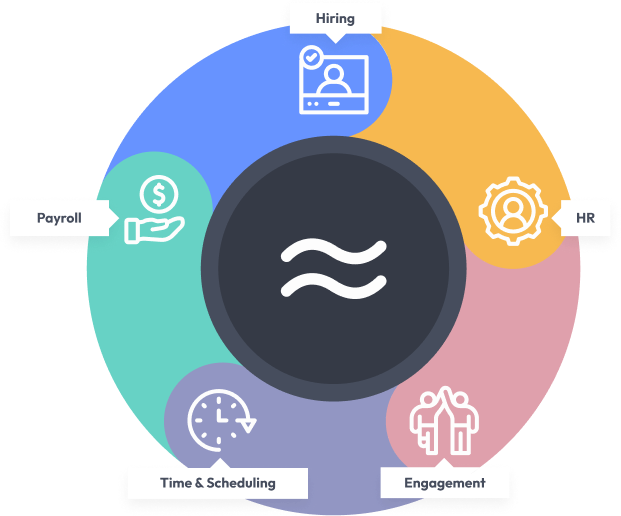

Hiring
Hire better quality workers, faster

HR
Streamline people processes and ensure employee records are always accurate

Engagement
Reduce turnover and increase worker engagement

Time & Scheduling
Manage schedules and hours worked to optimize your labor costs

Payroll
Pay your team quickly, easily, and accurately
resources
Become a hiring and onboarding expert.


Be smart with your hourly workforce
