



How to Hire Sales Associates: Step-by-Step Guide for Small Business Owners
Learn how to hire sales associates effectively with our expert tips. Discover best practices for small businesses to attract, evaluate, and onboard top sales talent.

How to Hire Sales Associates: A Practical Guide for Small Business Owners
If you ask any small business owner, especially in retail, what keeps them up at night, chances are “how to hire sales associates” is right up there with inventory headaches and surprise health inspections. Finding the right people isn’t just about filling a schedule—it’s about building a team that drives your business forward, keeps your customers coming back, and, honestly, lets you sleep a little easier. Let’s walk through how you can find retail associates who fit your brand, recruit retail staff efficiently, and set yourself up for long-term success. Grab your coffee, and let’s get into it.
Why Hiring Sales Associates Is Tougher Than It Looks
Retail is a people business, and your sales associates are the face of your brand. But if you’ve ever tried to employ sales associates during a labor shortage, you know it’s not as simple as posting a “Help Wanted” sign in the window. High turnover, competition from other stores, and shifting expectations (thanks, Gen Z!) all play a role. According to industry research, turnover rates in retail and hospitality can be staggering—sometimes over 70% annually. That’s a lot of resumes to sift through and a lot of time spent training new faces.
And let’s be real: losing a good associate isn’t just a headache—it’s expensive. Studies show turnover can cost thousands per employee, once you factor in lost sales, training, and recruitment. So, what’s a business owner to do?
Understanding What Makes Sales Associates Stick Around
Before you start posting job ads, it pays to understand why people leave (or stay). According to Harver’s analysis, reasons range from poor management to lack of growth opportunities. If you want to recruit retail staff who stick around, focus on:
- Offering meaningful benefits—even part-time perks can make a difference
- Building a positive workplace culture
- Clear communication and expectations
- Opportunities for training and advancement
Building a Smart Sales Associate Recruitment Process
Write Job Descriptions That Attract the Right People
Your job ad is your first impression. Don’t just list duties—show what makes your business special. For inspiration, check out these job posting examples designed for hourly workers. Highlight growth opportunities, flexible scheduling, and any unique perks. And if you’re not sure what to include, this guide has some great tips for making your handbook—and your job ads—shine.
Use the Right Channels to Find Retail Associates
Gone are the days when Craigslist and a “Now Hiring” sign were enough. Today’s job seekers are on social media, job boards, and even Instagram. If you want to cast a wide net, consider these approaches:
- Post on major job boards and free job posting sites
- Leverage social media—learn how to use Instagram for hiring
- Ask current employees for referrals (sometimes, a little incentive goes a long way!)
- Try text-based recruiting platforms for faster responses, like Workstream’s hiring automation
Screen and Interview Like a Pro
Screening is where you separate the “maybes” from the “must-hires.” Automated screening tools can save you hours—Workstream users report saving up to three hours per week per location just on candidate screening. When it comes to interviews, ask questions that reveal attitude and fit, not just experience. For a handy list, check out these cultural fit interview questions and motivational interviewing techniques.
Onboarding and Retaining Your New Sales Associates
Streamline Onboarding for a Great First Impression
First impressions matter, and onboarding is your chance to set the tone. A clunky process can send new hires running, while a smooth, digital-first experience—like these onboarding templates—helps new associates hit the ground running. In fact, data shows that effective onboarding can improve retention by over 80% in the first year.
Keep Your Team Engaged and Motivated
Once your new hires are on the floor, the work isn’t over. Ongoing engagement is key. Regular communication, clear feedback, and recognition go a long way. For some inspiration, see how work anniversaries and simple gestures can boost morale. Plus, don’t forget about flexible scheduling—tools like 24-hour schedule templates can help keep everyone happy and reduce no-shows.
And if you’re worried about compliance or payroll headaches, platforms like Workstream can help you stay organized, pay your team accurately, and avoid costly mistakes. According to Modern Restaurant Management, reducing turnover and payroll errors can save your business thousands each year.
Common Pitfalls and How to Avoid Them
Don’t Underestimate the Cost of Turnover
It’s tempting to rush the hiring process when you’re short-staffed, but hiring the wrong person can cost you more in the long run. Harvard Business Review reports that turnover can cost up to 200% of an employee’s annual salary. Take the time to recruit retail staff who fit your culture and values.
Stay Compliant and Organized
Recordkeeping isn’t glamorous, but it’s non-negotiable. The Department of Labor requires accurate records for every employee. Digital HR platforms can make this painless—and help you avoid those “oops” moments when the auditor comes calling.
Don’t Forget to Sell Your Brand
Remember, you’re not just hiring—they’re choosing you, too. Show off what makes your business unique. Whether it’s your community involvement, flexible hours, or that legendary staff meal, make sure your job ad stands out. For more creative ideas, check out these tips for standout job postings.
Conclusion: Make Hiring Sales Associates Your Competitive Edge
At the end of the day (oops, scratch that—let’s say, when the dust settles), hiring sales associates isn’t just about filling shifts. It’s about building a team that reflects your values, keeps your customers coming back, and helps your business thrive. With the right tools—like Workstream’s all-in-one HR and payroll platform—you can cut your time-to-hire in half, reduce turnover, and focus on what really matters: growing your business and serving your community.
Ready to make your next hire your best one yet? Start by reviewing your process, embracing digital tools, and remembering that every great business is built one great associate at a time. And if you need more help, you know where to find us. Good luck out there!
Related Reading on Workstream
- Learn more about hiring automation for hourly businesses
- Explore onboarding templates for a smooth start
- Discover creative job posting tips
- See how free job posting sites can help you find talent
- Check out cultural fit interview questions to hire the right people
.svg)


All your important HR tasks under one roof
Today’s business owners and HR teams are overwhelmed with administrative tasks: manual processes and exports, duplicative data entry, and siloed information. Workstream centralizes and simplifies people tasks so you can move fast, reduce labor costs, and simplify operations—all in one place.
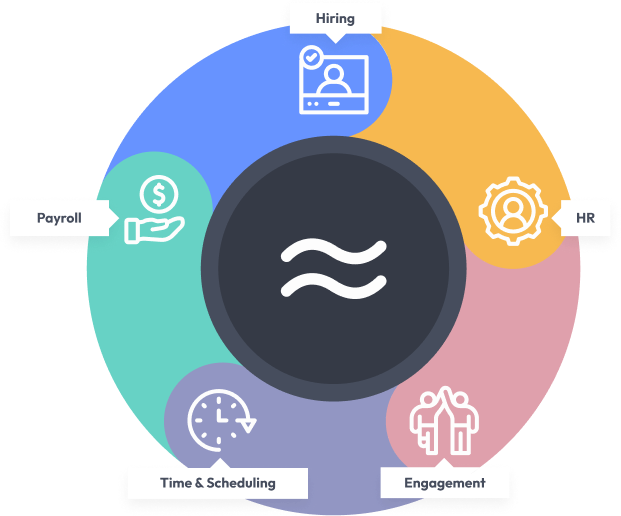

Hiring
Hire better quality workers, faster

HR
Streamline people processes and ensure employee records are always accurate

Engagement
Reduce turnover and increase worker engagement

Time & Scheduling
Manage schedules and hours worked to optimize your labor costs

Payroll
Pay your team quickly, easily, and accurately
resources
Become a hiring and onboarding expert.



Be smart with your hourly workforce
