



How to Hire Swim Instructors: Step-by-Step Guide to Find and Retain Top Aquatic Staff
Learn effective strategies to hire swim instructors, attract top talent, and streamline your recruitment process with this comprehensive step-by-step hiring guide.

How to Hire Swim Instructors: A Practical Guide for Aquatic Staff Hiring
Let’s be real for a second—finding and keeping great swim instructors can feel like trying to catch a minnow with your bare hands. You need folks who are not just strong swimmers, but also patient, safety-minded, and able to connect with kids (and sometimes nervous adults). If you’re running a swim school, community pool, or summer camp, the pressure’s on. But don’t sweat it—there’s a method to the madness of how to hire swim instructors that works, whether you’re a seasoned aquatic director or a small business owner dipping your toes in for the first time.
Why Swim Instructor Recruitment Matters More Than Ever
Before we get into the nuts and bolts, let’s talk about why swim instructor recruitment is such a hot topic. The demand for swim lessons is rising, especially as parents recognize the importance of water safety. But the pool of qualified candidates? It’s not exactly overflowing. High turnover and burnout are real threats—just ask anyone who’s spent a summer wrangling a pool full of kids.
And here’s the kicker: high turnover doesn’t just disrupt your schedule—it hits your bottom line. According to industry research, replacing an hourly worker can cost thousands in lost productivity and training. That’s money most small businesses can’t afford to waste.
So, what’s the secret sauce? It’s all about hiring right the first time, supporting your team, and using the right tools to make the process smoother. If you ask me, that’s where modern HR tech like Workstream’s hiring automation comes in handy—but more on that later.
Building a Winning Swim Teacher Hiring Process
Crafting the Perfect Job Description
First impressions count. Your job posting should be clear, engaging, and honest about what the role involves. Highlight required certifications (like Red Cross or YMCA), soft skills (patience, communication), and any perks you offer. Need inspiration? Check out these job posting examples tailored for hourly roles.
Don’t forget to call out benefits—yes, even for part-time or seasonal roles. According to DoorDash’s report on benefits and retention, even small perks can make your job stand out in a crowded field.
Where to Find the Best Candidates
- Local colleges and universities: Many students are certified lifeguards or swim instructors looking for flexible work.
- Community centers and swim clubs: Post flyers or partner with organizations already in the aquatic space.
- Online job boards: Sites like Indeed, Craigslist, and even Instagram can help you cast a wider net. Here’s a guide to using Indeed for hourly hiring and tips for hiring on Instagram.
- Referrals: Your current staff may know friends or classmates who are a perfect fit. Don’t be shy about asking!
Screening and Interviewing: Go Beyond the Resume
It’s tempting to hire the first person with a lifeguard cert and a smile, but slow down. Use motivational interviewing techniques to dig into their teaching style, reliability, and ability to handle emergencies. Ask scenario-based questions—“What would you do if a child panics in the water?”—to gauge their real-world judgment.
And hey, if you’re short on time (who isn’t?), automated screening tools like Workstream can help you filter applicants quickly, saving you hours each week.
Onboarding and Retaining Top Swim Instructors
Streamlined Onboarding Is a Game Changer
Once you’ve made your pick, don’t let paperwork slow you down. Digital onboarding—think onboarding templates and mobile document signing—lets new hires get in the water faster. Plus, it helps you stay compliant with recordkeeping requirements. (For the nitty-gritty, see the Department of Labor’s recordkeeping guide.)
Training and Certification: No Shortcuts Here
Even seasoned instructors need to brush up on policies, emergency procedures, and customer service. Consider pairing new hires with experienced staff for shadowing sessions. For more on effective training, check out these training techniques.
And don’t underestimate the value of a good employee handbook—it’s not just for restaurants! A clear, accessible manual sets expectations and reduces confusion down the line.
Keeping Your Team Happy (and Around for Next Season)
Retention is where most pools sink or swim. According to Harvard Business Review’s insights on hourly worker retention, engagement is key. That means regular feedback, flexible scheduling, and a little appreciation go a long way. If you’re struggling with no-shows or last-minute callouts, scheduling tools like 24-hour schedule templates can help keep everyone on track.
And if you want to see what works for big brands, check out how Walmart transformed its hourly workforce and why Starbucks’ benefits package is a winner for part-time staff.
Common Pitfalls and How to Avoid Them
- Rushing the process: Hiring in a panic leads to bad fits and higher turnover. Take a breath—it’s worth it.
- Ignoring soft skills: Technical ability matters, but so does empathy and communication. Don’t skip the “people” part.
- Neglecting compliance: Stay on top of certifications, background checks, and labor laws. Fines and lawsuits are no joke—Workstream’s platform can help you keep records straight and avoid costly mistakes.
- Forgetting about culture: A positive, inclusive culture keeps staff coming back year after year. For more on this, see the impact of organizational culture on retention.
Final Thoughts: Making Aquatic Staff Hiring Easier
Hiring swim instructors isn’t just about filling a schedule—it’s about building a team that keeps your swimmers safe, happy, and coming back for more lessons. The right recruitment and onboarding process can cut your turnover in half, save you thousands in training costs, and free up your time to focus on what matters—growing your business and serving your community.
If you’re tired of juggling a dozen spreadsheets and chasing down paperwork, consider an all-in-one solution like Workstream’s hiring automation. You’ll save time, reduce errors, and maybe even get to enjoy a little sunshine yourself. After all, isn’t that why you got into the pool business in the first place?
More Resources for Swim Teacher Recruitment
- The real cost of hourly turnover
- How to fix high turnover
- What makes hourly workers stay
- What makes employees happy
- How to keep turnover low
- Engagement and retention of young workers
- Benefits and recruitment
- Turnover in hospitality
- Employee turnover in restaurants
- Tips for calling out benefits in job descriptions
Internal Resources from Workstream
.svg)


All your important HR tasks under one roof
Today’s business owners and HR teams are overwhelmed with administrative tasks: manual processes and exports, duplicative data entry, and siloed information. Workstream centralizes and simplifies people tasks so you can move fast, reduce labor costs, and simplify operations—all in one place.
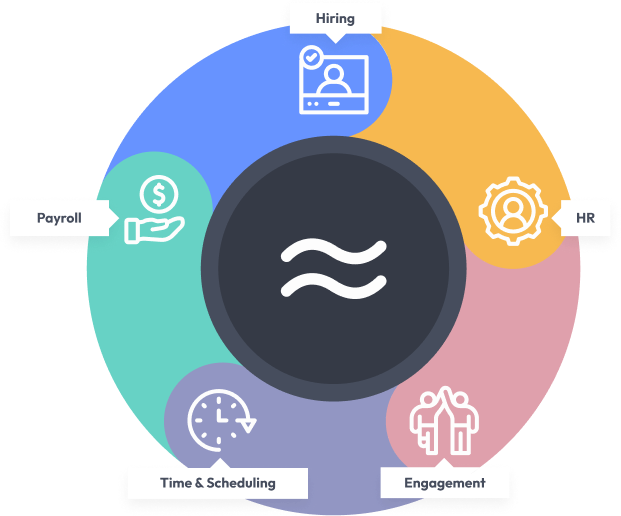

Hiring
Hire better quality workers, faster

HR
Streamline people processes and ensure employee records are always accurate

Engagement
Reduce turnover and increase worker engagement

Time & Scheduling
Manage schedules and hours worked to optimize your labor costs

Payroll
Pay your team quickly, easily, and accurately
resources
Become a hiring and onboarding expert.



Be smart with your hourly workforce
