



How to Hire Welders: Proven Strategies to Attract, Recruit, and Retain Top Welding Talent
Discover proven strategies to hire welders, streamline your recruitment process, and attract skilled professionals to build a strong team for your restaurant or business.

How to Hire Welders: A Practical Guide for Small Business Owners
Let’s be honest—finding and keeping great welders can feel like searching for a needle in a haystack, especially when you’re running a small business. The demand for skilled tradespeople is high, and the competition is fierce. But don’t worry, I’ve got your back. In this guide, we’ll walk through how to hire welders who’ll stick around, do great work, and help your business thrive. We’ll also touch on compliance, onboarding, and a few unexpected tips you might not have considered. Ready? Let’s get into it.
Why Hiring Welders Is Tougher Than It Looks
First, a quick reality check. The welding industry faces a serious talent shortage. According to the American Staffing Association, skilled trades—welders included—are among the hardest roles to fill. And when you finally hire skilled welders, turnover can be a killer. The restaurant industry knows this pain all too well, but the lesson applies: high turnover drains productivity, morale, and your wallet.
Why is it so hard to hire welders and keep them? Well, for starters, many experienced welders are retiring, and fewer young people are entering the trade. Plus, competition from larger companies can make it tough for small businesses to compete on salary and benefits. But here’s the thing—there are ways to stand out, even if you’re not the biggest fish in the pond.
The Real Cost of Turnover
Did you know losing a skilled tradesperson can cost you thousands? Notch Financial reports that the cost of replacing an employee can be as high as $5,864 per front-line worker. And that doesn’t even count the headaches and lost productivity. If you ask me, investing in better hiring and retention strategies is a no-brainer.
Building a Welder Recruitment Strategy That Works
Write Job Descriptions That Attract the Right Talent
Let’s start with the basics. Your job post is your first impression. Make it count. According to Sling, clear, concise, and honest job descriptions help set expectations and weed out the wrong candidates early. Highlight not just the skills you need, but also what makes your business a great place to work. Mention benefits, growth opportunities, and your commitment to safety—a big one for welders.
- Be specific about required certifications and experience
- List the types of welding (MIG, TIG, Stick, etc.) your shop uses
- Showcase your company culture and advancement opportunities
- Don’t forget to mention any unique perks—flexible schedules, overtime, or training programs
Need inspiration? Check out these job posting examples that really stand out.
Where to Find Skilled Welders
Posting on the usual job boards is fine, but the best candidates often come from referrals or trade schools. According to Monster, leveraging digital recruiting and tapping into local training programs can give you an edge. Don’t overlook platforms like Workstream’s welder hiring platform, which connects you directly with active job seekers.
- Partner with local vocational schools and apprenticeship programs
- Offer referral bonuses to current employees
- Use industry-specific job boards and social media groups
And if you’re looking for creative ways to stand out, these recruitment ad ideas might spark some inspiration.
Screening and Interviewing: Go Beyond the Resume
Resumes only tell part of the story. When you’re recruiting for technical roles, skills assessments and hands-on tests are essential. eSkill offers pre-employment assessments tailored to skilled trades, helping you weed out unqualified applicants before you waste time interviewing.
In interviews, focus on both technical ability and soft skills—reliability, teamwork, and communication matter just as much as welding certifications. Try these motivational interviewing techniques and cultural fit questions to get a fuller picture of your candidate.
Onboarding and Retaining Your Welding Team
Streamline Onboarding for a Great First Impression
Once you’ve made the hire, don’t drop the ball on onboarding. According to Backlinko’s onboarding statistics, a strong onboarding process can improve retention by up to 82%. Use digital tools to make paperwork painless—Workstream’s onboarding templates can help you get new hires up to speed quickly and efficiently.
And don’t forget compliance. The Department of Labor requires you to keep accurate records of hours and wages. Workstream’s platform automates much of this, so you can focus on training and team building instead of drowning in paperwork.
Keep Welders Engaged and Reduce Turnover
Here’s the million-dollar question: how do you keep welders happy and loyal? According to DoorDash and Technomic, offering benefits—even small ones—can make a big difference in recruitment and retention. Flexible scheduling, overtime opportunities, and a clear path for advancement are huge motivators.
Regular feedback and recognition go a long way, too. As Aubrey Daniels International points out, positive reinforcement is key to building a high-performing team. And if you’re not sure what your welders want, just ask! Open communication is a game-changer.
Welder Staffing Solutions: When to Call in the Pros
Sometimes, you need a little help from the outside. If you’re struggling to fill positions or need to ramp up quickly for a big project, welder staffing agencies can be a lifesaver. Just make sure you’re clear about your needs and expectations. For ongoing needs, platforms like Workstream offer welder staffing solutions that can help you fill roles fast and keep your workforce flexible.
Compliance, Safety, and Legal Considerations
Let’s not sugarcoat it: welding is dangerous work. Safety training isn’t just a box to check—it’s a must for legal compliance and employee well-being. The Fisher Phillips law firm has plenty of resources on workplace safety and labor laws. Make sure your onboarding process includes thorough safety training and regular refreshers.
And don’t forget about wage and hour laws. The DOL requires detailed recordkeeping, and non-compliance can cost you big time. Automated HR platforms like Workstream make it easy to stay compliant and avoid costly mistakes.
Disclaimer: This article is for informational purposes only and does not constitute legal advice. Always consult with a qualified attorney or HR professional for your specific situation.
Wrapping Up: Hire Welders with Confidence
Hiring welders isn’t easy, but it doesn’t have to be overwhelming. With the right strategy—clear job posts, targeted recruiting, thorough screening, and a smooth onboarding process—you can build a team of skilled, loyal welders who’ll help your business grow. And honestly, isn’t that what we’re all after?
If you’re ready to streamline your welding technician recruitment and reduce turnover, consider leveraging platforms like Workstream’s welder staffing solutions. Their mobile-first tools save time, cut costs, and help you focus on what matters most: building a strong, reliable team.
Related Resources on Workstream
- Learn more about hiring automation for skilled trades
- Explore traits of committed employees to look for in your next hire
- Check out onboarding templates for a seamless start
- Discover creative job posting tips to attract top welding talent
- Find out how Workstream helps you hire welders faster and smarter
.svg)


All your important HR tasks under one roof
Today’s business owners and HR teams are overwhelmed with administrative tasks: manual processes and exports, duplicative data entry, and siloed information. Workstream centralizes and simplifies people tasks so you can move fast, reduce labor costs, and simplify operations—all in one place.
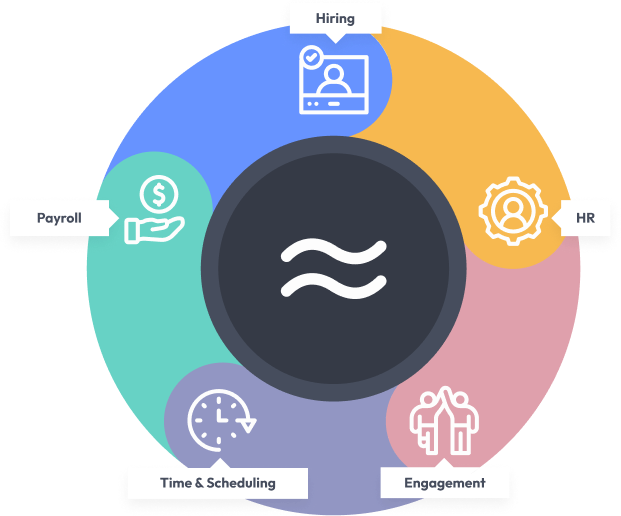

Hiring
Hire better quality workers, faster

HR
Streamline people processes and ensure employee records are always accurate

Engagement
Reduce turnover and increase worker engagement

Time & Scheduling
Manage schedules and hours worked to optimize your labor costs

Payroll
Pay your team quickly, easily, and accurately
resources
Become a hiring and onboarding expert.

Be smart with your hourly workforce
