



How to Hire Food Handlers: Step-by-Step Guide for Restaurants to Find and Keep Top Talent
Learn how to hire food handlers quickly and effectively for your restaurant with tips on recruitment, screening, and onboarding in this comprehensive hiring guide.

How to Hire Food Handlers: A Practical Guide for Restaurants and Food Service Businesses
If you’ve ever run a restaurant—or even just managed a busy kitchen during a Friday night rush—you know that finding and keeping great food handlers can feel like herding cats. The stakes are high: food safety, customer satisfaction, and your bottom line all ride on the quality of your staff. So, how do you hire food handlers who are reliable, skilled, and ready to roll up their sleeves? Let’s break it down, with a few real-world detours along the way.
Why Hiring the Right Food Handlers Matters
Honestly, the difference between a smooth shift and a disaster often comes down to your team. High turnover in the restaurant industry is notorious, and it’s not just an annoyance—it’s expensive. According to industry research, losing a single front-line food service employee can cost you thousands in recruiting, training, and lost productivity. That’s money most small businesses just can’t afford to waste.
But it’s not just about cost. The quality of your restaurant team members directly impacts food safety and customer experience. A single mistake in food handling can lead to health code violations, bad reviews, or worse—someone getting sick. If you ask me, that’s a nightmare scenario no owner wants to face.
Step-by-Step: How to Hire Food Handlers Who Stick Around
1. Get Your Job Posting Right
Let’s start with the basics. Your job post is your first handshake with potential food service employees. Make it count. Be clear about expectations, required certifications (like a food handler certificate), and what makes your workplace unique. For inspiration, check out these job posting examples and creative tips for standing out in a crowded market.
- Highlight pay and benefits—salary transparency attracts more applicants.
- Mention growth opportunities; people want to know there’s a path forward.
- Be upfront about scheduling, especially if you offer flexible or employee-driven shifts.
2. Use the Right Tools to Recruit Kitchen Workers
Gone are the days of paper applications and “Help Wanted” signs taped to the window. Today’s top restaurants use digital platforms to hire restaurant staff efficiently. Tools like Workstream’s hiring automation can cut your time-to-hire in half, reduce turnover, and keep all your applicant info in one place. If you’re still juggling emails and sticky notes, it might be time to upgrade.
Don’t forget about social media, either. Posting jobs on platforms like Instagram or Craigslist can help you reach younger or more tech-savvy candidates. And honestly, who isn’t on their phone these days?
3. Screen for Food Safety and Culture Fit
Certifications are non-negotiable. Make sure every candidate has—or is willing to get—a valid food handler certificate. But don’t stop there. Ask questions that reveal how they handle pressure, work with others, and respond to sticky situations. For some great interview ideas, check out these cultural fit interview questions and motivational interviewing techniques.
Remember, skills can be taught, but attitude is gold. Some of the best-performing chains hire for attitude first and train for skill. Food for thought, right?
4. Streamline Onboarding and Training
Even the best hire can flounder without a solid start. Streamline onboarding with digital checklists and automated reminders—onboarding templates can help you cover all the bases. Make sure new hires know your safety protocols, kitchen workflow, and where to find the mop (trust me, they’ll need it sooner than you think).
Consider pairing new food service staff with a seasoned team member for their first few shifts. Peer mentoring can speed up learning and help new folks feel like part of the family.
What to Watch Out For: Pitfalls and Compliance
Compliance Isn’t Optional
Food safety laws are strict, and for good reason. Make sure you’re following all recordkeeping requirements and labor laws. If you’re not sure, consult a legal pro or use a platform that bakes compliance into every step. The right system can help you track certifications and keep digital copies on file, just in case the health inspector comes knocking.
And don’t forget about scheduling rules. Overtime, break requirements, and fair workweek laws vary by state. Automated scheduling tools, like those offered by Workstream, can help you stay on the right side of the law—and avoid those pesky fines.
Retention: Keep the Good Ones
Finding great food handlers is hard enough. Keeping them? That’s the real magic. Offering competitive pay, benefits, and a positive work environment can make all the difference. According to DoorDash’s report, benefits play a huge role in retention in the restaurant industry. Don’t underestimate the power of a simple “thank you” or a flexible schedule.
Want to go deeper? Explore these resources on why hospitality turnover happens, the true cost of turnover, and what makes restaurant employees happy.
Tips for Building an All-Star Food Service Team
- Use structured interviews and behavioral questions to assess soft skills.
- Offer ongoing training—food safety standards evolve, and so should your team.
- Recognize and reward great work; even small gestures matter.
- Embrace technology to simplify scheduling, payroll, and communication. Digital scheduling solutions can reduce no-shows and last-minute callouts.
- Promote from within when possible; it shows your staff there’s room to grow.
Conclusion: Hiring Food Handlers Doesn’t Have to Be a Headache
Let’s be real: hiring in the restaurant world will never be totally stress-free. But with the right approach—and the right tools—you can hire food handlers who are skilled, dependable, and ready to help your business shine. Platforms like Workstream are making it easier than ever to recruit kitchen workers, streamline onboarding, and keep your team happy and compliant.
And if you ever feel overwhelmed, just remember: every great restaurant started with a single hire. Make yours count.
Want More Tips?
- Explore why food handler certification matters
- Check out job posting examples for hourly roles
- Learn about automating your hiring process for food service staff
- Find out how benefits in job descriptions can help attract top talent
- See how onboarding templates can set your new hires up for success
.svg)


All your important HR tasks under one roof
Today’s business owners and HR teams are overwhelmed with administrative tasks: manual processes and exports, duplicative data entry, and siloed information. Workstream centralizes and simplifies people tasks so you can move fast, reduce labor costs, and simplify operations—all in one place.
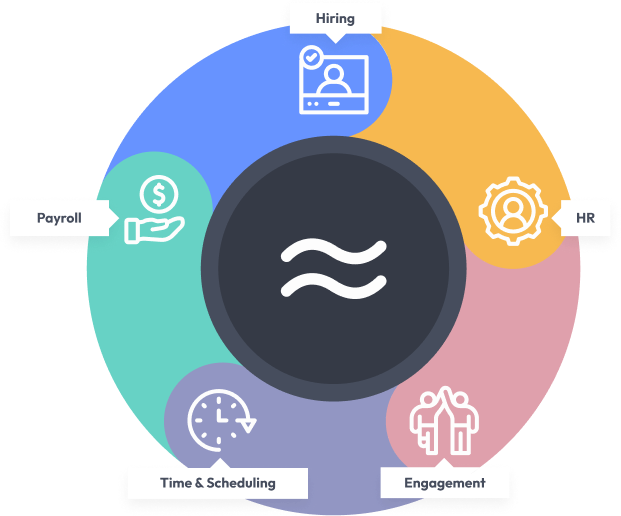

Hiring
Hire better quality workers, faster

HR
Streamline people processes and ensure employee records are always accurate

Engagement
Reduce turnover and increase worker engagement

Time & Scheduling
Manage schedules and hours worked to optimize your labor costs

Payroll
Pay your team quickly, easily, and accurately
resources
Become a hiring and onboarding expert.


Be smart with your hourly workforce
